Membrane Switches: Design, Types, Manufacturing, and Applications
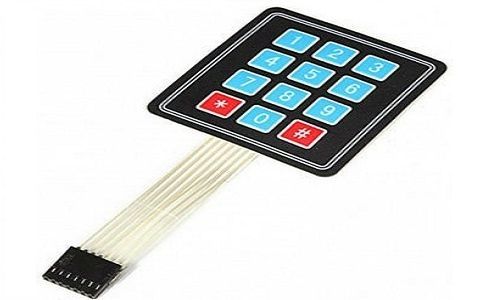
Membrane switches are thin, low-profile electrical switches used to control equipment through a flat or flexible interface.
Businesses researching membrane switch manufacturers, custom membrane switch manufacturers, and membrane switch suppliers often look for components that combine clear labeling, compact construction, and dependable operation. These switches are commonly found in industrial equipment, medical instruments, household appliances, and electronic control panels.
Unlike traditional mechanical switches with separate moving buttons, membrane switches typically use flexible layers and conductive circuits to register user input. Their design can accommodate different shapes, graphics, button arrangements, and operating requirements.
How Membrane Switches Work
Main Components and Construction
A membrane switch generally consists of several layers that work together to register an input. The exact structure depends on the application and the manufacturer's design.
Common components include:
Graphic overlay: The visible surface containing labels, symbols, and button markings.
Spacer layer: Separates conductive layers until a button is pressed.
Circuit layer: Contains conductive paths that transmit electrical signals.
Adhesive layers: Hold the assembly together and support installation.
Backing layer: Provides additional support when required by the design.
When a user presses a designated area, conductive elements make contact and complete an electrical circuit. The connected device then interprets the signal as an input, such as starting a process or changing a setting.
Common Membrane Switch Types
Different designs serve different operating environments and interface requirements.
Flat membrane switches: Use a smooth surface with printed button graphics.
Tactile membrane switches: Provide physical feedback when pressed.
Non-tactile membrane switches: Register input without a distinct mechanical click.
Sealed membrane switches: Incorporate protective construction to help limit the entry of dust or moisture.
Backlit membrane switches: Use lighting elements to improve visibility in dim environments.
The appropriate type depends on factors such as operating conditions, user preferences, cleaning requirements, and the electrical system.
Why Membrane Switch Design Matters
Customization and Material Selection
Custom membrane switch panels can be developed to match a device's layout, branding requirements, and operating functions. Designers may specify button positions, printed symbols, surface finishes, connector arrangements, and lighting features.
Material selection also affects performance. Polyester and polycarbonate are common overlay materials, while conductive inks and flexible circuit substrates support the electrical functions. The most suitable combination depends on the intended environment, expected usage, and compatibility with the equipment.
Industrial Applications
Industrial membrane switches are used where operators need accessible controls within a compact panel. Applications may include:
Manufacturing machinery and production equipment.
Laboratory and diagnostic instruments.
Food processing and packaging equipment.
HVAC control systems.
Instrumentation and monitoring devices.
Consumer electronics and household appliances.
Environmental exposure should be considered during the design stage. A switch intended for a clean indoor environment may require different protective features from one exposed to frequent cleaning, temperature changes, or outdoor conditions.
Choosing a Membrane Switch Manufacturer or Supplier
Evaluating Manufacturing Capabilities
When comparing membrane keypad manufacturers, it helps to review their experience with similar applications and their ability to support the required design. A suitable manufacturer should explain available materials, circuit configurations, printing methods, and assembly options.
Consider the following evaluation points:
Design support: Can the manufacturer review drawings, dimensions, and interface requirements?
Customization: Can it accommodate the required button layout, graphics, and connectors?
Environmental protection: Can it explain the protection available for the intended operating conditions?
Quality control: What inspection and electrical testing procedures are used?
Production flexibility: Can it support prototype development and the anticipated production quantity?
An OEM membrane switch manufacturer may also coordinate with the equipment producer to integrate the switch into a larger electronic assembly.
Comparing Manufacturing Options
Evaluation factor | What to review |
|---|---|
Materials | Overlay, adhesive, and circuit substrate |
Interface design | Button layout, labels, and tactile feedback |
Electrical design | Circuit configuration and connector compatibility |
Environmental needs | Dust, moisture, and temperature exposure |
Quality testing | Electrical continuity and functional inspection |
Production support | Prototypes, documentation, and repeat orders |
Membrane switch design and manufacturing usually involve collaboration between the equipment designer and the component producer. Clear specifications can help reduce design changes and improve compatibility during integration.
Manufacturing Quality and Testing
Inspection and Validation
Manufacturers may use visual inspections, electrical continuity checks, functional testing, and dimensional measurements to evaluate completed switches. Additional testing may be appropriate when the application requires specific resistance to moisture, cleaning agents, temperature changes, or repeated operation.
Printed membrane switch suppliers should also consider graphic alignment, print consistency, and the durability of surface markings. Testing methods and acceptance criteria should be agreed upon according to the component's intended use.
Waterproof membrane switch manufacturers may offer sealed constructions designed for particular exposure conditions. However, the term waterproof should not be treated as a universal performance guarantee. Buyers should confirm the applicable ingress protection rating, test conditions, and installation requirements where relevant.
Frequently Asked Questions
What do membrane switch manufacturers produce?
They produce thin electrical switching interfaces using flexible layers, conductive circuits, graphic overlays, and related materials. Designs vary according to the equipment and operating requirements.
How do custom membrane switch manufacturers support specialized applications?
They can adapt button layouts, graphics, materials, circuit arrangements, and connector positions to suit a particular device. The available options depend on manufacturing capabilities and design specifications.
What should buyers look for in membrane switch suppliers?
Important considerations include relevant experience, customization capabilities, material selection, testing procedures, documentation, and compatibility with the intended equipment.
Are industrial membrane switches suitable for wet environments?
Some designs include sealing features that help resist moisture. Suitability depends on the construction, specified protection rating, installation, and actual exposure conditions.
Conclusion
Membrane switches provide a compact approach to user input across industrial, commercial, and consumer applications. Understanding their construction, customization options, and testing requirements helps equipment designers evaluate potential components more effectively. Comparing manufacturers and suppliers against clear technical specifications can support a more suitable choice for each application.