What Is Blister Packaging Equipment and How Does It Work?
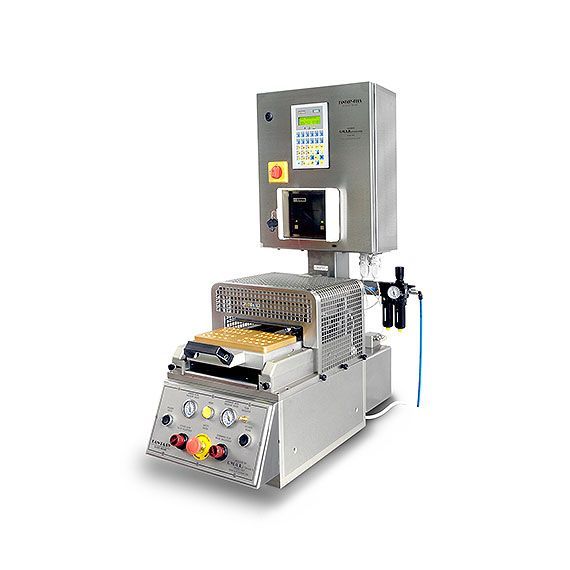
Blister packaging equipment is used to form, fill, seal, and cut individual blister packs for products such as pharmaceuticals, medical components, consumer goods, electronics, and small hardware.
The equipment creates shaped cavities in a packaging material, places the product inside, seals the cavity with a backing material, and separates the finished packs.
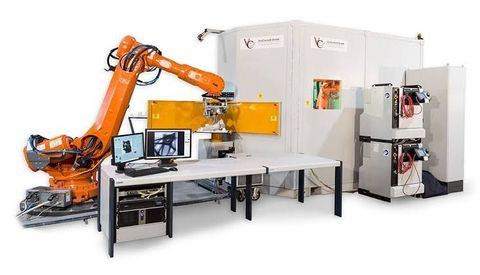
Modern blister packaging equipment can combine forming, product feeding, sealing, printing, inspection, cutting, and discharge in one integrated production line. The machine configuration depends on the product, packaging material, cavity design, production volume, and required quality controls.
Why Blister Packaging Equipment Matters
Blister packs provide individual product cavities that can help protect products from handling, contamination, moisture, and environmental exposure when the package is appropriately designed.
The packaging format is especially common for unit-dose pharmaceutical products, where each cavity can hold an individual tablet or capsule. Similar equipment configurations are also used for medical devices, batteries, hardware components, and consumer products.
Important considerations include:
- Product dimensions
- Cavity design
- Forming material
- Lidding material
- Sealing requirements
- Production volume
- Feeding method
- Inspection requirements
- Printing and coding requirements
- Automation level
How Blister Packaging Equipment Works
The exact sequence depends on the machine and packaging format, but a typical blister packaging line follows several main stages.
1. Forming Material Feeding
The process begins with a roll or sheet of forming material.
Common materials include PVC-based films, PET, PP, and other suitable packaging substrates. Pharmaceutical applications may also use specialized barrier materials when additional protection is required.
The material is guided into the forming section at a controlled speed.
2. Heating the Forming Material
For thermoformed blister packs, the forming material passes through a controlled heating station.
Heating softens the material sufficiently for it to take the shape of the blister cavities.
Temperature must be carefully controlled because excessive heating can distort the material, while insufficient heating may prevent proper cavity formation.
3. Blister Cavity Formation
After heating, the material enters a forming station.
Depending on the equipment, cavities can be formed using:
- Vacuum forming
- Pressure forming
- Mechanical forming
- Combination forming methods
A forming tool determines the size, depth, and shape of each cavity.
The finished cavities must provide sufficient space for the product while maintaining appropriate material distribution.
4. Product Feeding
Once the cavities are formed, products are placed into them.
The feeding method depends heavily on the product type.
Pharmaceutical blister machines can use dedicated feeding systems for tablets and capsules. Other machines may use vibratory feeders, pick-and-place mechanisms, robotic systems, or customized feeding equipment.
Sensors can detect missing products before the sealing stage.
5. Product Inspection
Some blister packaging lines include an inspection stage before sealing.
Vision systems can check whether products are correctly positioned inside the cavities.
Typical inspection functions include:
- Missing-product detection
- Product orientation
- Product count
- Foreign-object detection
- Cavity inspection
Detecting errors before sealing helps prevent incomplete packages from continuing through the production line.
6. Lidding Material Feeding
A lidding material is positioned over the filled blister web.
Common lidding materials can include aluminum foil, paper-based structures, or polymer films, depending on the packaging requirements.
The lidding material must align accurately with the blister cavities before sealing.
7. Heat Sealing
The forming web and lidding material pass through a controlled sealing station.
Heat, pressure, and dwell time are controlled to create a consistent seal around each cavity.
The sealing parameters depend on the materials being used and the required package characteristics.
8. Printing and Coding
Some blister packaging equipment includes printing or coding systems.
These systems can apply information such as:
- Product identification
- Batch information
- Expiration information
- Manufacturing codes
- Regulatory markings
The exact information depends on the product and applicable packaging requirements.
9. Cutting and Perforation
After sealing, the continuous blister web is divided into individual packs or predetermined groups.
Cutting tools can create the final pack dimensions, while perforation systems can create tear lines between individual units.
Accurate cutting helps maintain consistent pack geometry and prevents damage to the sealed cavities.
10. Finished Pack Discharge
The completed blister packs are transferred from the machine to downstream equipment.
Depending on the production line, finished packs may proceed to cartoning, labeling, inspection, collection, or secondary packaging.
Types of Blister Packaging Equipment
Thermoforming Blister Machines
Thermoforming equipment heats a plastic forming web and shapes it against a forming tool.
It is commonly used for pharmaceutical and consumer packaging applications where transparent or shaped cavities are required.
Cold-Forming Blister Machines
Cold-forming systems shape aluminum-based materials without heating the forming web in the same manner as thermoforming.
The resulting structure can provide strong barrier properties for applications requiring protection from moisture, oxygen, or light.
Pharmaceutical Blister Packaging Machines
These systems are configured for products such as tablets and capsules.
They can integrate specialized product feeders, forming stations, sealing systems, inspection equipment, printing, and cutting operations.
Medical Blister Packaging Equipment
Medical packaging systems can be designed for devices and components that require controlled packaging conditions and consistent sealing.
The equipment configuration depends on device geometry, material requirements, sterilization considerations, and applicable packaging specifications.
Automatic Blister Packaging Lines
Fully automatic systems combine multiple stages into a continuous production process.
A single line may integrate material feeding, forming, product placement, inspection, sealing, coding, cutting, and discharge.
Comparison of Blister Packaging Equipment
| Equipment Type | Main Process | Typical Application |
|---|---|---|
| Thermoforming system | Heated material forming | Tablets and consumer products |
| Cold-forming system | Aluminum forming | High-barrier packaging |
| Pharmaceutical blister machine | Forming and unit-dose packing | Tablets and capsules |
| Medical blister system | Forming and sealing | Medical components |
| Automatic blister line | Integrated production | High-volume packaging |
Main Components of Blister Packaging Equipment
A complete system can contain several interconnected components.
| Component | Function |
|---|---|
| Material unwinder | Feeds forming material |
| Heating station | Conditions thermoformable material |
| Forming tool | Creates blister cavities |
| Product feeder | Places products into cavities |
| Vision system | Checks product placement |
| Lidding unwinder | Feeds sealing material |
| Sealing station | Bonds lidding material |
| Printing system | Applies codes and information |
| Cutting station | Separates finished packs |
| Conveyor | Transfers products |
| Control system | Coordinates machine operations |
Factors for Selecting Blister Packaging Equipment
Product Characteristics
Evaluate product size, shape, weight, fragility, orientation, and feeding requirements.
Packaging Material
Determine whether the application uses thermoformable plastic, aluminum-based structures, foil, paper-based materials, or other compatible substrates.
Cavity Design
Cavity dimensions must accommodate the product while maintaining appropriate sealing and material distribution.
Production Volume
Higher production requirements may require continuous feeding, multi-lane systems, automated inspection, and integrated downstream packaging.
Sealing Requirements
Sealing temperature, pressure, dwell time, and material compatibility should be evaluated to achieve consistent package integrity.
Inspection
Pharmaceutical and medical applications may require more extensive inspection for missing products, damaged cavities, incorrect positioning, and seal quality.
Applications of Blister Packaging Equipment
Blister packaging equipment is used across multiple industries.
Common applications include:
- Pharmaceutical packaging
- Medical device packaging
- Consumer electronics
- Batteries
- Small hardware
- Personal-care products
- Stationery products
- Small consumer goods
- Industrial components
Frequently Asked Questions
What is blister packaging equipment?
Blister packaging equipment is machinery used to form cavities, place products inside them, seal the cavities with a lidding material, and cut the resulting web into finished blister packs.
How does a blister packaging machine work?
A typical machine feeds forming material, creates cavities, places products into those cavities, applies lidding material, seals the package, prints required information, and cuts the finished packs.
What materials are used for blister packaging?
Depending on the application, forming materials can include PVC, PET, PP, and aluminum-based structures. Lidding materials may include aluminum foil, paper-based structures, or polymer films.
What is the difference between thermoforming and cold forming?
Thermoforming uses heat to soften a forming material before creating the cavity. Cold forming mechanically shapes an aluminum-based material without relying on the same heating process.
Where is blister packaging equipment used?
It is widely used for pharmaceutical tablets and capsules, medical components, consumer products, electronics, batteries, hardware, and other small products requiring individual cavities.
Conclusion
Blister packaging equipment combines forming, product feeding, sealing, inspection, coding, and cutting to create individual packaged units. The exact machine configuration depends on the product, forming material, cavity design, production requirements, and quality specifications.
Thermoforming, cold forming, pharmaceutical, medical, and fully automatic systems each address different packaging requirements. Understanding the complete process from material feeding to finished-pack discharge provides a useful foundation for evaluating blister packaging equipment and designing an appropriate packaging line.