What Are Powder Filling Machines and How Do They Work?
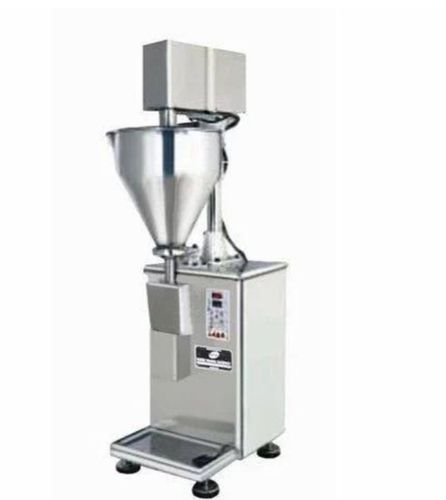
Powder filling machines are automated or semi-automated systems designed to measure and dispense powdered or fine-granular products into containers.
They are widely used across food processing, pharmaceuticals, chemicals, cosmetics, nutraceuticals, and other industries where consistent powder dosing is important.
Unlike liquid filling equipment, powder fillers must account for factors such as bulk density, particle size, flowability, dust generation, and product compaction. The filling mechanism is therefore selected according to the characteristics of the powder and the required production conditions.
Why Powder Filling Machines Matter
Accurate powder filling helps maintain consistent quantities across packaged products. Automated equipment can also improve production consistency by coordinating product feeding, dosing, container positioning, and downstream packaging operations.
Common benefits include:
- Consistent powder quantities
- Controlled dosing
- Automated container handling
- Reduced manual product handling
- Repeatable production cycles
- Integration with weighing and sealing equipment
- Better process monitoring
- Adaptability to different container formats
The appropriate machine depends on both the powder and the packaging format.
How Powder Filling Machines Work
Although powder filling machines use different dosing technologies, the overall process generally follows several controlled stages.
1. Powder Feeding
The powder is introduced into a hopper or product reservoir. A controlled feeding mechanism moves the material toward the dosing area.
Some powders flow easily, while others may bridge, compact, or form clumps. Agitators, vibrators, or specialized feeding systems may therefore be used to maintain consistent material movement.
2. Product Conditioning
Before dosing, the powder may require controlled agitation or conditioning to maintain a relatively consistent bulk condition.
Factors such as humidity, particle size, density, and electrostatic behavior can affect powder movement.
3. Dosing
The machine measures a predetermined quantity of powder using its selected dosing mechanism.
Common approaches include:
- Auger dosing
- Volumetric dosing
- Gravimetric dosing
- Cup-based dosing
- Screw-based dosing
The appropriate method depends on the product's flow characteristics and the required filling accuracy.
4. Container Positioning
Empty containers are transferred into the filling station through conveyors or automated handling systems.
Sensors can detect container presence and help coordinate the filling cycle. Accurate positioning is important because powder can generate dust if the product is dispensed outside the container opening.
5. Powder Filling
The measured powder is discharged into the container through a filling nozzle or dosing outlet.
Filling speed, nozzle height, auger rotation, and other parameters can be adjusted according to the product and target quantity.
For dusty products, specialized dust-control arrangements may help reduce airborne powder during the filling operation.
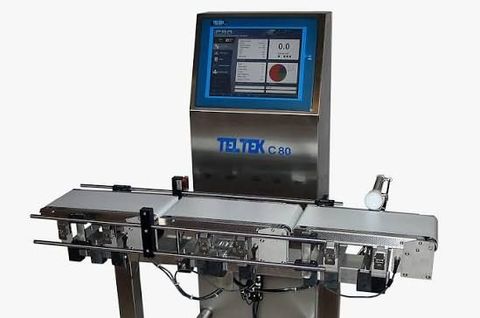
6. Weight Verification
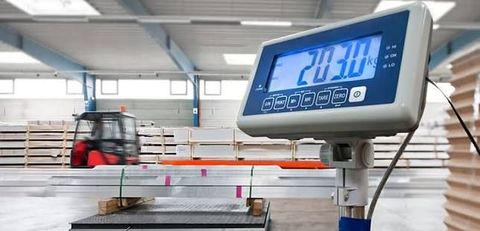
Some production lines include integrated or downstream weighing systems to verify the quantity inside each container.
Containers outside the defined tolerance range can be identified for further inspection or removal.
7. Container Sealing
After filling, containers move to a downstream sealing or closure station.
Depending on the packaging format, this may involve:
- Capping
- Lidding
- Heat sealing
- Foil sealing
- Pouch sealing
The filling machine can be integrated with these systems to create a continuous packaging line.
Types of Powder Filling Machines
Different powder characteristics require different dosing technologies.
Auger Powder Filling Machines
Auger fillers use a rotating screw to measure and dispense powder.
The auger's rotation controls how much material is transferred during each filling cycle. These machines are widely considered for fine powders and products that require controlled screw-based dosing.
Common applications include:
- Flour
- Spices
- Protein powders
- Pharmaceutical powders
- Seasonings
- Fine chemical powders
Volumetric Powder Fillers
Volumetric fillers measure powder according to a defined volume.
This approach can be suitable for products with relatively consistent bulk density. However, changes in powder density can affect the actual mass delivered.
Gravimetric Powder Filling Machines
Gravimetric systems measure powder by weight rather than volume.
A weighing system monitors the quantity being dispensed until the target weight is reached. This can be useful where product quantity is primarily specified by mass.
Cup-Based Filling Systems
Cup fillers use calibrated containers or cups to measure predetermined quantities of free-flowing powders or granular materials.
They are generally more appropriate for products that flow consistently through the feeding system.
Powder Filling Machine Comparison
| Filling Technology | Measurement Principle | Suitable Products |
|---|---|---|
| Auger filler | Screw rotation | Fine and controlled-flow powders |
| Volumetric filler | Defined volume | Consistent-density powders |
| Gravimetric filler | Weight | Products requiring mass accuracy |
| Cup filler | Measured cup volume | Free-flowing powders and granules |
What Factors Affect Powder Filling Accuracy?
Powder filling accuracy is influenced by more than the machine's dosing mechanism.
Bulk Density
Bulk density can change as powder settles, aerates, or becomes compacted. Significant variation can affect the quantity delivered by volume-based systems.
Particle Size
Fine powders and coarse particles behave differently during feeding and dosing. Particle distribution can influence flowability and dosing consistency.
Flowability
Some powders flow freely, while others may bridge or form cohesive masses. Equipment may require agitation or specialized feeding mechanisms for difficult-flowing materials.
Moisture and Humidity
Environmental conditions can influence powder behavior. Certain products can absorb moisture, increasing cohesion and reducing consistent flow.
Static Electricity
Fine powders may develop electrostatic charges that cause material to adhere to machine surfaces or containers. Equipment design and grounding practices can help manage these issues.
Applications of Powder Filling Machines
Powder filling systems are used in a wide range of industries.
| Industry | Examples |
|---|---|
| Food processing | Flour, spices, seasonings, dry mixes |
| Pharmaceuticals | Powdered formulations |
| Nutraceuticals | Protein and nutritional powders |
| Cosmetics | Face powders and powdered formulations |
| Chemicals | Dry chemical formulations |
| Agriculture | Selected powdered agricultural products |
| Household products | Powdered cleaning formulations |
How to Select Powder Filling Machines
Before selecting equipment, manufacturers should evaluate the complete product and packaging process.
Important considerations include:
- Powder characteristics
- Target fill quantity
- Required filling accuracy
- Production rate
- Container dimensions
- Powder dust generation
- Bulk density variation
- Product sensitivity
- Cleaning requirements
- Automation level
- Integration with weighing and sealing systems
For applications involving multiple powder types, equipment with adjustable dosing parameters can provide greater production flexibility.
Best Practices for Powder Filling
Consistent machine performance requires appropriate process control and maintenance.
Key practices include:
- Keep the powder supply consistent during production.
- Monitor changes in bulk density and flow behavior.
- Inspect augers, dosing components, and seals regularly.
- Maintain appropriate cleaning procedures.
- Check fill weights at defined intervals.
- Minimize unnecessary powder buildup.
- Verify container positioning.
- Maintain suitable environmental conditions.
- Recheck machine settings when changing products or container formats.
These practices can help reduce variations and maintain stable production performance.
Frequently Asked Questions
What are powder filling machines?
Powder filling machines are systems designed to measure and dispense powdered or fine-granular products into containers at controlled quantities.
How does an auger powder filler work?
An auger filler uses a rotating screw to move and measure powder. The number or speed of screw rotations is controlled to dispense the desired quantity.
Which powder filling machine is most accurate?
Accuracy depends on the product, target quantity, machine configuration, and operating conditions. Gravimetric systems can provide direct weight measurement, while properly configured auger systems can provide controlled dosing for many powders.
What products can powder filling machines handle?
Applications include spices, flour, seasonings, nutritional powders, pharmaceutical powders, cosmetic powders, dry mixes, and various industrial powder formulations.
What should I consider when selecting a powder filling machine?
Consider powder flowability, bulk density, particle size, moisture sensitivity, target quantity, required accuracy, production rate, container format, dust characteristics, cleaning requirements, and automation needs.
Conclusion
Powder filling machines provide controlled methods for measuring and dispensing powdered products into containers. Depending on the product and production requirements, manufacturers can use auger, volumetric, gravimetric, or cup-based filling technologies.
Successful equipment selection requires understanding powder characteristics as well as container format, filling quantity, accuracy requirements, production volume, and downstream packaging operations. With suitable dosing technology and consistent process control, powder filling systems can support reliable and repeatable packaging operations.