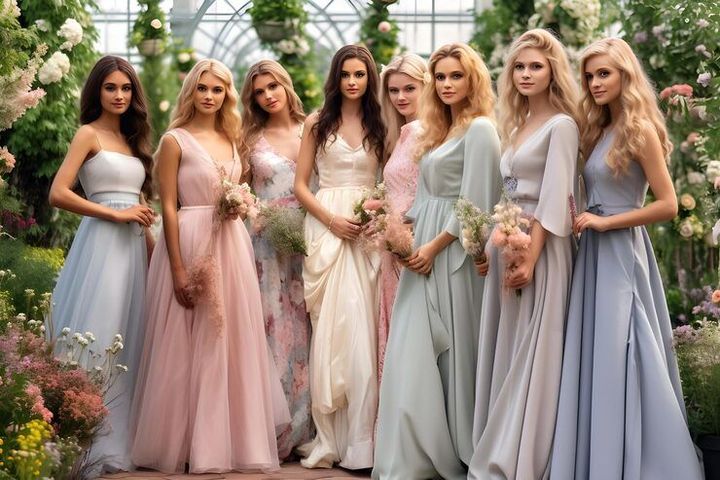
Wedding Guest Fashion: Explore Outfit Trends, Styles, and Key Details
Wedding Guest Fashion refers to the clothing, footwear, accessories, colors, fabrics, and styling choices people consider when attending a wedding. Unlike everyday clothing, wedding attire is usually influenced by the invitation, venue, time of day, cultural traditions, weather, and expected level of formality.
There is no single worldwide wedding outfit. A formal evening celebration in Europe may call for a tuxedo or floor-length gown, while an Indian wedding may involve several traditional events with different outfits. Weddings in Japan, Nigeria, China, the Middle East, Latin America, and other regions can also have distinct clothing traditions.
Modern weddings are becoming increasingly diverse. Destination celebrations and multicultural families can bring several traditions together, meaning guests may encounter dress expectations that differ from those in their own communities. Vogue has noted that multi-event wedding wardrobes are particularly familiar in cultures such as India, Pakistan, China, and Nigeria, while similar multi-look celebrations have become more visible in Western wedding culture.
Understanding the Invitation
The invitation is usually the first source of information about clothing expectations. Words such as black tie, formal, cocktail, semi-formal, festive, beach formal, or casual can provide guidance about the overall level of dress.
Venue and timing also matter. A daytime garden ceremony may have a different atmosphere from an evening ballroom reception, while a beach celebration may require lighter fabrics and practical footwear.
Guests should also consider whether the event has specific cultural, religious, or color-related expectations. When the invitation provides particular instructions, those details generally take priority over general fashion trends.
Main Elements of a Wedding Guest Outfit
A complete wedding look can involve several elements:
Main outfit: Dress, suit, jumpsuit, saree, lehenga, sherwani, kurta set, kaftan, or another culturally appropriate garment.
Footwear: Formal shoes, sandals, heels, flats, loafers, boots, or other footwear suited to the venue.
Accessories: Jewelry, watches, bags, belts, scarves, hair accessories, or other finishing pieces.
Outer layer: Jacket, shawl, wrap, coat, cape, or lightweight layer depending on weather.
Grooming: Hair, makeup, facial grooming, and other personal styling choices.
The overall appearance works best when these elements are considered together rather than selected independently.
Importance
Matching the Dress Code
Dress codes help establish the visual tone of a wedding. Black tie generally indicates highly formal evening attire, while cocktail attire allows more flexibility in silhouettes and lengths. Casual celebrations can accommodate simpler clothing, although the exact interpretation depends on the hosts and venue.
Vogue's 2026 discussion of wedding dress codes notes that formal categories generally involve more defined expectations, while casual categories allow greater flexibility.
Respecting Cultural Traditions
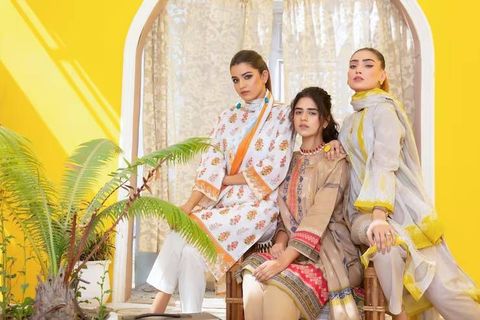
Wedding Guest Fashion is strongly influenced by culture. In India, guests may wear sarees, lehengas, salwar suits, sherwanis, kurta sets, and other traditional garments. In parts of West Africa, guests may wear garments incorporating regional textiles, coordinated fabrics, elaborate tailoring, or traditional silhouettes.
Chinese weddings can involve color symbolism and traditional garments, while Japanese celebrations may include formal kimono or contemporary Western-style attire depending on the ceremony. Middle Eastern weddings can also involve elaborate formalwear and regionally influenced clothing.
There is considerable variation within every culture. Guests should therefore avoid assuming that one outfit represents an entire country or community.
Considering Venue and Climate
Weather can significantly influence clothing choices. Outdoor summer weddings may require breathable materials and footwear suited to grass or sand. Winter celebrations can involve coats, velvet, wool blends, layered tailoring, or other warm fabrics.
Destination weddings add another consideration because guests may travel between different climates. A lightweight outfit suitable for a tropical ceremony may require an additional layer for an evening reception.
Balancing Personal Style
Wedding attire allows guests to express personal style while remaining appropriate for the event. Contemporary options include tailored suits, coordinated separates, statement accessories, draped dresses, jumpsuits, textured fabrics, and culturally inspired combinations.
Personal expression can also come through color, jewelry, footwear, fabric, or accessories rather than through an extremely elaborate outfit.
Outfit Categories
| Wedding Setting | Common Clothing Direction | Useful Considerations |
|---|---|---|
| Black-tie evening | Gown, formal tuxedo, formal suit | Formal fabrics and polished accessories |
| Cocktail | Midi dress, tailored suit, dressy separates | Flexible silhouettes |
| Garden | Dress, suit, coordinated separates | Comfortable footwear and lighter fabrics |
| Beach | Relaxed formalwear, flowing dress, linen tailoring | Heat, wind, sand |
| Indian wedding | Saree, lehenga, kurta, sherwani | Event and regional traditions |
| Winter wedding | Velvet, wool, layered formalwear | Warmth and outer layers |
| Destination wedding | Venue-appropriate formalwear | Climate and travel practicality |
Recent Updates
More Expressive Guest Dressing
Wedding guest fashion in 2026 is showing greater interest in personality, color, and individual interpretation. Vogue's coverage of 2026 wedding trends describes a broader movement toward weddings that feel personal rather than following identical formulas.
This approach can influence guest clothing as well. Instead of relying exclusively on conventional neutral shades, guests may incorporate richer colors, distinctive prints, interesting textures, or unusual accessories while still following the requested dress code.
Jewel and Purple Color Palettes
Purple shades ranging from soft lilac to deeper plum and wine tones are appearing prominently in current wedding guest fashion coverage. Vogue identified purple variations as a notable fall 2026 guest-dress direction.
Similar jewel-inspired colors can include emerald, sapphire, ruby, burgundy, and deep teal. These shades can work across dresses, suits, accessories, and traditional garments.
Tailored Separates
Suits and coordinated separates are becoming increasingly visible as alternatives to conventional dresses. Current fashion coverage highlights wedding guest sets, tailored jackets, skirts, trousers, and coordinated pieces as contemporary options for less formal or fashion-oriented celebrations.
This approach can also work across genders because tailoring can be adapted through silhouettes, fabrics, colors, and accessories.
Statement Accessories
Accessories are receiving greater attention in contemporary event dressing. Brooches, sculptural jewelry, distinctive handbags, statement shoes, decorative scarves, and vintage-inspired pieces can change the appearance of a relatively simple outfit.
Current fashion-week coverage has also highlighted the return of brooches and decorative scarves as noticeable styling elements.
Multiple Wedding Events
Many contemporary weddings involve several gatherings rather than one ceremony and reception. Guests may attend welcome events, rehearsal dinners, cultural ceremonies, daytime celebrations, receptions, or post-wedding gatherings.
This creates opportunities for different levels of formality and cultural dress. In regions with established multi-day wedding traditions, guests may already be accustomed to changing outfits for different events.
Rewearable Formalwear
Current fashion coverage increasingly highlights wedding outfits that can also work for other formal occasions. This encourages guests to consider versatile silhouettes, separates, accessories, and fabrics that are not limited to one particular celebration.
The idea of rewearing an outfit can be particularly useful when attending several weddings during the same season.
Laws or Policies
Dress Codes and Venue Rules
Wedding clothing is generally governed by the hosts' stated expectations rather than a universal fashion law. Invitations may specify black tie, formal, cocktail, traditional attire, modest dress, or another category.
Venue rules can also affect clothing. Religious locations may have requirements concerning shoulders, legs, head coverings, footwear, or other forms of dress.
Cultural and Religious Considerations
Guests attending weddings across different countries should consider local customs and religious expectations. Certain ceremonies may require covered shoulders, longer garments, head coverings, removal of shoes, or particular types of clothing.
These expectations can vary significantly between communities and venues. The wedding invitation, host instructions, venue information, or local cultural guidance can provide more accurate information than generalized assumptions.
Color Expectations
Some wedding traditions attach particular meanings to colors. White may traditionally be associated with the bride in many Western weddings, while red can have strong celebratory significance in several Asian cultures.
However, these conventions are not universal. Some modern weddings intentionally use unusual color palettes or specify particular colors for guests, so the invitation should remain the primary reference.
Photography and Venue Considerations
Outdoor venues, beaches, historic buildings, religious sites, and formal reception spaces can each create different practical considerations.
Footwear should suit the ground surface, while clothing should allow reasonable movement when guests will walk between ceremony and reception locations. Weather conditions should also be considered for outdoor celebrations.
Tools and Resources
Dress Code Guides
Dress-code references can help translate terms such as black tie, cocktail, formal, semi-formal, and casual into practical clothing categories. When the invitation uses an unusual phrase, checking the wording with the hosts can prevent misunderstandings.
Weather Forecasts
Weather information is particularly useful for outdoor and destination weddings. Temperature, rainfall, humidity, wind, and evening conditions can influence fabric selection, outer layers, and footwear.
Cultural References
For multicultural or international weddings, cultural organizations, museum resources, regional fashion references, and information supplied by the hosts can help guests understand traditional clothing.
Outfit Planning Tools
Digital wardrobe applications and simple outfit-planning tools can help organize garments, accessories, footwear, and multiple looks for multi-day celebrations.
A planning list can include:
Ceremony outfit
Reception outfit
Cultural-event outfit
Evening layer
Footwear
Jewelry or accessories
Bag
Weather-appropriate outerwear
Fabric and Color References
Fabric references can help guests understand how materials behave in different environments. Linen and lightweight cotton may suit warm settings, while velvet, wool, brocade, and layered fabrics may be more appropriate for cooler conditions.
Color references can also help coordinate accessories with the primary outfit without making every element identical.
FAQs
What is Wedding Guest Fashion?
Wedding Guest Fashion includes the clothing, footwear, accessories, fabrics, colors, and styling choices used by people attending wedding celebrations. Choices can vary according to dress code, culture, venue, climate, and event timing.
What should I wear to a wedding?
The appropriate outfit depends on the invitation, dress code, venue, cultural setting, time of day, and weather. Formal events may require tailored or evening clothing, while relaxed celebrations can allow lighter and simpler outfits.
Can Wedding Guest Fashion include traditional clothing?
Yes. Traditional garments can be an important part of Wedding Guest Fashion at cultural and religious celebrations. Sarees, lehengas, sherwanis, kimono, kaftans, and many other regional garments can be appropriate when they align with the event's customs.
What colors are appropriate for wedding guests?
There is no universal color rule. Guests should consider the invitation and cultural setting. In many Western weddings, guests traditionally avoid white or bridal-looking outfits, while different cultures may have their own color associations.
What are current Wedding Guest Fashion trends?
Current 2026 coverage highlights expressive colors, purple and jewel tones, tailored separates, statement accessories, personalized styling, and outfits that can transition to other formal occasions.
Conclusion
Wedding Guest Fashion varies around the world according to culture, dress code, venue, climate, traditions, and personal style. Current trends show greater interest in expressive colors, tailored separates, statement accessories, versatile clothing, and culturally meaningful details. For international and multicultural celebrations, understanding the invitation and specific event traditions is particularly important. A thoughtful guest outfit combines the requested level of formality with practical considerations such as weather, movement, venue, and cultural expectations.