Fashion and Art Collaborations: Guide to Creative Partnerships and Practical Insights
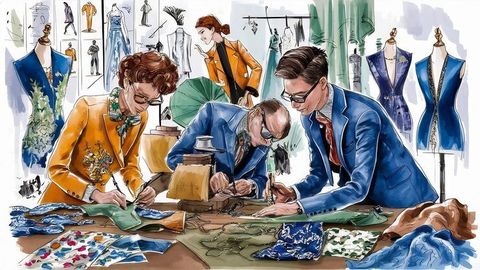
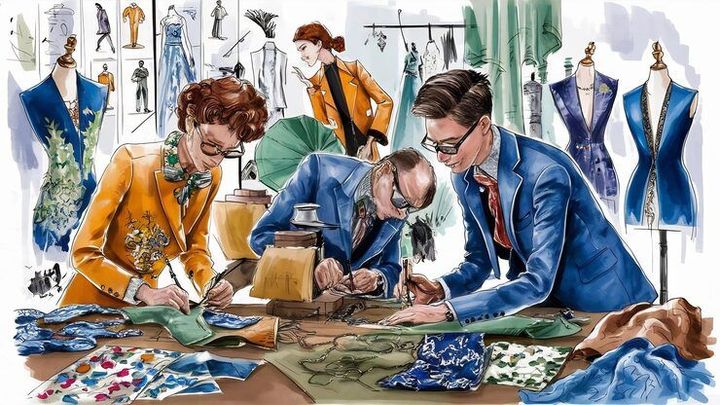
Fashion and art collaborations bring designers, artists, museums, galleries, creative studios, or cultural organizations together to create a shared project. The result can be clothing, accessories, exhibitions, installations, photography, textiles, performances, or digital artwork.
These partnerships connect two creative fields that often use similar ideas such as color, form, materials, identity, storytelling, and visual expression. A fashion designer may translate an artist's visual language into a garment, while an artist may use clothing or textiles as a medium for a new creative project.
Fashion and art collaborations can range from a single artwork-inspired collection to a long-term cultural project. Some are created for exhibitions, while others involve limited creative collections, museum programs, public installations, or experimental digital projects.
How These Partnerships Developed
The relationship between fashion and art has a long history. Designers have drawn inspiration from painting, sculpture, architecture, photography, cinema, and decorative arts for generations.
During the twentieth century, several designers developed direct relationships with artists. Elsa Schiaparelli's collaborations with Salvador Dalí are a well-known historical example, while later designers worked with contemporary artists, photographers, illustrators, and architects.
Modern collaborations have expanded beyond visual inspiration. Artists may participate directly in concept development, garment design, photography, set design, exhibitions, or digital experiences. Museums have also become important spaces where fashion is presented alongside paintings, sculpture, historical objects, and decorative arts.
Main Types of Fashion and Art Collaborations
Several common formats exist:
Artist-designed fashion: An artist contributes original imagery, patterns, graphics, or concepts to garments and accessories.
Designer and artist projects: Fashion designers and artists jointly develop objects, installations, textiles, or experimental pieces.
Museum collaborations: Museums and fashion organizations connect collections with contemporary clothing, exhibitions, or cultural programs.
Art-inspired collections: A designer develops a collection around an artist, artistic movement, historical period, or visual theme.
Photography and fashion projects: Photographers, stylists, designers, and artists create editorial or exhibition work combining clothing with visual storytelling.
Textile and surface collaborations: Artists create patterns, prints, embroidery, or other visual treatments for textiles.
Digital fashion and art: Designers and digital artists create virtual garments, animations, interactive environments, or digitally presented fashion concepts.
A simple example is an artist creating a series of abstract patterns and a fashion designer adapting those patterns into textiles. The artist contributes the visual concept, while the designer considers garment construction, materials, proportions, and practical wear.
Typical Collaboration Process
A fashion and art collaboration generally moves through several stages. First, the participants define the creative idea and establish how their individual roles will work together.
Next, they research visual references, materials, cultural context, production methods, and intended audiences. Sketches, digital models, textile samples, photographs, or prototypes may then be developed.
The participants also establish intellectual property rights, credit arrangements, payment terms, production responsibilities, licensing conditions, and approval procedures. Clear documentation becomes particularly important when several creative parties contribute original work.
Importance
Why Fashion and Art Collaborations Matter
Fashion and art collaborations can create new ways to communicate ideas about culture, identity, history, technology, and design. Clothing can function as a visual medium, while art can gain a physical or wearable dimension through textiles and garments.
Museums increasingly present fashion as part of broader art and cultural history. In 2025, the Louvre opened “Louvre Couture,” an exhibition connecting modern fashion with historical objects and decorative arts, including armor, tapestries, jewelry, and other works.
The Metropolitan Museum of Art has also continued to document contemporary fashion within its Costume Institute collection. Its records include Fall/Winter 2024–25 couture by designers such as Thom Browne and Robert Wun, showing how recent fashion can enter museum collections and research environments.
Who Participates
Fashion and art collaborations can involve many types of creative and cultural professionals:
Fashion designers develop garments, accessories, silhouettes, and material concepts.
Visual artists contribute imagery, patterns, sculpture, illustration, or conceptual direction.
Photographers create visual narratives and documentation.
Curators develop exhibitions and historical interpretation.
Textile specialists translate artwork into fabrics, prints, embroidery, or surface treatments.
Digital artists create animation, virtual garments, 3D environments, or interactive media.
Museums and galleries provide cultural, archival, exhibition, and educational contexts.
Intellectual property professionals help establish ownership, licensing, and usage arrangements.
The exact structure depends on the project. A museum exhibition may require curatorial research and conservation planning, while a garment project may require pattern development, material testing, manufacturing coordination, and licensing documentation.
Practical Functions
These collaborations can support cultural exhibitions, fashion education, artistic experimentation, product design, museum interpretation, photography, public installations, and digital storytelling.
They can also help audiences see fashion from a different perspective. Instead of treating clothing only as apparel, an exhibition may examine garments as objects connected with architecture, politics, social identity, technology, craftsmanship, or visual culture.
However, collaboration also creates challenges. Different creative priorities can produce disagreements about authorship, deadlines, aesthetics, materials, or final approval. Cultural references require particular care when they involve Indigenous communities, traditional cultural expressions, religious imagery, or historically significant symbols.
Comparing Collaboration Formats
| Collaboration Type | Main Participants | Typical Output | Main Consideration |
|---|---|---|---|
| Artist and designer | Artist, designer | Garments, prints, accessories | Clear creative roles |
| Museum fashion project | Museum, curator, designers | Exhibition or collection display | Historical interpretation |
| Textile collaboration | Artist, textile designer | Fabric, embroidery, patterns | Technical adaptation |
| Photography project | Designer, photographer, creative team | Editorial images or exhibition | Visual direction and image rights |
| Digital collaboration | Fashion designer, digital artist | 3D garments, animation, virtual spaces | Software and digital ownership |
| Cultural collaboration | Designers, artists, communities | Fashion or textile project | Consent and cultural context |
Recent Updates
Growth of Fashion Exhibitions
From 2024 through 2026, major museums have continued expanding the relationship between fashion, art, and exhibition design. The Met's 2024 “Sleeping Beauties: Reawakening Fashion” exhibition used technology to enhance the presentation of approximately 250 garments and accessories, connecting historic objects with sensory interpretation.
In 2025, reporting on museum fashion exhibitions also highlighted projects at institutions including the Louvre, the V&A, and LACMA. These developments demonstrate continued institutional interest in presenting clothing alongside broader art and cultural collections.
Digital and Interactive Presentation
Digital tools are changing how fashion and art projects are designed and presented. 3D modeling, digital textile visualization, motion graphics, augmented experiences, and virtual environments can allow creative teams to test concepts before physical production.
AI-assisted tools are also entering creative workflows for image development, concept exploration, pattern experimentation, and visual research. Their use raises questions about authorship, training data, originality, and intellectual property, so human review and documented creative contributions remain important.
Museum and Fashion Partnerships
Museum partnerships can create structured relationships between fashion, contemporary art, and public audiences. MoMA, for example, has maintained a long-running collaboration with UNIQLO involving apparel and accessories inspired by artists represented in the museum's collection.
The Met also announced a five-year partnership in 2024 supporting its contemporary art facade commission series, illustrating how institutional art programming can intersect with external creative and commercial organizations.
Intellectual Property and Creative Ownership
Intellectual property has become increasingly important as fashion collaborations become more complex. WIPO identifies copyright, trademarks, industrial designs, and other intellectual property rights as important tools within fashion's creative ecosystem, including collaboration and licensing arrangements.
In 2025, WIPO discussions with fashion businesses highlighted the need for clear contractual frameworks in cross-brand collaborations and the importance of protecting creative control and intellectual property.
Laws or Policies
Intellectual Property Rights
There is no single worldwide law covering every fashion and art collaboration. Legal protection depends on the countries involved, the type of creative work, ownership arrangements, and applicable intellectual property legislation.
Copyright may protect original artistic works, while industrial design systems can protect certain visual features of products where applicable. Trademarks can protect names, logos, and other brand identifiers.
WIPO explains that industrial design protection can apply to aesthetic aspects of garments, accessories, textile patterns, and packaging in jurisdictions where the relevant requirements are satisfied.
Contracts and Licensing
A written agreement can establish who owns the original artwork, who controls adaptations, how the work may be reproduced, how names and images can be used, and how long permissions remain active.
Licensing is particularly relevant when an artist allows a fashion company or designer to use existing artwork. The agreement may define geographic territory, duration, formats, approved products, attribution, and payment arrangements.
Cultural Heritage and Traditional Expressions
Fashion projects using traditional cultural expressions can involve additional ethical and legal considerations. WIPO has developed guidance concerning engagement with Indigenous Peoples and communities when elements of traditional cultural expressions are considered for fashion projects.
The legal framework differs between jurisdictions, and not every traditional cultural expression receives the same form of statutory protection. Respectful consultation, recognition, authorization where applicable, and clear documentation can therefore be important parts of project planning.
Regional Differences
The United States, European Union, United Kingdom, and other jurisdictions have different intellectual property systems and procedures. A collaboration involving creators in several countries may therefore require separate legal analysis for copyright, designs, trademarks, licensing, taxation, contracts, and dispute resolution.
Creators and organizations should rely on the relevant national intellectual property authorities and applicable legislation rather than assuming that protection in one country automatically applies worldwide.
Tools and Resources
Design and 3D Software
Fashion designers can use computer-aided design software to develop garment patterns, technical drawings, textile layouts, and three-dimensional models. 3D fashion tools can also simulate garment shapes and materials before physical samples are produced.
Digital illustration software is useful for artists creating patterns, graphics, color studies, and visual concepts that may later be adapted into textiles or garments.
Museum and Art Databases
Museum collection databases provide valuable resources for researching artists, historical garments, materials, artistic movements, and cultural context. The Met's Open Access resources, for example, provide access to collection data and public-domain material for research and creative projects where the relevant rights permit such use.
Intellectual Property Resources
WIPO provides fashion-focused intellectual property information covering designs, trademarks, copyright, licensing, traditional cultural expressions, and related issues. These resources can help creative teams identify questions that should be addressed before a collaboration begins.
Project Management and Documentation
Shared project platforms can organize sketches, reference images, contracts, production schedules, approvals, and revision records. Version control is useful when several artists and designers are working on the same visual assets.
Digital asset management systems can also record image ownership, usage permissions, credits, and approved versions. This documentation becomes particularly useful when artwork is reproduced across garments, exhibitions, websites, social media, and digital environments.
FAQs
What are fashion and art collaborations?
Fashion and art collaborations are creative projects in which fashion designers and artists work together on garments, textiles, accessories, exhibitions, photography, installations, or digital projects.
How do fashion and art collaborations work?
A typical collaboration begins with a shared concept, followed by research, sketches, prototypes, production planning, intellectual property arrangements, approvals, and final presentation. The exact process depends on the project's format.
Why are fashion and art collaborations important?
They connect visual art with clothing, design, culture, and storytelling. They can also create new exhibition formats, educational experiences, textile concepts, and experimental approaches to fashion design.
What intellectual property issues affect fashion and art collaborations?
Ownership, copyright, industrial designs, trademarks, licensing, attribution, reproduction rights, and contractual permissions can all affect a collaboration. Requirements vary by country and by the type of creative work involved.
How is technology changing fashion and art collaborations?
3D modeling, digital textiles, virtual environments, interactive media, and AI-assisted creative tools are changing how concepts can be developed and presented. These technologies also create new questions about authorship, originality, data, and intellectual property.
Conclusion
Fashion and art collaborations connect clothing, visual culture, technology, and creative practice through shared projects. They can take the form of artist-designed garments, museum exhibitions, textile projects, photography, installations, or digital fashion experiences. Developments from 2024 to 2026 show continued interest in presenting fashion within museums and expanding digital approaches to creative interpretation. Clear intellectual property arrangements, cultural awareness, accurate documentation, and defined creative roles remain important elements of these partnerships.