Vintage Luxury Bag Revival: Discover Classic Designs and Important Details
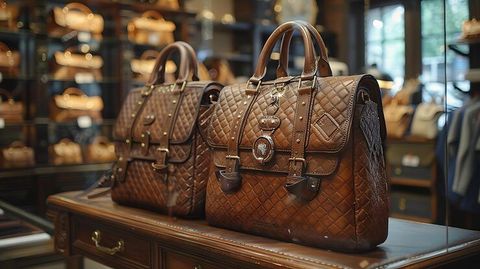
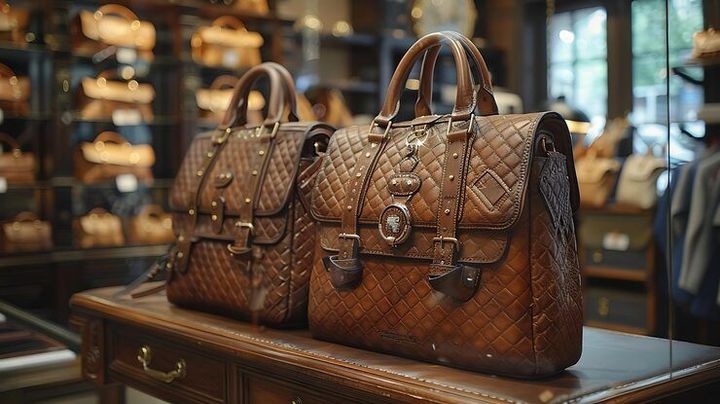
Vintage luxury bag revival refers to the renewed interest in classic handbags from earlier fashion eras. These bags are often recognized for distinctive silhouettes, traditional craftsmanship, recognizable hardware, structured shapes, and design details associated with particular periods.
The vintage luxury bag revival has become part of a broader interest in timeless fashion. Instead of focusing only on newly released collections, collectors and fashion enthusiasts are increasingly exploring older designs that continue to influence contemporary handbag aesthetics.
Vintage bags can include structured top-handle bags, shoulder bags, framed handbags, travel-inspired designs, miniature silhouettes, and evening pieces. Their appeal often comes from the combination of historical character, design heritage, and materials.
Why Classic Bag Designs Remain Relevant
Certain handbag designs remain visually recognizable decades after their introduction. Their proportions, hardware arrangements, handle construction, closures, and material choices can become references for later fashion collections.
Classic designs also provide a way to understand changing fashion preferences. A structured handbag from one decade may emphasize formality, while a softer shoulder bag from another period may reflect changing everyday lifestyles.
Major Vintage Fashion Eras
| Era | Common Design Characteristics | Materials Often Seen |
|---|---|---|
| 1950s | Structured shapes, short handles, formal silhouettes | Leather, satin, exotic-look materials |
| 1960s | Compact shapes, geometric details | Leather, coated materials, fabric |
| 1970s | Softer forms, shoulder styles, decorative details | Leather, suede, textile |
| 1980s | Structured silhouettes, prominent hardware | Leather, canvas, metal |
| 1990s | Minimal shapes, compact shoulder bags | Leather, nylon, coated canvas |
| Early 2000s | Smaller shoulder styles, distinctive logos | Leather, canvas, synthetic blends |
Importance
Craftsmanship and Construction
Construction is one of the most important details when examining a vintage luxury bag. Stitching, edge finishing, lining, handles, closures, and hardware can reveal how a bag was manufactured and maintained.
Older bags may show natural changes caused by age. Leather can develop a darker tone or surface variation, while metal hardware can develop patina. These characteristics can contribute to the visual identity of a vintage piece.
Historical Design Language
Vintage luxury bags can provide insight into the design language of different decades. Shapes and proportions often correspond with broader changes in clothing, transportation, social occasions, and everyday routines.
For example, compact evening bags were suited to formal occasions, while larger shoulder bags became increasingly practical as casual clothing and everyday mobility became more prominent.
Collecting and Personal Style
Vintage bags can also play a role in personal collections. Some collectors focus on a particular decade, material, silhouette, designer heritage, or hardware style.
Others select pieces based on how easily they integrate with contemporary wardrobes. A structured vintage handbag can work with modern tailoring, while a compact shoulder bag may complement casual clothing.
Restoration and Preservation
Age-related wear does not always mean that a vintage bag has lost its character. Surface marks, gentle leather variation, and hardware patina can sometimes be part of the bag's historical appearance.
Restoration should therefore be approached carefully. Aggressive cleaning, repainting, replacement of original components, or excessive conditioning can alter important original details.
Recent Updates
Renewed Interest in Archive Fashion
The vintage luxury bag revival has become closely connected with growing interest in archive fashion. Designers, stylists, collectors, and fashion audiences frequently revisit earlier silhouettes for inspiration.
Contemporary collections may reinterpret older proportions, closures, handles, patterns, or material combinations. This creates a connection between historical handbag design and current fashion.
Digital Authentication Developments
Digital tools have also changed how vintage bags are researched and evaluated. High-resolution photographs make it easier to examine stitching, hardware, labels, lining construction, and other identifying characteristics.
Some modern products incorporate digital identification systems or traceability technologies. These developments are particularly relevant to the broader luxury fashion industry because provenance and authenticity can influence collector interest.
Growth of Circular Fashion
The renewed interest in older handbags also fits within the wider movement toward circular fashion. Extending the useful life of an existing item can reduce the need for replacing it with another newly manufactured product.
Vintage ownership can therefore involve several stages, including identification, condition assessment, cleaning, preservation, repair, and long-term storage.
Changing Preferences in Vintage Silhouettes
Fashion cycles continue to bring earlier shapes back into contemporary wardrobes. Compact shoulder bags, structured top-handle designs, elongated silhouettes, and distinctive archival patterns periodically return to fashion discussions.
The revival does not necessarily mean that every historical design becomes popular again. Instead, specific design elements can reappear in modified forms.
Laws or Policies
Authenticity and Counterfeit Rules
Vintage luxury bags are affected by laws concerning trademarks, counterfeit goods, intellectual property, and consumer transactions. Regulations differ between countries and regions.
An item that appears visually similar to a recognized luxury design may involve trademark or intellectual-property considerations if it is represented as an authentic branded product without authorization.
Import and Export Considerations
International movement of vintage handbags can involve customs requirements, depending on the destination and materials used. Certain animal-derived materials may also be subject to additional wildlife-trade regulations.
Buyers and collectors handling older bags internationally should check the rules applicable to both the departure and destination countries before transportation.
Material Restrictions
Some historical handbags may contain materials that are regulated today. Exotic skins, ivory components, certain protected animal materials, and other restricted substances can create additional documentation requirements.
The age of an item does not automatically remove applicable restrictions. Documentation, material identification, and country-specific rules may therefore matter when dealing with older pieces.
Tools and Resources
Condition Inspection Checklist
A basic inspection can focus on:
Exterior leather or textile condition
Stitching consistency
Handle attachment points
Interior lining
Zippers and closures
Hardware condition
Embossed markings or labels
Serial or date identification elements
Odor, moisture, or mold signs
Previous repairs or alterations
Leather and Material Assessment
Different materials age in different ways. Leather may develop patina, dryness, scratches, or surface variation. Suede can show changes in texture, while coated canvas may develop cracking or edge wear.
Understanding the original material helps determine suitable preservation methods.
Storage Equipment
Proper storage can help reduce unnecessary deterioration. Useful items may include:
Breathable dust bags
Acid-free tissue paper
Shape-support inserts
Soft storage shelves
Humidity monitoring equipment
Protective pouches for hardware
Plastic storage should be used carefully because trapped moisture can contribute to deterioration in some environments.
Authentication Resources
Authentication research may involve comparing multiple physical details rather than relying on one feature. Useful reference points include:
Historical catalog images
Brand-specific date or production systems
Hardware configurations
Stitching patterns
Interior labels
Material combinations
Manufacturing characteristics
Documented archive references
A single logo, serial number, or stamp should not automatically determine authenticity because production details can vary across periods and regions.
FAQs
What Makes a Vintage Luxury Bag Different From a Modern Bag?
A vintage luxury bag generally comes from an earlier production period and may display design, material, hardware, and construction characteristics associated with that era. Age alone does not determine its historical significance.
Why Is Vintage Luxury Bag Revival Important in Fashion?
Vintage luxury bag revival keeps historical designs visible and allows older silhouettes, materials, and construction details to influence contemporary fashion. It also contributes to interest in archive collections and circular fashion.
How Can Vintage Luxury Bag Condition Be Evaluated?
Condition can be evaluated by examining the exterior, lining, handles, stitching, hardware, closures, odor, moisture exposure, and previous alterations. Different materials require different assessment methods.
How Should a Vintage Luxury Bag Be Stored?
A vintage bag should generally be kept in a clean, dry environment away from direct sunlight and excessive humidity. Breathable storage materials and gentle shape support can help maintain its form.
Can Vintage Bags Contain Restricted Materials?
Yes. Some older bags may contain animal-derived or other regulated materials. International transportation can therefore require additional documentation or compliance with wildlife and customs regulations.
Conclusion
Vintage luxury bag revival connects historical handbag design with contemporary fashion interests. Classic silhouettes, distinctive construction, aged materials, and recognizable hardware can provide valuable insight into different fashion eras.
Understanding a vintage bag involves more than identifying its appearance. Material condition, construction details, provenance, restoration history, storage, and applicable regulations can all influence how an older handbag should be evaluated.
As archive fashion and circular fashion continue to attract attention, vintage handbags remain an important part of fashion history. Careful preservation allows their distinctive design characteristics to remain visible while supporting a deeper understanding of how handbag styles evolve over time.