Vintage Engagement Rings: Discover Timeless Details, Heritage Styles, and Settings
Vintage engagement rings combine historical design influences with distinctive diamond shapes, intricate details, and traditional setting techniques. Explore Victorian, Edwardian, Art Deco, and Retro styles, along with vintage-inspired settings and modern jewellery trends.
Vintage Engagement Rings: Discover Timeless Details, Heritage Styles, and Settings
Context
Vintage engagement rings are jewellery designs influenced by earlier historical periods and traditional craftsmanship. They can include original antique or vintage rings as well as newly created rings that incorporate motifs, proportions, gemstone arrangements, and setting techniques associated with earlier eras.
Different periods produced distinctive jewellery characteristics. Victorian designs often incorporated romantic and nature-inspired details, Edwardian jewellery became known for delicate platinum work and intricate motifs, Art Deco designs emphasized geometry and contrast, while Retro jewellery introduced bold gold forms and softer geometric shapes.
Vintage-inspired engagement rings allow these historical influences to appear in contemporary jewellery while combining them with modern diamond shapes, metals, proportions, and construction methods.
What Are Vintage Engagement Rings?
Vintage engagement rings generally refer to rings associated with earlier design periods or contemporary rings that draw heavily from historical jewellery.
The term can describe several different design approaches. An authentic older ring may retain its original materials and craftsmanship, while a vintage-inspired ring may be newly made using design characteristics associated with a particular historical period.
GIA identifies Victorian, Edwardian, Art Deco, and Retro periods as important sources of inspiration when examining antique and vintage engagement-ring styles. (gia.edu)
Main Historical Styles
Common historical influences include:
Victorian jewellery
Edwardian jewellery
Art Nouveau-inspired designs
Art Deco jewellery
Retro jewellery
Old Mine diamond styles
Old European diamond styles
Antique cushion cuts
Milgrain detailing
Filigree work
Engraved metalwork
Halo and cluster arrangements
The characteristics can overlap because jewellery design evolved gradually between periods.
Vintage Versus Vintage-Inspired
An authentic vintage or antique ring is an older physical piece associated with a particular period. A vintage-inspired ring is a newer piece that incorporates historical design elements.
This distinction can be important when evaluating the age, construction, gemstone characteristics, documentation, and overall design history of a ring.
Importance
Vintage engagement rings remain significant because they combine jewellery design with historical references and visible craftsmanship.
The style can appeal to people who prefer distinctive details, unusual proportions, traditional motifs, or jewellery with a connection to earlier design periods.
Victorian Style
Victorian jewellery covers a long period and includes several changing design influences.
Engagement rings associated with later Victorian styles can feature old mine-cut diamonds, gold settings, floral motifs, engraved details, and romantic symbolism. GIA notes that old mine cuts can contribute strongly to the Victorian character of a ring. (gia.edu)
Edwardian Style
Edwardian jewellery is associated with delicate decorative work, platinum, diamonds, lace-like patterns, scrolls, garlands, bows, and floral motifs.
The use of platinum allowed jewellery makers to create intricate openwork and fine details. Marquise diamonds and other elongated shapes were also used during the period. (gia.edu)
Art Deco Style
Art Deco jewellery emerged strongly during the 1920s and 1930s. Geometric forms, symmetry, contrasting colours, straight lines, and structured arrangements are among its recognizable characteristics.
Diamonds were frequently combined with platinum and contrasting gemstones such as sapphires, rubies, emeralds, and onyx. (gia.edu)
Retro Style
Retro jewellery developed during approximately the 1930s through the 1950s and combined geometric influences with softer curves.
Gold and rose gold were widely used, while coloured gemstones and sculptural forms also became prominent. GIA describes Retro jewellery as incorporating softened versions of earlier geometric designs. (gia.edu)
Old Mine Cut Diamonds
Old Mine cut diamonds have a distinctive historical appearance. They generally feature larger facets, a smaller table, a higher crown, and an outline that can appear less uniform than modern precision-cut diamonds.
Their visual character is closely associated with antique jewellery and remains an important element of vintage-inspired ring design.
Old European Cut Diamonds
Old European cuts are another historical diamond style. They typically have a rounded outline and larger facets designed around the cutting practices of their period.
Their appearance can differ considerably from modern round brilliant diamonds, particularly in facet arrangement and visual pattern.
Antique Cushion Cuts
Antique cushion cuts combine rounded corners with historical cutting characteristics.
Their softer outlines and individual facet patterns can create a vintage character while fitting naturally into both heritage-inspired and contemporary settings.
| Style Period | Common Design Features | Typical Visual Character |
|---|---|---|
| Victorian | Gold, floral motifs, old cuts | Romantic and detailed |
| Edwardian | Platinum, filigree, lacework | Delicate and intricate |
| Art Deco | Geometry, symmetry, contrast | Structured and architectural |
| Retro | Gold, curves, coloured gems | Sculptural and bold |
| Vintage-inspired | Historical motifs with modern construction | Heritage-influenced |
Recent Updates
Vintage-inspired engagement rings have gained renewed attention as jewellery design increasingly emphasizes individuality, historical references, unusual diamond shapes, and tactile craftsmanship.
Renewed Interest in Antique Cuts
Recent jewellery coverage has highlighted growing interest in antique diamonds, including Old Mine cuts and elongated antique cushions. These stones are valued for their historical appearance, individual proportions, and distinctive visual character. (vogue.com)
The renewed interest has also brought greater attention to the relationship between historical stones and contemporary settings.
Antique Cushion Trend
Antique cushion-cut diamonds have received increased attention in recent jewellery discussions. Their historical character and softer outline can create a different appearance from modern brilliant-cut diamonds. (vogue.com)
East-West Vintage Settings
East-west settings place an elongated stone horizontally across the finger.
This arrangement can combine historical diamond shapes with a more contemporary orientation. Marquise, emerald, and elongated stones can all be incorporated into this type of design.
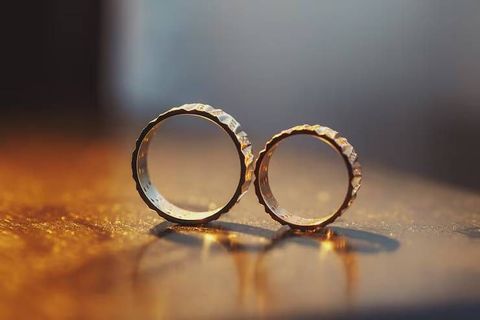
Chunky Gold Bands
Recent 2026 jewellery trends have also highlighted stronger gold profiles and more substantial bands.
Vintage-inspired rings can combine an antique-style diamond with a thicker yellow-gold or mixed-metal band, creating a contrast between historical stone characteristics and a contemporary silhouette. (vogue.com)
Bezel Settings
Bezel settings are becoming increasingly visible in contemporary vintage-inspired designs.
A bezel surrounds the outer edge of the centre stone with metal, creating a clean border. When paired with an antique-cut diamond, the setting can create a combination of historical stone character and modern structure.
Sculptural Bands
Modern jewellery designers are also exploring sculptural bands with rounded profiles, organic textures, hand-worked surfaces, and irregular forms.
These designs can reference historical craftsmanship while avoiding an exact reproduction of a particular period.
Warm Diamond Colours
Interest in warmer diamond colours has also appeared in recent engagement-ring coverage. Champagne, yellow, and brown-toned diamonds can create a softer visual palette than very white diamonds. (vogue.com)
Warm stones can work particularly well with yellow gold and other heritage-inspired jewellery combinations.
Mixing Historical and Modern Elements
Contemporary jewellery design increasingly combines historical details with modern construction.
A ring may use an antique-style centre stone with a simple modern band, or combine Art Deco geometry with a contemporary setting. This approach allows historical references to remain visible without reproducing an entire period style.
Laws or Policies
Vintage engagement rings can involve considerations related to gemstone identification, precious-metal standards, historical provenance, treatment disclosure, and accurate jewellery descriptions.
Antique and Vintage Identification
The age of a ring should be distinguished from its design influence.
A newly manufactured ring can have Victorian or Art Deco styling without being an authentic Victorian or Art Deco-period piece. Accurate terminology helps avoid confusion between historical jewellery and modern reproductions.
Diamond Documentation
Diamond documentation can provide information about characteristics such as carat weight, colour, clarity, measurements, and other identification details.
Older diamonds may have been cut according to historical methods and may not correspond directly to modern grading terminology.
Diamond Treatments
Some historical and contemporary gemstones may have undergone treatments.
When relevant, treatment information should be disclosed according to applicable requirements and documentation.
Precious-Metal Hallmarking in India
In India, applicable BIS hallmarking requirements concern the purity and identification of certain precious-metal jewellery articles.
Hallmarking is separate from the age or historical design style of a ring. A vintage-inspired design and an authentic older ring can therefore have different considerations regarding metal documentation and hallmarking.
Accurate Descriptions
Descriptions should clearly distinguish terms such as antique, vintage, vintage-inspired, period-style, and contemporary.
The description should also accurately identify the diamond or gemstone type, metal, setting structure, and any available documentation.
Tools and Resources
Several resources can help readers understand vintage engagement rings and their historical characteristics.
Gemological Reports
Gemological documentation can provide information about diamonds and gemstones.
For older jewellery, available documentation may vary depending on the age, stone, laboratory, and history of the piece.
Magnification Tools
Jewellery loupes and microscopes can help examine:
Diamond inclusions
Facet characteristics
Engraving
Milgrain details
Prong condition
Metal surfaces
Repair marks
Setting construction
Magnification can be particularly useful when studying older jewellery because small construction details can reveal information about craftsmanship and condition.
Historical Jewellery References
Books, museum collections, gemological publications, and jewellery archives can help identify characteristics associated with different periods.
Reference material can be particularly useful when comparing Victorian, Edwardian, Art Deco, and Retro design elements.
CAD Design
CAD software can recreate historical motifs in contemporary jewellery.
Designers can model filigree, geometric patterns, halos, engraved details, and other elements before creating a physical piece.
Metal and Setting Analysis
Professional jewellery examination can help assess metal composition, setting structure, gemstone characteristics, and visible signs of modification.
This can be relevant when studying older rings where repairs or alterations may have occurred over time.
Period Design Comparison
A useful comparison can include:
Diamond shape
Metal type
Setting technique
Decorative motifs
Engraving
Filigree
Gemstone colour
Symmetry
Band profile
Overall construction
These characteristics can help establish the visual relationship between a ring and a particular historical style.
FAQs
What are vintage engagement rings?
Vintage engagement rings are rings associated with historical jewellery styles or contemporary designs inspired by earlier periods. They can feature antique diamond cuts, decorative metalwork, historical motifs, and period-influenced settings.
What are the main vintage engagement ring styles?
Important styles include Victorian, Edwardian, Art Deco, and Retro. Each period has different characteristics involving metals, gemstone shapes, decorative motifs, geometry, and setting techniques.
What diamond cuts are common in vintage engagement rings?
Old Mine cuts, Old European cuts, antique cushion cuts, and other historical diamond styles are commonly associated with vintage jewellery. Modern diamonds can also be incorporated into vintage-inspired designs.
What settings work with vintage engagement rings?
Common options include halo, bezel, cluster, solitaire, three-stone, pavé, filigree, and east-west settings. The appropriate structure depends on the diamond shape and overall design.
Are vintage-inspired engagement rings still popular?
Vintage-inspired designs continue to appear in contemporary jewellery, with recent trends highlighting antique cuts, distinctive settings, warm diamond colours, substantial gold bands, and historical design references. (vogue.com)
Conclusion
Vintage engagement rings combine historical design influences, distinctive diamond cuts, decorative metalwork, and recognizable setting styles. Victorian, Edwardian, Art Deco, and Retro jewellery each provide different approaches to colour, geometry, craftsmanship, and gemstone arrangement. Recent jewellery trends have renewed interest in antique cuts, warm diamond tones, substantial gold bands, bezel settings, and combinations of historical and contemporary elements. Understanding the distinction between authentic vintage jewellery and newly created vintage-inspired designs can make it easier to appreciate the history, construction, and visual character of these rings.