Textile Dyeing Machines Overview: A Complete Guide to Basics, Process & Key Insights
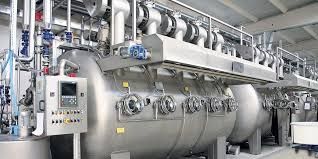
Textile dyeing machines are specialized equipment used to add color to fabrics, yarns, and fibers through controlled chemical and water-based processes. They exist because the textile industry requires consistent, repeatable, and uniform coloration to meet large-scale manufacturing standards. As production shifted from manual dyeing to automated systems, machines became essential for handling large volumes, maintaining color accuracy, managing water usage, and ensuring safety in color application.
Dyeing machines support various textile categories such as cotton, polyester, blends, wool, and technical fabrics. Their development aligns with the growing demand for high-quality textiles, modern apparel manufacturing technology, and precision-based textile engineering. High CPC keywords relevant here include industrial automation, sustainable textile processing, energy efficiency solutions, water management systems, and textile manufacturing technology. These terms relate to the larger ecosystem around dyeing equipment.
Importance
Textile dyeing machines matter today because they influence product quality, environmental impact, and production timelines. Every fabric used in apparel, home textiles, upholstery, uniforms, or accessories undergoes some form of coloration, making dyeing machines central to the global textile supply chain.
Their importance extends to several areas:
-
Environmental impact
Dyeing is traditionally water-intensive. Machines designed with low-liquor-ratio systems help reduce water usage, chemical load, and energy demand. This supports sustainable textile processing and responsible industrial practices. -
Quality consistency
Automated temperature, pressure, and flow control ensure uniform color distribution, especially in sensitive materials such as polyester, viscose, and microfibers. -
Worker safety and process stability
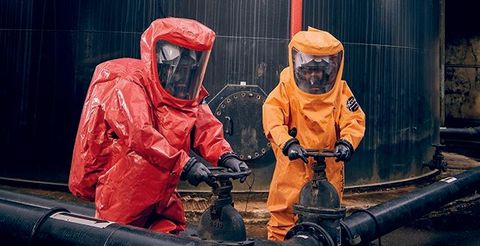
Enclosed systems reduce exposure to chemicals, hot water, and vapor. Improved automation supports safer operations and minimizes manual intervention. -
Production efficiency
Large dyeing units allow continuous operation, reducing time and minimizing batch variation—important for fashion manufacturing and export-oriented production environments. -
Global compliance needs
Many exporters must meet international standards related to wastewater norms, chemical management, and eco-friendly dyeing. Machines help industries align with these expectations.
Modern dyeing equipment supports challenges connected to climate-conscious production, eco-certifications, and efficient water management—key concerns for textile hubs in Asia, Europe, and the Americas.
Recent Updates
The past year has seen several developments affecting how textile dyeing machines are used and optimized. These updates reflect broader shifts in sustainability, digital monitoring, and industrial efficiency.
-
2024: Growth of low-liquor-ratio technology
Manufacturers have introduced systems that operate at ratios as low as 1:4, allowing significant water and energy savings. This aligns with global emphasis on conservation. -
2024–2025: Expansion of digital dyeing management
Digital controllers, IoT-based monitoring, and data logging tools became increasingly common. These tools allow real-time tracking of temperature curves, chemical dosing, and process deviations. -
Adoption of AI-based process optimization
Algorithms are being used to predict dye uptake behavior and recommend optimized dye recipes. This trend supports high CPC areas such as AI in manufacturing, smart factory solutions, and industrial data analytics. -
Shift toward sustainable auxiliaries
Textile chemistry companies released eco-optimized dyes and auxiliaries in 2024, allowing better compatibility with modern machines and reduced effluent load. -
Focus on heat-recovery systems
Growing energy-efficiency requirements encouraged factories to use heat exchangers and thermal recovery units integrated with dyeing machines.
These updates highlight the transition toward sustainable processing, clean technology, and smart manufacturing.
Laws or Policies
Several regulations and guidelines influence how textile dyeing machines are operated. While specific rules vary by country, the overall direction globally is toward environmental responsibility, chemical safety, and wastewater control.
Common policy frameworks affecting dyeing operations include:
-
Water discharge regulations
Many regions follow guidelines aligned with ISO 14001, Zero Liquid Discharge (ZLD) frameworks, and effluent treatment standards. These influence machine selection and waste-water management systems. -
Chemical safety guidelines
Compliance standards such as REACH, OEKO-TEX® requirements, and national chemical safety rules impact dye selection and compatible machine parameters. -
Energy efficiency policies
Nations encourage adoption of energy-efficient manufacturing equipment to reduce industrial power consumption. Thermal efficiency and steam usage norms guide machine optimization. -
Environmental clearance requirements
Large textile units often require environmental approvals or certifications before establishing or expanding operations. Machines must align with pollution-control norms, water usage caps, and waste-handling guidelines. -
Worker safety regulations
Occupational safety rules emphasize protective mechanisms, enclosed systems, emergency controls, and heat-protection features in dyeing environments.
These policies shape the technical and operational expectations from modern dyeing machines.
Tools and Resources
Several tools, platforms, and reference sources support textile dyeing professionals and students looking to learn more about dyeing machine operations, optimization, and sustainability.
Digital Tools and Calculators
-
Liquor Ratio Calculators – used to determine optimal water-to-fabric ratios for reduced resource consumption.
-
Dye Recipe Management Tools – help track recipes, shade matching, and process adjustments.
-
Energy-Efficiency Trackers – monitor steam usage, heating curves, and power consumption.
-
Water-Usage Estimators – useful for comparing different machine types and dyeing cycles.
Learning and Reference Platforms
-
Textile engineering e-learning portals – provide dyeing fundamentals, machine types, and chemical behavior tutorials.
-
Color theory simulators – help visualize shade formation and dye interactions.
-
Textile chemistry reference databases – useful for understanding dye classes and application behavior.
Standards and Compliance Resources
-
ISO textile standards
-
Eco-label guidelines such as OEKO-TEX® references
-
Chemical Safety Data Sheets (SDS)
These tools support knowledge building, performance monitoring, and compliance understanding.
Table: Common Types of Textile Dyeing Machines and Their Use Areas
| Dyeing Machine Type | Material Used For | Key Process Characteristics |
|---|---|---|
| Jet Dyeing Machine | Knitted fabrics, delicate materials | High agitation, low-liquor-ratio systems |
| Soft-Flow Dyeing Machine | Woven and knit fabrics | Smooth fabric handling, reduced crease marks |
| Winch Dyeing Machine | Wool, rayon, soft fibers | Gentle action, atmospheric conditions |
| Jigger Dyeing Machine | Woven fabrics | Batch processing, controlled tension |
| HTHP Dyeing Machine | Synthetic fibers like polyester | High pressure, high temperature, uniform penetration |
FAQs
What is the purpose of a textile dyeing machine?
A textile dyeing machine is designed to apply color to fibers, yarns, or fabrics under controlled conditions. It ensures consistent color quality, proper dye absorption, and safe processing without manual handling of hot liquids.
Which materials can be dyed in modern dyeing machines?
Cotton, polyester, blends, viscose, wool, acrylic, nylon, and many technical fabrics can be dyed using different machine types such as jet, soft-flow, HTHP, winch, and jigger systems.
What factors influence dyeing results?
Key factors include temperature, pH, dye concentration, liquor ratio, process time, fabric type, and machine agitation. Stable control systems help maintain repeatable outcomes.
How do modern machines support sustainability?
Machines with low-liquor-ratio designs, heat-recovery systems, automated dosing, and optimized flow paths reduce water and energy usage. They help meet environmental norms and reduce wastewater load.
Are digital tools used in dyeing operations?
Yes. Digital dashboards, IoT monitoring, recipe databases, and energy-tracking tools are increasingly used. They support efficiency improvements and better decision-making.
Conclusion
Textile dyeing machines play a central role in modern textile manufacturing by enabling consistent coloration, efficient production, and improved environmental responsibility. Their evolution reflects broader trends in sustainability, industrial automation, smart factory technology, and textile innovation.
With recent developments in low-liquor-ratio technology, digital process monitoring, and eco-aligned chemical systems, dyeing operations are becoming more efficient and environmentally conscious. Regulatory frameworks further guide safe, responsible, and high-quality dyeing practices. By understanding machine types, process fundamentals, and available tools, learners, researchers, and industry participants can better navigate the modern textile dyeing landscape.