Temperature Water Bottle Overview: Informative Guide with Tips & Advice
A temperature water bottle is designed to maintain the warmth or coolness of beverages for extended periods using thermal insulation. The concept has grown as personal hydration habits have evolved and individuals look for ways to keep their drinks at a stable temperature throughout the day. These bottles commonly use vacuum insulation, double-wall stainless steel technology, and heat-resistant materials to reduce heat transfer.
Originally, insulated bottles gained momentum in outdoor activities and travel, but in recent years they have become part of everyday routines such as office use, fitness sessions, academic environments, and long commuting. Temperature-stable hydration is now associated with convenience, health awareness, and sustainable lifestyle choices, especially as people move away from disposable bottles and prioritize durable thermal insulation products.
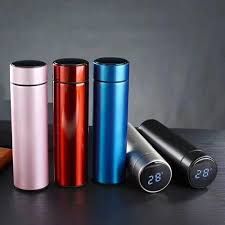
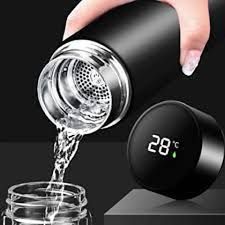
The rise of smart home ecosystems and connected devices has also encouraged interest in smart temperature water bottles that include sensors, hydration reminders, and temperature monitoring systems. These newer options align with broader trends in personal wellness tracking, environmental sustainability, and energy-efficient product design.
Importance
Temperature water bottles matter today for several reasons. One of the main reasons is their ability to support consistent hydration by keeping beverages at preferred temperatures throughout the day. Warm water is often chosen for comfort, while cold water is preferred for active routines and hot climates. Maintaining temperature without relying on external heating or cooling helps reduce energy usage and supports eco-friendly habits.
They are relevant across multiple groups:
-
Students and professionals who want beverages to remain stable during long schedules.
-
Travelers and commuters who need durable, temperature-retaining options.
-
Fitness enthusiasts who rely on cold water during extended workouts.
-
Parents who use warm-temperature bottles for children in controlled conditions.
-
Outdoor users who prioritize long-lasting insulation in variable environments.
The bottles also address common concerns associated with hydration practices:
-
Heat loss or gain leading to discomfort or unsafe drinking temperatures.
-
Exposure to environmental contaminants due to using open containers.
-
Single-use plastic waste generated from disposable bottles.
-
Thermal instability when beverages sit for long periods in warm or cold conditions.
With rising awareness of water quality standards, environmental sustainability, and personal safety, temperature water bottles contribute to reliable hydration while supporting long-term environmental responsibility.
Recent Updates
The past year has seen several changes and developments in the design and use of temperature water bottles. Key updates include technological advancements, material improvements, and consumer preference shifts.
Smart temperature bottles (2024–2025):
Models launched in 2024 and early 2025 have integrated digital temperature displays, app-based hydration tracking, and thermal sensors. These updates reflect a broader move toward data-driven health tools and temperature monitoring systems.
Sustainable and eco-friendly designs (2024):
Many brands introduced recycled stainless steel, eco-friendly powder coatings, and BPA-free materials in mid-2024 to support environmental sustainability goals. These materials are engineered to meet consumer safety standards without compromising insulation performance.
Enhanced thermal insulation technology (late 2023 to 2024):
Advanced vacuum sealing techniques and energy-efficient insulation layers became more common. These upgrades help maintain beverage temperature for longer durations while reducing heat transfer.
Rise in school and workplace hydration policies (2024):
Several institutions updated hydration guidelines encouraging reusable bottles, including insulated ones. This trend began strengthening around April–August 2024.
Public health awareness campaigns (2024–2025):
Increasing awareness around daily hydration needs, especially in warm regions, boosted interest in temperature-controlled bottles. Many public health agencies emphasized stable drinking temperatures during heatwave periods in 2024.
Laws or Policies
Temperature water bottles intersect with several regulatory areas, especially regarding safety, material quality, and environmental standards. Regulations vary by country, but certain global frameworks guide manufacturers and consumers.
-
Material Safety Standards:
Most countries require products to follow consumer safety standards related to food-grade materials, such as stainless steel grades, BPA-free plastics, and heat-resistant coatings. -
Thermal Insulation Compliance:
Some regions maintain testing procedures for vacuum-sealed containers to ensure they meet performance claims and safety expectations. These guidelines help prevent issues such as overheating, pressure buildup, or material cracking. -
Environmental Policies:
Countries focusing on sustainability encourage reusable hydration products to reduce single-use plastic waste. Environmental compliance guidelines often address recyclability, energy-efficient manufacturing, and chemical safety in coatings. -
Labeling and Transparency Requirements:
Many regions require clear labeling for water quality safety, insulation capacity, and cleaning instructions. Accurate labeling helps users understand temperature retention abilities, material properties, and safe usage practices. -
Child-Safety and School Regulations:
Some school districts and institutions regulate the types of bottles allowed on campuses. Requirements often involve leak-resistant designs, safe materials, and temperature limitations to avoid accidental burns from excessively hot liquids.
These policies collectively ensure that temperature water bottles remain safe, durable, and environmentally responsible for everyday use.
Tools and Resources
Several tools and resources can help users understand, maintain, and optimize their temperature water bottles:
-
Hydration Tracking Apps:
-
Apps that allow users to monitor daily water intake and set reminders.
-
Useful for understanding hydration patterns and maintaining consistent consumption.
-
-
Temperature Monitoring Features:
-
Smart bottles with built-in displays showing real-time temperature.
-
Helps maintain safe ranges for hot or cold beverages.
-
-
Water Quality Testing Kits:
-
Tools for checking mineral content, pH levels, and impurities.
-
Useful for ensuring water quality meets recommended standards.
-
-
Insulation Comparison Charts:
-
Online resources providing comparisons of thermal insulation performance based on material, thickness, and design.
-
Helps users understand how different products regulate temperature.
-
-
Cleaning Guides:
-
Websites and manuals offering steps for maintaining stainless steel and insulated bottles.
-
Supports long-term hygiene and durability.
-
-
Environmental Impact Calculators:
-
Platforms that estimate the reduction of waste when switching to reusable temperature water bottles.
-
Useful for sustainability-focused users.
-
These tools enhance the user experience by promoting awareness around hydration habits, environmental responsibility, and proper bottle care.
FAQs
1. How long can a temperature water bottle keep liquids hot or cold?
Most insulated bottles maintain temperature between 6 to 24 hours, depending on design, vacuum quality, and external conditions. High-grade thermal insulation typically provides longer stability.
2. What materials are safest for temperature water bottles?
Food-grade stainless steel, BPA-free plastics, and heat-resistant silicone components are commonly used. These materials support water quality safety and comply with consumer safety standards.
3. Can I store acidic or carbonated drinks in insulated bottles?
Many insulated bottles can hold such liquids, but it's recommended to check the manufacturer's material guidelines. Some acids may react with certain metal surfaces over long periods.
4. How do I clean a temperature water bottle properly?
Regular cleaning with warm water, mild soap, and a bottle brush helps maintain hygiene. Deep cleaning may involve using baking soda or diluted vinegar, depending on the material guidelines.
5. Do temperature water bottles affect water quality?
When made with food-safe materials and cleaned regularly, they maintain water quality effectively. Poor maintenance or damaged interior surfaces may affect taste or safety.
Conclusion
Temperature water bottles have become an essential part of daily hydration, providing reliable thermal insulation, convenience, and environmentally sustainable benefits. Their evolution from basic insulated containers to advanced models with digital sensors reflects changing lifestyle needs and advancements in material science. With continued focus on water quality standards, environmental sustainability, and consumer safety, these bottles play a significant role in modern hydration habits.
Users can make the most of temperature-stable hydration by understanding how insulation works, staying aware of recent innovations, following maintenance guidelines, and choosing materials that align with safety and sustainability expectations. The topic continues to evolve as new technologies, regulations, and public health priorities shape how people store and consume water in everyday life.