Talent Succession Strategy Planning: An Overview with Insights, Tips & Practical Guidance
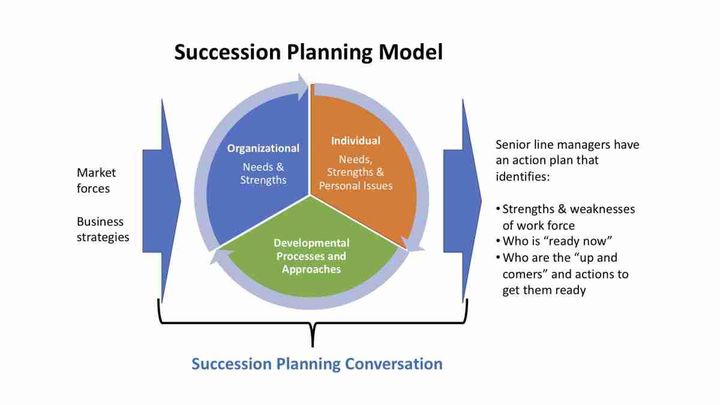
Talent succession strategy planning refers to an organized approach used by organizations to ensure that future leadership and key positions remain strong, stable, and prepared for change. It exists because all organizations face inevitable transitions—people retire, move to different roles, or shift to new career paths. Without a structured way to identify and prepare capable individuals, organizations may face disruptions that impact continuity and long-term performance.
The concept developed over several decades as workplaces became more dynamic. Early talent planning models focused mainly on leadership pipelines. Modern succession strategy planning has expanded to include critical skill roles, knowledge transfer, and long-term workforce development. This approach helps create a clear pathway for identifying potential successors, developing their abilities, and preparing them for responsibilities that may arise in the future.
Today’s environment—driven by technology, demographic changes, and evolving skill demands—makes structured planning more important than ever. Organizations use it as a strategic method to maintain stability, support growth, and protect institutional knowledge.
Importance: Why Talent Succession Strategy Planning Matters Today
Talent succession strategy planning plays a vital role in helping organizations stay resilient and future-ready. It affects leadership teams, managers, employees in growth trajectories, and sectors that depend on consistent performance. Several factors highlight its growing relevance:
Ensures Continuity in Critical Roles
Sudden transitions can cause operational delays, uncertainty, and loss of expertise. Planning helps reduce such risks by ensuring there are trained individuals ready to step into essential positions.
Supports Long-Term Workforce Sustainability
Global workforce trends—such as aging employees and competitive talent markets—make continuity planning a necessity. This is especially true in areas where specialized skills or domain knowledge are central to daily operations.
Strengthens Organizational Stability
A well-structured succession strategy promotes smoother transitions. It provides clarity for teams and decision-makers during periods of change and helps maintain momentum.
Guides Leadership Development and Skill Growth
Succession plans are linked to skill mapping, leadership development, and capability assessment. The process gives emerging talent a clear direction for improvement while helping organizations anticipate future needs.
Improves Institutional Knowledge Retention
Knowledge transfer activities, mentorship programs, and role-shadowing help reduce the risk of losing critical insights when employees move on.
Addresses Modern Workforce Challenges
Key challenges addressed include:
-
Skill shortages
-
Rapid technological transformation
-
Shifting workforce expectations
-
Global competition for expertise
-
Increased need for strategic talent forecasting
By preparing early, organizations create a dependable foundation that supports resilience and adaptability.
Recent Updates: Trends and Developments in the Past Year
Over the past year, shifting workforce patterns and global developments have influenced succession strategy planning. Recent insights include:
Greater Focus on Future Skills (2024–2025)
Organizations have started prioritizing future-ready skills such as digital literacy, data interpretation, adaptive leadership, and strategic thinking. This shift helps ensure successors are ready not only for current responsibilities but also for emerging trends.
Rise of AI-Based Assessment Tools (2024)
During 2024, several organizations adopted AI-enhanced evaluation systems to identify potential talent. These systems analyze patterns in performance, collaborative behaviour, and growth indicators.
Hybrid Work Influences (2024–2025)
As hybrid work models continue to evolve, organizations are updating their succession plans to include virtual leadership capabilities, remote coordination skills, and digital-first communication abilities.
Increased Emphasis on Diversity Alignment (2024)
Succession planning has shifted to become more inclusive. Many organizations introduced frameworks to ensure diverse representation in leadership pipelines and capability development pathways.
Knowledge Preservation Initiatives (2024–2025)
With retirements increasing in various industries, structured knowledge transfer programs became more common. These include documentation systems, mentorship circles, and digital knowledge repositories.
These updates reflect how workforce planning is becoming more proactive, data-driven, and aligned with evolving professional environments.
Laws or Policies Influencing Talent Succession Strategy Planning
Talent succession planning can be shaped by labor guidelines, workforce development policies, and organizational governance standards. These influences vary by country, but several common regulatory themes apply:
Workforce Planning Guidelines
Some regions encourage or require structured workforce planning in sectors like education, public health, and government institutions. These guidelines emphasize preparing for leadership transitions and ensuring workforce continuity.
Retirement and Pension Regulations
Policies related to retirement age influence planning timelines. Organizations must anticipate transitions based on legal age requirements and design development pathways accordingly.
Equal Opportunity and Workplace Fairness Laws
These policies ensure succession planning processes remain fair, unbiased, and inclusive. Plans must follow:
-
Anti-discrimination rules
-
Equal opportunity standards
-
Transparent evaluation frameworks
Corporate Governance Standards
In some countries, governance codes recommend maintaining a documented succession plan for senior roles, especially in large organizations or publicly regulated entities. These standards are designed to protect stability and stakeholder interests.
Data Protection Regulations
When using digital tools or analytics for succession planning, data-handling rules ensure that personal information is collected and processed responsibly.
Understanding these policies helps organizations create strategies that are fair, compliant, and aligned with local regulations.
Tools and Resources for Talent Succession Strategy Planning
Effective succession planning benefits from structured tools, digital platforms, and planning frameworks. Below are helpful resources that support analysis, development, and documentation.
Planning and Assessment Tools
-
Competency mapping templates
-
Leadership capability frameworks
-
Workforce planning dashboards
-
Potential-assessment questionnaires
-
Role-readiness evaluation forms
Digital Platforms
-
Talent analytics systems
-
Learning and development platforms
-
Competency-tracking software
-
Employee skill profile tools
-
Knowledge management systems
Knowledge Preservation Tools
-
Documentation libraries
-
Process mapping tools
-
Mentorship scheduling platforms
-
Experience-sharing forums
Succession Plan Templates
A succession plan often includes:
-
Key role profiles
-
Successor identification lists
-
Development action plans
-
Performance indicators
-
Transition timelines
Below is a simple table that illustrates a basic succession planning structure.
Succession Planning Overview Table
| Element | Description |
|---|---|
| Key Position | Role considered essential for continuity |
| Successor Profile | Skills, experience, and qualities needed |
| Potential Candidates | Individuals being evaluated |
| Development Plan | Actions to build future readiness |
| Transition Readiness | Indicators that measure preparedness |
FAQs
What is the primary goal of talent succession strategy planning?
The main goal is to ensure smooth continuity of leadership and key roles by identifying potential successors and helping them build the skills and knowledge required for future responsibilities.
How often should a succession plan be reviewed?
Plans are typically reviewed annually, though some organizations review them semi-annually depending on workforce changes or major transitions.
What factors are considered when identifying potential successors?
Factors include demonstrated performance, learning agility, leadership qualities, collaboration skills, and the ability to adapt to future challenges.
Is succession planning only for leadership roles?
No. Although leadership roles are a significant focus, succession planning also covers specialized skill positions that are crucial to daily operations.
Why is knowledge transfer important in succession planning?
Knowledge transfer helps preserve experience-based insights, prevents operational gaps, and ensures the incoming talent understands critical processes and responsibilities.
Conclusion
Talent succession strategy planning provides a structured and forward-looking approach to preparing for future organizational needs. It helps maintain continuity, supports long-term capability development, and strengthens resilience in a changing workforce landscape. As technology, demographics, and work models continue to evolve, organizations benefit from succession plans that incorporate data-driven insights, inclusive frameworks, and clear pathways for developing future talent.
By aligning planning efforts with regulatory requirements, recent trends, and effective tools, organizations can create a thoughtful approach that protects stability and encourages long-term growth. This makes succession strategy planning a valuable practice for building strong, adaptable, and future-ready teams.