Storytelling Fashion: Guide to Creative Expression and Practical Insights
Storytelling fashion is the practice of using clothing, accessories, colors, materials, silhouettes, styling, and presentation to communicate an idea or narrative. Instead of treating an outfit only as something to wear, storytelling fashion considers how visual details can represent identity, culture, history, emotions, imagination, or a particular theme.
A fashion story can be communicated through a single outfit or an entire collection. Designers, stylists, photographers, costume creators, fashion editors, museums, and independent creators can use clothing as a visual language.
For example, a collection inspired by maritime history might use navy tones, rope-like details, weathered textures, layered fabrics, and nautical shapes. The individual pieces become visual elements that help communicate the larger concept.
How a Fashion Story Is Developed
A storytelling fashion concept generally begins with an idea. This could come from a historical period, a place, a personal experience, a social theme, nature, architecture, music, literature, or an imagined world.
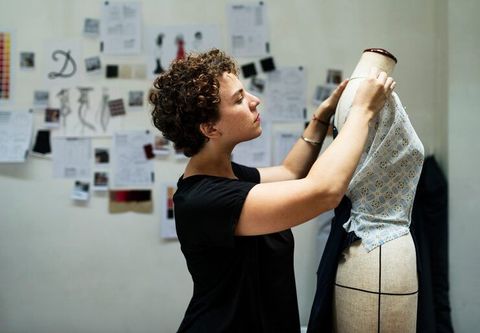
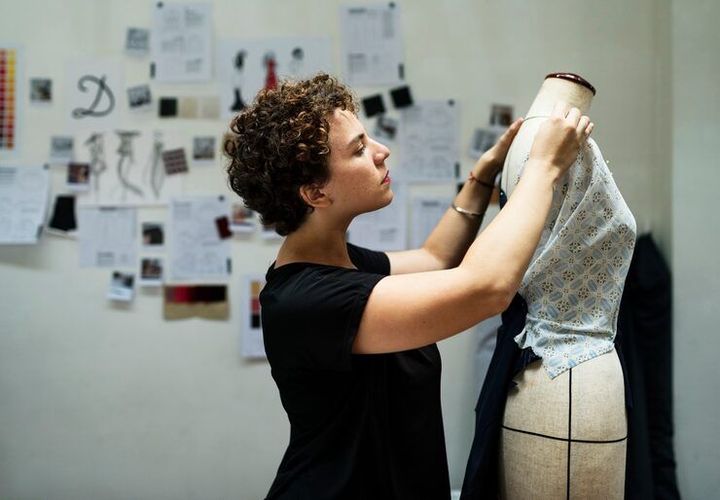
The idea is then translated into visual elements. Designers may create mood boards containing photographs, colors, textures, objects, sketches, fabrics, and references. These materials help establish a consistent visual direction.
The next stage involves selecting garments and construction details that support the concept. Silhouette refers to the overall shape of a garment, while texture describes how a material looks or feels. Color, proportion, pattern, accessories, and layering can then strengthen the narrative.
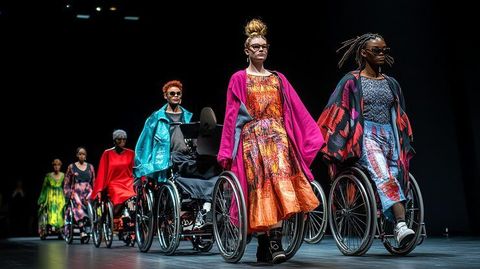
Finally, styling, photography, lighting, location, models, movement, and written descriptions can expand the story. This means the narrative is often communicated through an entire visual presentation rather than clothing alone.
Main Elements of Storytelling Fashion
Several elements commonly work together:
Theme: The central idea or subject gives the collection or outfit a clear direction.
Color palette: Selected colors can create associations with a particular place, period, atmosphere, or emotion.
Silhouette: Shapes can suggest historical periods, futuristic ideas, formal settings, movement, or cultural references.
Fabric and texture: Materials such as wool, silk, denim, leather, lace, linen, or recycled textiles can contribute to the visual character.
Pattern: Prints, embroidery, graphics, and repeated motifs can reinforce a narrative.
Accessories: Jewelry, footwear, bags, headwear, and other details can provide additional visual information.
Styling: Layering and garment combinations can connect separate pieces into one coherent concept.
Setting: Photography locations, lighting, props, and backgrounds can establish context around the clothing.
Importance
Why Storytelling Fashion Matters
Storytelling fashion provides a way to communicate ideas without relying entirely on written language. Clothing is visible in everyday life, photography, film, performances, exhibitions, and digital media, making it a useful medium for visual communication.
Fashion can also preserve cultural and historical references. Traditional garments, textile techniques, patterns, and decorative methods can communicate information about communities and periods when their context is carefully documented.
For creative professionals, a strong narrative can also help organize design decisions. When a collection has a defined concept, choices about fabric, color, shape, styling, and presentation can be connected to that central idea.
Where It Is Used
Storytelling fashion appears across many areas of the fashion and creative industries:
Fashion collections: Designers can develop a unified concept across multiple garments.
Editorial photography: Clothing, location, lighting, and styling can create a visual narrative for magazines and digital publications.
Film and television: Costume design communicates information about characters, historical periods, fictional worlds, and changes in a storyline.
Theatre and performance: Clothing can help establish character, social position, cultural context, and movement.
Museums and exhibitions: Garments can be displayed with historical and cultural interpretation.
Fashion campaigns: Visual narratives can explain the concept behind a collection or creative project.
Personal styling: Individuals can use clothing combinations to express interests, cultural references, moods, or personal identity.
Practical Creative Process
A practical storytelling fashion project can follow several connected stages.
The first stage is research. A creator gathers references related to the selected theme and checks historical, cultural, or artistic information where appropriate.
The second stage is concept development. The creator identifies the main message and determines which visual elements should communicate it.
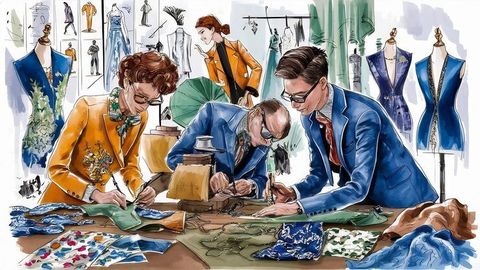
The third stage is design development. Sketches, fabric samples, color studies, garment prototypes, and styling combinations can be used to test the idea.
The fourth stage is presentation. Photography, video, runway presentation, exhibition design, or digital content can place the clothing within a larger visual environment.
The final stage is evaluation. The creator checks whether the garments and supporting visuals communicate the intended concept clearly and whether cultural references are represented accurately and respectfully.
Comparing Storytelling Approaches
| Approach | Main Focus | Common Visual Elements | Typical Application |
|---|---|---|---|
| Historical storytelling | A particular period or event | Period shapes, textiles, archival references | Costume and heritage collections |
| Cultural storytelling | Community or cultural identity | Traditional patterns, techniques, materials | Cultural fashion projects |
| Personal storytelling | Individual experiences | Personal objects, colors, photographs | Independent design |
| Fantasy storytelling | Imagined worlds | Unusual silhouettes, theatrical details | Editorials and costume design |
| Nature-based storytelling | Natural environments | Organic textures, earth-inspired palettes | Fashion collections |
| Futuristic storytelling | Future-oriented ideas | Technical fabrics, geometric forms | Conceptual fashion |
Challenges and Limitations
Storytelling fashion can become difficult when the visual concept is unclear or when too many unrelated elements are combined. A large number of colors, patterns, references, or accessories can make the intended narrative difficult to recognize.
Cultural representation requires particular attention. Using traditional clothing, symbols, religious imagery, or historical references without understanding their context can result in inaccurate or insensitive presentations.
Practical limitations also matter. Certain fabrics may be difficult to construct, some visual effects may require specialized production techniques, and elaborate settings can increase the complexity of photography or performance production.
Recent Updates
Digital Fashion and Virtual Presentation
From 2024 through 2026, digital tools have continued changing how fashion concepts are developed and presented. Three-dimensional design software, digital garment visualization, virtual environments, and augmented-reality experiences can allow designers to explore concepts before physical production.
Digital sampling can also help creators test colors, proportions, materials, and garment combinations on computer-generated models. These methods do not eliminate physical construction, but they can provide another stage for visual experimentation.
AI-Assisted Creative Development
AI tools are increasingly being used for image generation, mood-board exploration, pattern ideation, visual references, text development, and concept experimentation. Their usefulness depends on the quality of the creative direction and the accuracy of the resulting material.
Copyright, attribution, cultural representation, and originality remain important considerations when AI-generated material is incorporated into a fashion project. Human review is particularly important when historical or cultural references are involved.
Digital Product Information
Fashion storytelling is also becoming connected with product traceability and digital information. The European Union's Ecodesign for Sustainable Products Regulation establishes a framework for Digital Product Passports, which can connect products with structured information through digital data carriers.
For textile and apparel products, the European Commission identifies Digital Product Passports as part of the developing framework for greater transparency, with information potentially covering product characteristics, fibre composition, origin, repair, reuse, recycling, and relevant economic operators. The textile-specific requirements are still being developed, and the Commission's current timeline points toward a planned delegated act in 2027.
Digital and Circular Fashion Research
A 2024 European Parliament study examined the possible use of Digital Product Passports in the textile sector, particularly for traceability, circularity, and information management across the textile value chain. This illustrates how digital infrastructure is becoming connected with the wider development of fashion and textile systems.
These developments can influence storytelling by giving garments additional layers of documented information about materials, production, maintenance, and end-of-life pathways. However, the exact requirements and implementation schedules can change as technical standards and regulations develop.
Laws or Policies
Textile Labelling and Consumer Information
Fashion products can be subject to national and regional rules concerning fibre composition, textile labeling, product safety, environmental claims, intellectual property, and consumer information. Requirements differ between jurisdictions, so a fashion project intended for multiple markets may need to consider several regulatory systems.
In the European Union, textile products are subject to textile fibre-name and related labeling requirements under EU textile legislation. Additional requirements can arise from broader product and environmental legislation.
Digital Product Passport Framework
Regulation (EU) 2024/1781 established the broader EU Ecodesign for Sustainable Products framework and includes provisions for Digital Product Passports. The regulation requires applicable products to have accurate, complete, and up-to-date digital information according to the relevant delegated requirements.
The European Commission identifies textile apparel as a priority product group for future ecodesign requirements and Digital Product Passport development. The Commission currently indicates that textile-specific requirements will be established through a future delegated act.
Intellectual Property and Cultural References
Copyright, trademark, design rights, and other intellectual-property rules can affect fashion designs, photographs, graphics, logos, textile patterns, and digital content. Laws vary by country, and protection can depend on the specific creative work.
Cultural references may also require ethical consideration beyond legal compliance. A design can be legally permissible while still raising questions about cultural context, attribution, or respectful representation.
Tools and Resources
Mood-Board and Design Software
Digital mood-board platforms and design applications help creators organize photographs, colors, fabrics, sketches, typography, and references. These tools are useful during the early concept stage because they allow visual relationships to be reviewed before garment construction.
3D Fashion Design Tools
Three-dimensional garment software can simulate clothing shapes, fabrics, colors, and fit. These programs can support concept development and digital presentation while reducing the need to physically create every early-stage variation.
Digital Archives
Museum collections, library archives, fashion databases, and institutional collections can provide historical photographs, garments, documents, sketches, and textile references. Reliable archival material is especially useful when a storytelling concept is based on a particular historical period or cultural tradition.
Color and Material Tools
Color libraries, fabric swatches, textile databases, and material catalogs help creators connect the visual concept with practical garment choices. Designers can compare texture, weight, transparency, structure, and surface appearance when developing a collection.
Digital Product Information Resources
For projects involving textile traceability, regulatory information, or product data, European Commission resources on Digital Product Passports provide information about the developing regulatory framework.
FAQs
What is storytelling fashion?
Storytelling fashion uses garments, colors, fabrics, silhouettes, accessories, styling, and presentation to communicate a theme, idea, identity, or narrative. It can appear in collections, photography, film, exhibitions, and personal styling.
How does storytelling fashion work?
Storytelling fashion begins with a central concept and translates that idea into visual elements such as color, fabric, shape, pattern, accessories, location, and lighting. These elements work together to create a recognizable narrative.
Why is storytelling fashion important?
Storytelling fashion can communicate cultural, historical, personal, or imaginative ideas through visual design. It can also help designers organize creative decisions and give collections a consistent conceptual direction.
What tools are used for storytelling fashion?
Common tools include mood-board platforms, sketching applications, 3D garment software, digital photography, color libraries, fabric references, museum archives, and digital design programs.
How is AI changing storytelling fashion?
AI can assist with concept exploration, image generation, mood-board development, visual experimentation, and written descriptions. Human review remains important for originality, accuracy, copyright considerations, and responsible use of cultural or historical references.
Conclusion
Storytelling fashion uses clothing and visual design to communicate ideas, experiences, cultures, histories, and imagined concepts. Color, fabric, silhouette, pattern, accessories, styling, and presentation can work together to create a coherent narrative. From 3D design and AI-assisted experimentation to Digital Product Passports and digital archives, technology is adding new ways to develop and communicate fashion concepts. Clear research, thoughtful design decisions, and responsible treatment of cultural and historical references remain important parts of the creative process.