Steam Boilers: A Complete Guide with Key Insights and Helpful Tips
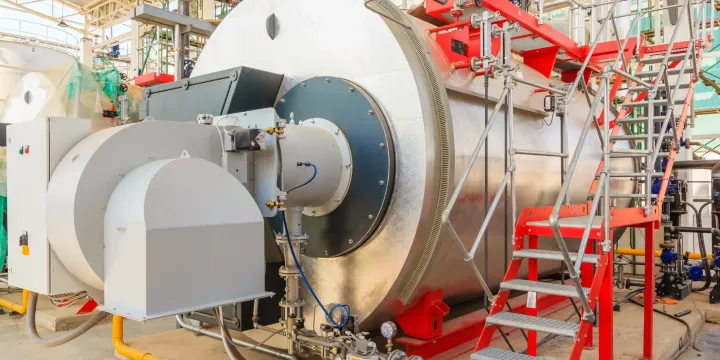
Steam boilers are closed vessels designed to convert water into steam through controlled heating. This steam is then used for various applications such as power generation, heating, food processing, textile operations, and many industrial processes. Over time, the technology behind industrial steam boilers has evolved to support better thermal efficiency, stronger safety measures, and more reliable performance across different environments.
The concept of steam generation began as a solution to mechanical work and energy transfer, and it continues to exist because of its effectiveness in moving heat, running turbines, and supporting large-scale industrial operations. The modern landscape includes a variety of systems such as water-tube boilers, fire-tube boilers, electric steam boilers, and high-pressure boiler units, each designed for specific operating needs.
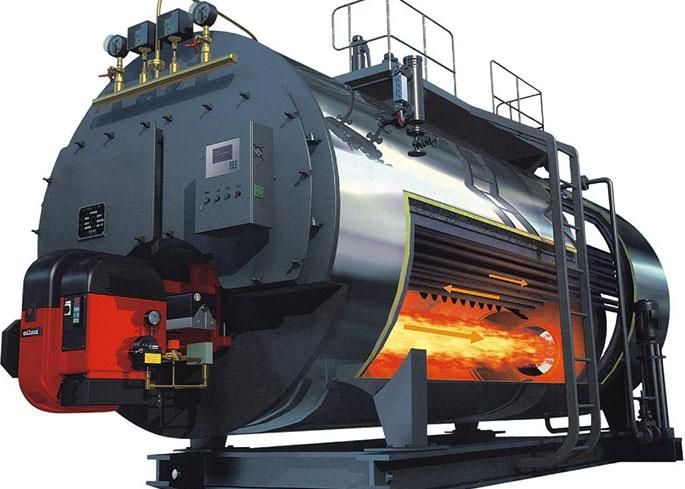
Steam boilers remain relevant because industries still rely heavily on stable heat production, controlled combustion systems, and efficient heat transfer processes. Their ability to support consistent workflows and energy optimization keeps them central in many sectors.
Importance
Steam boilers matter today due to their role in efficiency, safety, and operational reliability. They influence sectors where heat, steam pressure, and thermal management are essential. Reliable boilers ensure that industrial operations run smoothly, reduce downtime, and maintain production quality.
They address several crucial needs such as:
Supporting Industrial Operations
-
Provide continuous steam for manufacturing
-
Enable energy transfer in large-scale systems
-
Help maintain stable process temperatures
Driving Energy Optimization
Modern heat recovery solutions, fuel efficiency strategies, and advanced burner controls help reduce energy waste. Improvements in combustion management and thermal performance monitoring contribute to sustainability efforts across industries.
Enhancing Workplace Safety
Boilers operate under high pressure and temperature. Proper design and regular inspection help minimize risks, ensuring safe functioning and compliance with boiler safety standards.
Reducing Environmental Impact
Cleaner combustion systems and improved emissions control technologies support efforts to lower environmental footprints. Optimizing steam generation reduces unnecessary fuel consumption and prevents operational inefficiencies.
Supporting Infrastructure and Utilities
Steam boilers are integral to power systems, district heating setups, and various public-utility operations. They help maintain consistent energy supply where thermal output is required.
These factors highlight why steam boilers continue to be essential in modern industrial and infrastructure environments.
Recent Updates
In the past year, several developments have shaped how industries use and maintain steam boiler systems. Upgrades in automation, energy efficiency, and digital monitoring play a key role:
Adoption of Smart Monitoring
The trend toward digital boiler rooms has grown, with sensors tracking:
-
steam pressure
-
feedwater quality
-
burner performance
-
thermal efficiency levels
These updates support predictive maintenance and minimize unscheduled shutdowns.
Efficiency-Focused Enhancements
Manufacturers and industrial operations have increasingly adopted:
-
low-NOx combustion systems
-
high-efficiency economizers
-
improved insulation technologies
These updates help maintain consistent steam output while reducing fuel usage.
Growth in Electric Steam Boiler Use
Electric models have seen increased interest due to their simple operation and reduced emissions at the point of use. Their integration with renewable electricity sources has become more common.
Emphasis on Water Treatment Quality
Improved filtration and conditioning systems have gained attention due to their impact on heat-transfer performance and pressure-vessel lifespan. Reliability of feedwater quality is now viewed as a priority factor.
Advances in Safety Instrumentation
New temperature controls, automated shutdown systems, and enhanced steam-pressure regulators have been introduced to strengthen compliance with boiler operating guidelines and general safety standards.
These updates reflect the ongoing movement toward safer, more efficient, and more environmentally conscious boiler systems.
Laws or Policies
Steam boilers operate under strict safety expectations due to their pressure and temperature characteristics. While specific country rules are not mentioned, the overall framework typically includes:
Design and Manufacturing Standards
Boilers must be engineered using approved materials and tested under regulated conditions. Standards often outline:
-
maximum allowable working pressure
-
weld quality and inspection
-
structural integrity benchmarks
Industry frameworks such as pressure-vessel standards influence design and performance expectations.
Inspection and Certification Requirements
Many regions require periodic inspection of:
-
safety valves
-
pressure gauges
-
feedwater systems
-
combustion systems
These inspections ensure that equipment operates within safe limits and adheres to boiler compliance guidelines.
Operational and Maintenance Protocols
Policies emphasize proper operator training, water-treatment management, and safe startup/shutdown procedures. They encourage industries to maintain reliable logs of:
-
pressure readings
-
maintenance activities
-
test cycles for safety devices
Environmental Compliance
Boiler operations often fall under emission and pollution regulations. Expectations may relate to:
-
particulate levels
-
NOx output
-
fuel type and combustion performance
These policies help industries manage environmental impact while protecting workplace safety.
Tools and Resources
Several helpful resources support boiler management, monitoring, and educational understanding.
Technical Tools
-
Steam-load calculators for estimating required steam output
-
Thermal efficiency analyzers to track heat-transfer performance
-
Combustion analysis tools for evaluating burner operation
-
Feedwater quality testers for assessing hardness, pH, and conductivity
Monitoring and Control Systems
-
Boiler automation dashboards that display pressure, temperature, and fuel-air ratio
-
Predictive-maintenance platforms that identify operational irregularities
-
Remote monitoring software for real-time performance insights
Educational and Reference Resources
-
Engineering handbooks on heat-transfer principles
-
Boiler operation guides detailing safety and best-practice procedures
-
Online technical forums with discussions on troubleshooting and optimization
-
Training content covering pressure systems, water treatment, and combustion fundamentals
Templates and Checklists
-
Boiler inspection checklists
-
Water-treatment tracking logs
-
Preventive-maintenance schedules
-
Safety-testing documentation templates
These tools support more efficient operation, improved safety compliance, and better decision-making.
FAQs
What is the main purpose of a steam boiler?
A steam boiler generates steam by heating water within a closed vessel. This steam is used for industrial processes, power generation, heating, and other applications requiring controlled heat or mechanical energy transfer.
What affects boiler efficiency the most?
Key factors include burner performance, heat-transfer surface cleanliness, fuel-air ratio settings, insulation quality, and feedwater characteristics. Proper maintenance and energy-optimization strategies help maintain high efficiency.
Why is water treatment essential for steam boilers?
Feedwater quality affects scale formation, corrosion, and overall pressure-vessel durability. Proper conditioning improves thermal efficiency, protects internal components, and reduces operational disruption.
How often should a steam boiler be inspected?
Inspection frequency depends on operating conditions and regulatory expectations. Routine internal and external checks help verify safety, pressure control, and functioning of key components.
What safety devices are typically found on steam boilers?
Common devices include safety valves, pressure gauges, low-water cutoffs, flame detectors, and temperature controllers. These components help maintain safe operation and reduce risk.
Conclusion
Steam boilers remain an essential element of modern industrial systems, supporting consistent heat generation, energy transfer, and process stability. Their continued relevance is driven by the need for reliable steam output, improved thermal efficiency, and adherence to established boiler safety standards. Recent advancements such as automated controls, smart monitoring, and enhanced combustion systems contribute to safer and more efficient boiler rooms.
With strong compliance frameworks, developing technology, and readily available tools for maintenance and monitoring, steam boilers continue to evolve in ways that address both operational needs and environmental considerations. Their role in industry remains significant, backed by continuous improvements in energy-optimization practices and system reliability.