Solar Water Heaters: Complete Guide to Types, Benefits, Working, Installation, and Maintenance (2026)
Hot water is a daily necessity for bathing, cleaning, cooking, and household chores. Traditional water heating systems often rely on electricity or gas, which can increase monthly utility costs and consume non-renewable energy. Solar water heaters provide an alternative by using sunlight to heat water, making them an energy-efficient and environmentally friendly option for many homes and buildings.
As renewable energy becomes more common, solar water heating has gained popularity because it can reduce dependence on conventional energy sources while providing a reliable supply of hot water throughout the year in suitable climates.
This guide explains how solar water heaters work, their different types, benefits, limitations, installation considerations, maintenance requirements, and how to choose the right system for your needs.
What Is a Solar Water Heater?
A solar water heater is a system that captures energy from sunlight and uses it to heat water for residential, commercial, or industrial use. Instead of generating electricity, these systems convert solar thermal energy directly into heat.
The heated water is stored in an insulated tank and supplied to bathrooms, kitchens, or other outlets when needed. Most systems are designed to work alongside conventional water heaters so hot water remains available during cloudy weather or periods of high demand.
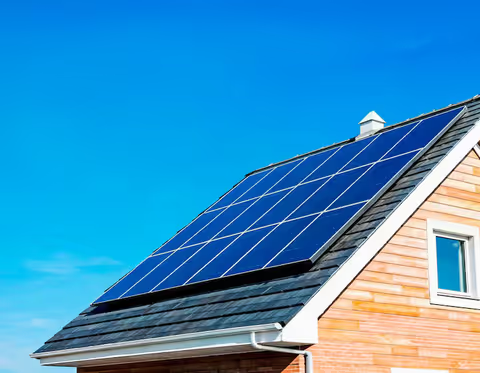
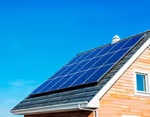
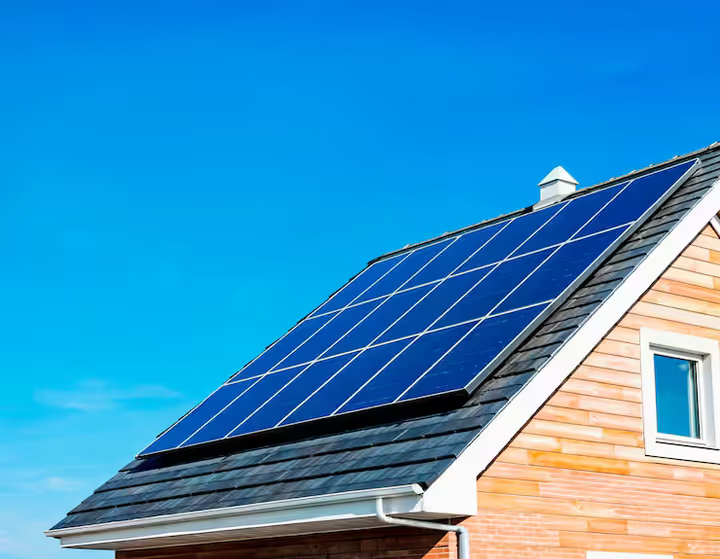
Solar water heaters are commonly installed on rooftops or open areas where they receive maximum sunlight exposure.
How Solar Water Heaters Work
A solar water heating system collects sunlight through specially designed panels known as solar collectors. These collectors absorb solar radiation and transfer the heat to water or a heat-transfer fluid circulating through the system.
The heated water then moves into an insulated storage tank where it remains warm until it is needed.
The basic working process includes:
Solar collectors absorb sunlight.
Heat transfers to water or a circulating fluid.
Warm water flows into an insulated storage tank.
Hot water is delivered through household plumbing when required.
A backup heating system may activate if solar energy is insufficient.
This simple process allows households to use solar energy without converting it into electricity first.
Main Components of a Solar Water Heater
A solar water heating system includes several essential components that work together efficiently.
Solar Collectors
Collectors capture sunlight and convert it into heat. They are the most visible part of the system and are usually installed on rooftops facing the direction that receives the most sunlight.
Storage Tank
The insulated tank stores heated water and helps maintain its temperature for several hours, reducing heat loss.
Circulation System
Pipes circulate water or heat-transfer fluid between collectors and the storage tank.
Controller and Sensors
Some systems use temperature sensors and automatic controllers to regulate water circulation and optimize heating efficiency.
Backup Heater
An electric or gas backup heater ensures hot water availability during rainy days, winter conditions, or extended periods without sufficient sunlight.
Types of Solar Water Heaters
Different solar water heaters are designed for different climates, budgets, and household needs.
1. Flat Plate Collector Solar Water Heater
Flat plate collectors consist of an insulated box with a dark absorber plate beneath a transparent cover.
These systems:
Work well in warm and moderate climates.
Are durable and commonly used for homes.
Require relatively low maintenance.
2. Evacuated Tube Collector Solar Water Heater
Evacuated tube collectors use multiple glass tubes with vacuum insulation to reduce heat loss.
Advantages include:
Higher efficiency during cold weather.
Better performance in regions with lower temperatures.
Improved heat retention.
3. Active Solar Water Heater
Active systems use electric pumps to circulate water or heat-transfer fluid.
Features include:
Suitable for larger buildings.
Better control over water circulation.
Higher installation complexity.
4. Passive Solar Water Heater
Passive systems rely on natural water circulation without pumps.
Benefits include:
Fewer moving parts.
Lower maintenance requirements.
Reliable operation during power outages in many designs.
Types Based on Water Circulation
Solar water heaters are also categorized by how water moves through the system.
| System Type | How It Works |
|---|---|
| Direct circulation | Water flows directly through collectors and into the storage tank. |
| Indirect circulation | A heat-transfer fluid absorbs heat before warming water through a heat exchanger. |
| Thermosiphon system | Natural convection moves hot water upward into the storage tank. |
| Pumped circulation system | Pumps actively circulate water for controlled heating. |
The right circulation method depends on climate conditions and installation design.
Benefits of Installing a Solar Water Heater
Solar water heaters offer several practical and environmental benefits.
Lower Energy Consumption
A significant portion of household energy is often used for water heating. Solar systems reduce the need for electricity or gas by using sunlight as the primary heat source.
Environmentally Friendly Heating
Solar thermal systems reduce greenhouse gas emissions because they rely on renewable solar energy instead of fossil fuels.
Reliable Hot Water Supply
Properly designed systems provide consistent hot water during sunny conditions and often include backup heating for additional reliability.
Long Service Life
Quality solar water heaters can operate efficiently for many years with proper installation and regular maintenance.
Low Operating Costs
Once installed, operating expenses are generally limited to occasional maintenance and inspections.
Where Solar Water Heaters Are Commonly Used
Solar water heaters are suitable for various applications beyond individual homes.
Common uses include:
Residential houses and apartments.
Hotels and guest houses.
Hospitals and healthcare facilities.
Schools and colleges.
Restaurants and commercial kitchens.
Industrial facilities requiring warm water.
Swimming pools and recreational centers.
Their versatility makes them suitable for both small and large-scale hot water needs.
Factors That Affect Solar Water Heater Performance
Several environmental and installation factors influence system efficiency.
Sunlight Availability
The amount of direct sunlight received throughout the day significantly affects heating performance.
Collector Orientation
Collectors should face the direction that receives maximum sunlight and be installed at an appropriate tilt angle.
Roof Shading
Trees, neighboring buildings, and other obstacles can reduce solar exposure and system efficiency.
Climate Conditions
Solar water heaters work in many climates, but colder regions may require evacuated tube collectors or indirect circulation systems.
Household Water Usage
Larger families generally require larger storage tanks and greater collector capacity.
Choosing the Right Solar Water Heater
Selecting an appropriate solar water heater depends on household requirements rather than simply choosing the largest system.
Consider these factors:
Household Size
Estimate daily hot water consumption based on the number of people living in the home.
Climate
Choose collector technology suitable for local weather conditions.
Roof Space
Ensure sufficient roof area for installing collectors without shading.
Water Quality
Areas with hard water may benefit from systems designed to minimize mineral scaling.
Storage Capacity
The storage tank should match typical daily hot water usage to avoid shortages or unnecessary energy loss.
Installation Considerations
Proper installation plays a major role in long-term performance.
Roof Strength
The roof should support the weight of collectors and a filled storage tank if rooftop-mounted.
Plumbing Integration
The system connects to existing household plumbing while maintaining proper insulation and water flow.
Safety Components
Pressure relief valves, insulation, and temperature controls improve safety and efficiency.
Professional Installation
Correct pipe sizing, collector positioning, and leak prevention help maximize system lifespan.
Maintenance Tips for Solar Water Heaters
Solar water heaters require less maintenance than many traditional heating systems, but routine care improves performance.
Regular Collector Cleaning
Dust, leaves, and dirt can reduce sunlight absorption. Cleaning collectors periodically helps maintain efficiency.
Inspect Pipes and Connections
Check for leaks, corrosion, or damaged insulation around plumbing connections.
Flush the Storage Tank
Mineral deposits may accumulate inside the tank over time, especially in hard water areas.
Check Valves and Pumps
Active systems should have pumps and controllers inspected periodically for proper operation.
Annual Inspection
A yearly inspection helps identify wear, scaling, insulation damage, or other issues before they become significant problems.
Common Problems and Their Solutions
| Problem | Possible Cause |
|---|---|
| Water not heating properly | Dirty collectors, insufficient sunlight, or circulation issues. |
| Reduced water flow | Mineral buildup or blocked pipes. |
| Heat loss overnight | Damaged insulation or storage tank issues. |
| Leaks around connections | Loose fittings or worn seals. |
| Backup heater activates frequently | High hot water demand or poor solar exposure. |
Many issues can be prevented through routine maintenance and proper installation.
Solar Water Heater vs Electric Water Heater
| Feature | Solar Water Heater | Electric Water Heater |
|---|---|---|
| Energy source | Sunlight | Electricity |
| Operating energy use | Lower during sunny conditions | Higher depending on usage |
| Environmental impact | Uses renewable energy | Depends on electricity source |
| Maintenance | Periodic cleaning and inspection | Tank and heating element maintenance |
| Backup heating | Often included | Primary heating method |
Both systems have advantages, but solar water heaters can reduce conventional energy usage when sunlight is available.
Solar Water Heater vs Solar Panels
People often confuse solar water heaters with solar photovoltaic panels.
| Solar Water Heater | Solar Panels |
|---|---|
| Produces hot water. | Produces electricity. |
| Uses solar thermal energy. | Uses photovoltaic technology. |
| Includes collectors and storage tank. | Includes PV modules and inverter. |
| Designed specifically for water heating. | Can power appliances and electric systems. |
Both technologies use sunlight but serve different purposes.
Energy Efficiency and Sustainability
Solar water heaters contribute to sustainable living by reducing demand for conventional energy sources used for water heating.
Environmental benefits include:
Reduced carbon emissions.
Lower reliance on fossil fuels.
Efficient use of renewable solar energy.
Support for energy conservation goals.
For households interested in renewable energy, solar water heating is often one of the simplest ways to reduce energy consumption.
Is a Solar Water Heater Suitable for Every Home?
Solar water heaters work well in many regions, but suitability depends on local conditions.
They are generally a good option when:
The roof receives several hours of direct sunlight daily.
Hot water is needed regularly throughout the year.
Adequate installation space is available.
The plumbing system can accommodate solar integration.
Homes with heavy shading or limited roof space may experience lower efficiency unless alternative installation locations are available.
Frequently Asked Questions
Do solar water heaters work during cloudy weather?
Yes. They can still heat water during cloudy conditions, although efficiency may decrease. Many systems include a backup heater for consistent hot water.
Can a solar water heater be used in winter?
Yes. Evacuated tube collectors and indirect circulation systems are designed to perform effectively in colder temperatures.
Does a solar water heater need electricity?
Passive systems generally do not require electricity for water circulation. Active systems use pumps and controllers that require electrical power.
How long does heated water stay warm?
Insulated storage tanks help retain heat for several hours, and many systems provide warm water well into the evening depending on usage and weather conditions.
Can hard water affect solar water heaters?
Yes. Hard water can lead to mineral scaling inside pipes and storage tanks. Periodic flushing and maintenance help reduce buildup.
Conclusion
Solar water heaters offer a practical and energy-efficient way to provide hot water using renewable solar energy. By capturing sunlight and converting it directly into heat, these systems reduce dependence on conventional electricity or gas while supporting more sustainable household energy use.
Understanding the different types of solar water heaters, how they work, installation requirements, and maintenance practices helps homeowners choose a system that matches their climate, household size, and daily water needs. While performance depends on sunlight availability and proper installation, regular maintenance and thoughtful system design can provide reliable hot water for many years.
As energy efficiency and renewable technologies continue to grow in importance, solar water heaters remain a valuable solution for households and buildings seeking dependable hot water with lower long-term energy consumption.