Understanding Building Materials Used in Bangladesh: Types, Uses, and Selection Guide
Building materials play a central role in Bangladesh's residential construction, commercial development, infrastructure projects, and urban expansion. From traditional brick houses to modern reinforced concrete buildings, the materials used in construction influence structural strength, durability, comfort, and long-term maintenance.
Choosing suitable building materials requires an understanding of local climate conditions, soil characteristics, structural requirements, availability, durability, and maintenance needs. Bangladesh experiences a humid subtropical and tropical monsoon climate, with heavy seasonal rainfall, high humidity, and, in many areas, exposure to flooding or cyclones. These conditions make material selection particularly important for long-term building performance.
Common construction materials include bricks, cement, concrete, steel reinforcement, sand, aggregates, timber, glass, and roofing products. Each serves a specific purpose, and the best combination depends on the building's design, location, intended use, and applicable construction standards.
Common Types of Building Materials Used in Bangladesh
1. Bricks and Clay Products
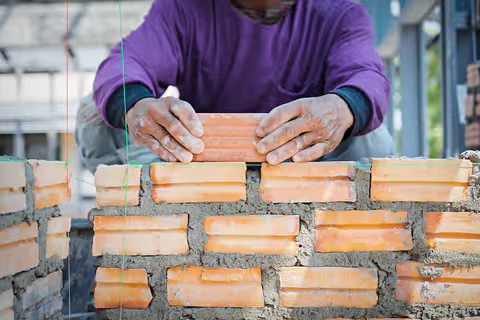
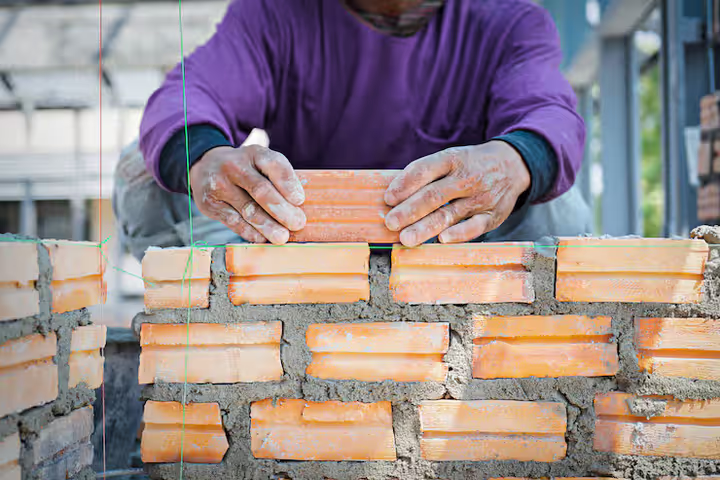
Bricks are widely associated with traditional construction in Bangladesh. They are commonly used in masonry walls, partitions, boundary walls, and certain other building applications. Clay bricks are valued for their established construction methods, availability in many areas, and compatibility with familiar masonry techniques.
However, brick quality can vary according to the raw materials, manufacturing process, and firing conditions. Poorly manufactured bricks may have inconsistent dimensions, lower strength, or greater water absorption, affecting the quality of the finished structure.
Brick production can also create environmental concerns, including fuel consumption, air pollution, and pressure on natural resources. Alternatives such as concrete blocks and other masonry products may be suitable for some projects, depending on engineering requirements and local availability.
When selecting bricks, builders should consider strength, dimensional consistency, water absorption, and suitability for the intended application. Proper mortar preparation, wall detailing, and protection from moisture are equally important.
2. Cement
Cement is a key binding material in modern construction. When mixed with water and appropriate aggregates, it forms cement-based mixtures used in concrete and mortar.
In Bangladesh, cement is commonly used for foundations, columns, beams, slabs, masonry work, plastering, and other construction activities. Different cement types and formulations serve different purposes, so the selection should follow the structural design and relevant technical specifications.
Cement quality can be affected by moisture exposure, storage conditions, and handling. Bags should be kept in a dry, protected location and used according to recommended storage practices. Cement that has hardened because of moisture exposure should not be treated as suitable for structural work without proper assessment.
Correct mixing proportions, adequate curing, and proper workmanship are essential for achieving the intended strength and durability of cement-based construction.
3. Concrete
Concrete is one of the most important materials used in contemporary buildings and infrastructure in Bangladesh. It generally consists of cement, water, fine aggregate, coarse aggregate, and, where required, suitable admixtures.
Reinforced concrete combines concrete with steel reinforcement to help structural members resist different types of loading. It is commonly used in foundations, columns, beams, floor slabs, staircases, and other structural components.
Concrete performance depends on several factors, including mix design, material quality, water content, placement, compaction, curing, and environmental exposure. Excess water can reduce strength and increase permeability, while inadequate compaction can leave voids that weaken the finished concrete.
In regions exposed to heavy rainfall, flooding, or moisture, suitable concrete quality and protective detailing are particularly important. Structural concrete should be designed and placed under the supervision of qualified professionals according to applicable engineering standards.
4. Steel and Reinforcement Bars
Steel is widely used in reinforced concrete structures, structural frames, roofing systems, and industrial construction. Reinforcement bars help concrete members resist tensile forces that concrete alone cannot adequately withstand.
Steel selection depends on strength requirements, ductility, dimensions, applicable standards, and compatibility with the structural design. Material certification and quality checks help establish whether reinforcement meets the specified requirements.
Corrosion is an important consideration in Bangladesh because humidity, water exposure, and, in coastal areas, salt can accelerate deterioration under unsuitable conditions. Steel reinforcement should be stored and handled to minimize contamination and corrosion, while concrete cover and appropriate detailing help protect embedded steel.
For structural applications, engineers should specify the required grade and reinforcement arrangement rather than relying only on appearance or general descriptions.
5. Sand and Aggregates
Sand and aggregates are essential ingredients in concrete, mortar, and several other construction materials. Fine aggregate is used in mortar and concrete mixtures, while coarse aggregate provides bulk and contributes to concrete strength and stability.
Material properties influence the workability, strength, and durability of the finished product. Important characteristics include particle size, grading, cleanliness, shape, and the presence of unwanted substances.
Using unsuitable sand or contaminated aggregates can affect bonding, increase water demand, or reduce the performance of cement-based mixtures. Material selection should therefore follow project specifications and appropriate testing.
Responsible sourcing is also important because excessive or poorly managed extraction of natural sand and aggregates can damage river systems, ecosystems, and surrounding communities.
6. Timber and Engineered Wood
Timber is used in doors, window frames, furniture, temporary formwork, interior finishes, and certain structural applications. Its usefulness depends on the wood species, moisture content, strength characteristics, and intended exposure.
In Bangladesh's humid climate, timber can be vulnerable to fungal decay, termites, moisture-related movement, and warping. Proper seasoning, suitable protective treatment, ventilation, and appropriate detailing can help reduce these problems.
Engineered wood products, such as plywood and other manufactured panels, are used for cabinetry, interior work, partitions, and construction formwork. Their suitability depends on the product's grade, adhesive system, moisture resistance, and intended use.
Timber and wood products should be selected according to the conditions they will experience, particularly where repeated wetting or direct ground contact is possible.
7. Glass, Aluminium, and Modern Finishing Materials
Glass and aluminium are increasingly visible in commercial buildings, apartments, offices, and contemporary residential designs. Glass is used in windows, doors, partitions, and facades, while aluminium is commonly used for window frames, doors, and other architectural components.
These materials can support natural lighting, modern design, and relatively lightweight construction. However, their performance depends on product specifications, installation quality, and appropriate detailing.
In Bangladesh, building designers should consider solar heat gain, glare, rain penetration, wind loads, and the risk of water entering through poorly sealed openings. Suitable glass types, weather seals, drainage provisions, and secure fixing systems help improve performance.
Floor tiles, paints, waterproofing membranes, and wall finishes also influence the building's appearance, maintenance requirements, and resistance to moisture.
How Bangladesh's Climate Influences Material Selection
Climate is a major factor in choosing construction materials. High humidity and monsoon rainfall can increase the risk of moisture penetration, corrosion, mold, and deterioration when buildings are poorly designed or maintained.
Waterproofing, drainage, roof detailing, and appropriate material protection are therefore important considerations. Foundations and ground-level construction should account for site conditions, groundwater, and potential flooding.
In coastal areas, salt exposure can increase corrosion risks for steel and reinforced concrete. Materials and protective systems should be selected according to the actual exposure conditions rather than applying the same specification to every location.
Cyclone-prone areas require particular attention to structural stability, roof connections, openings, and resistance to wind forces. Building materials alone cannot ensure safety; the design, connections, workmanship, and compliance with applicable building codes are equally important.
Traditional and Modern Building Materials
Traditional materials such as fired clay bricks and timber remain relevant in many construction settings because established skills and supply networks support their use. Modern alternatives include concrete blocks, engineered products, improved insulation materials, and advanced waterproofing systems.
Concrete blocks may reduce some wall-construction requirements depending on their size, weight, and design. Engineered materials can offer consistent dimensions or specialized performance, while insulation and reflective roofing products can improve indoor comfort when properly selected and installed.
No material is automatically superior in every situation. A suitable comparison should consider structural performance, thermal comfort, durability, maintenance, environmental impact, availability, and compatibility with other building components.
Designers should also consider the complete building system. For example, a wall's performance depends not only on the masonry unit but also on mortar, plaster, insulation, waterproofing, openings, and construction quality.
Factors to Consider When Selecting Building Materials
Selecting building materials begins with understanding the project's purpose and technical requirements. A residential building, warehouse, school, and coastal structure may need different material properties.
The following factors help guide the decision:
Structural performance: Materials must meet the strength and serviceability requirements established by the building design.
Durability: Consider exposure to moisture, sunlight, chemicals, abrasion, corrosion, and repeated loading.
Local suitability: Evaluate material availability, transportation requirements, workmanship, and compatibility with local construction practices.
Maintenance: Consider how often surfaces, protective coatings, joints, and building components may require inspection or repair.
Environmental impact: Examine resource use, manufacturing emissions, waste generation, and opportunities for responsible sourcing or reuse.
Regulatory compliance: Confirm that materials meet applicable Bangladesh building regulations, project specifications, and relevant technical standards.
Material testing, supplier documentation, and professional inspection can help verify quality before materials are incorporated into a building.
Conclusion
Building materials used in Bangladesh range from traditional clay bricks and timber to reinforced concrete, steel, glass, aluminium, and modern construction products. Each material has distinct properties, applications, limitations, and maintenance requirements.
The country's humid climate, monsoon rainfall, and regional exposure to flooding, cyclones, or salt-laden air make careful material selection particularly important. Durable construction depends on combining appropriate materials with sound structural design, proper installation, moisture protection, and regular maintenance.
By evaluating material quality, local conditions, environmental impact, and applicable building standards, property owners and construction professionals can make better-informed decisions. A building's long-term performance ultimately depends on how well its materials, design, and construction methods work together.