Smart Door Locks Explained: Essential Overview, Features, Insights & Practical Guide
Smart door locks are modern digital locking systems that use technologies such as encrypted wireless access, authentication features, and remote monitoring to secure entry points. They were developed to address limitations of traditional mechanical locks, which rely solely on physical keys and face challenges like lost keys, unauthorized duplication, and limited access control.
With the growth of home automation and connected devices, smart locks became part of a broader security ecosystem that includes sensors, smart cameras, alarm systems, and cloud-based access management. Their purpose is to provide users with more convenient ways to control and monitor entry points while maintaining strong digital protection through secure encryption, real-time alerts, and authentication protocols.
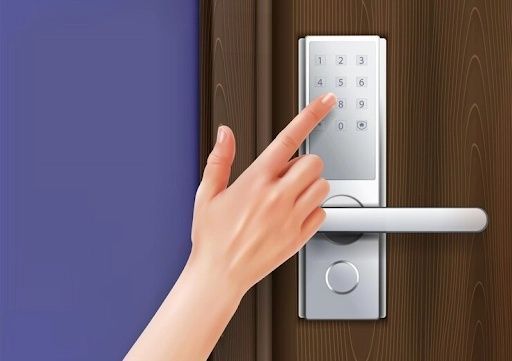
Smart door locks exist to support safer access environments across homes, offices, rental spaces, and shared living settings. They integrate with high-security technologies such as biometric authentication, PIN-based access, secure mobile credentials, and cloud logs that help individuals better understand and manage who enters their spaces.
Importance
Smart door locks matter today because physical security needs are evolving. Many households and organizations rely on digital tools to improve control, accountability, and visibility. The rise of connected ecosystems and the need for secure authentication methods have made these devices relevant for individuals who want enhanced monitoring, encryption-based protection, and convenient access management.
These locks support multiple groups, including:
-
Residents, who benefit from remote access features and secure entry logs.
-
Office users, who rely on controlled access to designated areas.
-
Property managers, who need simplified access approval for multiple users.
-
Shared-accommodation occupants, who require flexible authorization without physical key exchanges.
Modern smart locks help address several challenges:
-
Lack of access visibility in traditional locks
-
Risk of unauthorized duplication of physical keys
-
Difficulty granting temporary access to trusted individuals
-
Limited authentication methods with mechanical locks
-
Need for real-time security alerts
They also align with broader digital security practices by promoting stronger authentication and encrypted communication between devices and servers. This supports overall data integrity and reduces vulnerabilities related to unauthorized access attempts.
Recent Updates
The past year has seen several important developments in smart door lock technology, reflecting changes in security standards, connectivity improvements, and user expectations.
Key updates from 2024–2025 include:
-
Matter Compatibility Expansion (2024): Many newer smart locks have integrated Matter support, allowing interoperable communication across major platforms like Google Home, Amazon Alexa, and Apple Home. This development simplified device setup and improved encrypted communication channels.
-
Biometric Security Enhancements (2024): Upgraded fingerprint sensors have improved accuracy, reducing false rejections and expanding compatibility with more skin types and weather conditions.
-
Advanced Encryption Protocols (2025): Several manufacturers began adopting stronger encryption methods, such as upgraded AES-based communication standards, for secure key exchange between mobile apps and the lock.
-
Power-Efficient Locking Mechanisms (2024): Battery optimization improved, enabling extended operation even in heavy-use environments.
-
Cloud-Based Access Alerts (2025): Enhanced server-side monitoring features allow for more precise tracking of attempted entries, lock-status updates, and access-history logs.
These updates reflect broader trends in digital security, emphasizing authentication strength, encrypted access control, cross-platform compatibility, and energy-efficient operation.
Laws or Policies
Smart door locks interact with various national and regional regulations related to data privacy, digital security, and electronic device standards. These policies help ensure that connected security devices maintain responsible handling of user information and meet compliance expectations.
Key areas influenced by policies include:
-
Data protection laws: Many countries apply rules similar to the GDPR or national data-privacy acts, requiring companies to manage user data responsibly and secure access logs through encrypted channels.
-
Telecommunication and wireless standards: Smart locks using Wi-Fi, Bluetooth, or Zigbee must comply with local radio-frequency regulations to safely operate within approved frequency bands.
-
Cybersecurity guidelines: Some regions encourage adherence to cybersecurity frameworks that promote secure firmware updates, strong authentication requirements, and protection against unauthorized network access.
-
Building and safety standards: Smart locks used in residential or commercial buildings must align with mechanical safety requirements, ensuring that doors remain safe to operate even with electronic components.
-
Accessibility rules: Certain environments require features that support universal design, such as easier unlocking methods or compatibility with assistive technologies.
These regulations ensure that digital locking systems follow responsible design principles, protect user data, and promote safe operation in real-world settings.
Tools and Resources
Several tools and digital resources help users better understand, manage, or configure smart door locks. These tools support encrypted access control, device setup, monitoring, and troubleshooting.
Useful resources include:
-
Mobile authentication apps: Provide secure PIN setup, biometric unlocking, and encrypted credential management.
-
Smart-home ecosystem apps: Platforms such as Apple Home, Google Home, and other automation hubs enable integrated lock controls and real-time entry notifications.
-
Security audit checkers: Tools that help analyze Wi-Fi networks, authentication settings, or overall digital security hygiene.
-
Battery-monitoring dashboards: Show battery health, estimated remaining operation time, and alerts for replacement needs.
-
Firmware update tools: Maintain secure performance by installing verified, encrypted updates.
-
Access-log viewers: Offer insights into entry history, attempted unlocks, and authorized user activity.
These resources give users better visibility into device status, authentication workflows, and digital protection layers.
Key Features of Smart Door Locks
Smart door locks have multiple functional features that enhance security and convenience. These characteristics support encrypted communication, authentication accuracy, and operational reliability.
Common Smart Lock Features
-
Biometric access such as fingerprint authentication
-
PIN access with customizable codes
-
Mobile-based unlocking through encrypted apps
-
Remote monitoring for lock status
-
Auto-locking mechanisms for added protection
-
Tamper alerts for suspicious activity
-
Access logs for visibility
-
Integration with automation systems
Feature Comparison Table
| Feature Type | Description | Typical Use Case |
|---|---|---|
| Biometric Authentication | Fingerprint-based access for quick unlocking | Homes, personal rooms |
| PIN Code Access | Numeric entry for flexible user control | Offices, shared spaces |
| App-Enabled Unlocking | Secure mobile credential access | Remote entry, travel situations |
| Auto-Locking | Automatic closure after entry | Busy households |
| Tamper Alerts | Notifications for forced attempts | High-security areas |
| Cloud Logs | History of all access attempts | Oversight and monitoring |
Technology Insights
Smart locks function through a combination of hardware and digital security components. Their core technologies include encrypted communication modules, authentication sensors, and secure processors.
Important technology insights:
-
Encryption protocols protect data exchanged between devices.
-
Secure processing chips handle user credentials and lock operations.
-
Wireless communication modules enable integration with networks.
-
Mechanical components ensure physical reliability along with digital features.
-
Redundancy methods such as backup unlocking options maintain usability during power loss.
These insights highlight the role of cybersecurity principles within physical security systems.
FAQs
What makes smart door locks different from traditional mechanical locks?
Smart door locks incorporate digital authentication, encrypted access control, and remote monitoring features, providing greater visibility and flexible user management compared to mechanical locks.
How do smart locks maintain security during power or network interruptions?
Most models include internal batteries and backup unlocking methods such as physical keys, PIN access, or emergency power contacts to keep the lock functional.
Are smart locks compatible with major digital ecosystems?
Many modern locks support platforms such as Google Home, Apple Home, or Matter-enabled devices, allowing unified management under one interface.
Do smart locks store access information securely?
Access logs and authentication data are typically stored using encrypted storage methods, following privacy and data-protection guidelines.
Can smart door locks integrate with automation systems?
Yes, many smart locks work with automation platforms, enabling features like routine-based locking, entry notifications, or integration with broader security setups.
Conclusion
Smart door locks represent an evolution in physical protection, combining mechanical reliability with digital security technologies such as encrypted authentication, biometric identification, and remote monitoring. They provide better visibility, flexibility, and control for individuals managing entry points in homes, offices, and shared environments.
Recent advancements have strengthened encryption standards, improved interoperability through Matter connectivity, and enhanced biometric accuracy. Alongside these improvements, data-privacy policies and wireless-standard regulations continue to guide responsible practices.