A Complete Overview of Bamboo Furniture: Basics, Information & Helpful Resources
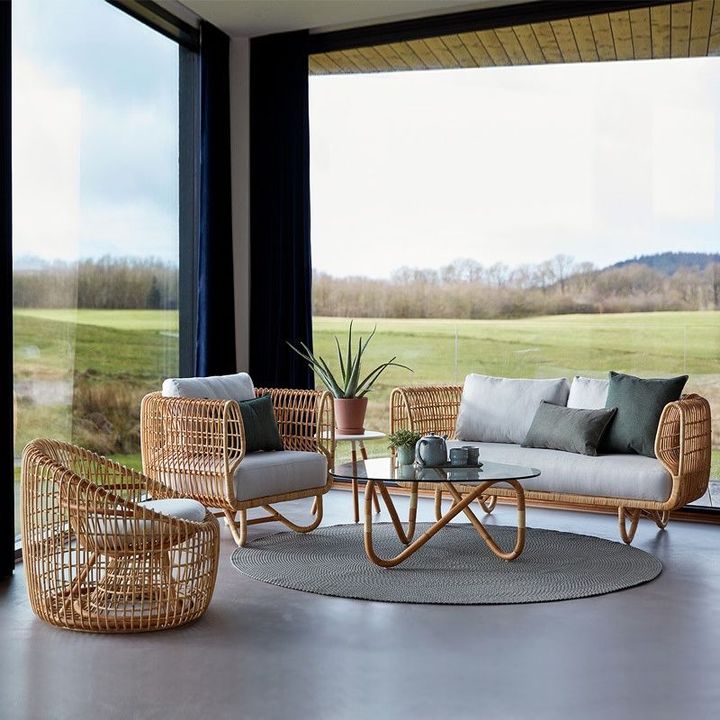
Bamboo furniture refers to household and commercial furnishings made from bamboo, a fast-growing grass known for its strength, flexibility, and natural appearance. It is widely used for chairs, tables, shelves, room décor, and outdoor setups. The topic has grown in relevance as people explore sustainable materials, eco-friendly interior design, and renewable resources that reduce environmental pressure.
The interest in bamboo furniture exists because bamboo grows significantly faster than hardwood trees and regenerates naturally without replanting. This makes it an appealing option in discussions about climate-friendly materials and green building trends. Modern processing techniques—such as laminated bamboo boards, engineered bamboo panels, and treated bamboo poles—have expanded its use from traditional crafts to durable interiors.
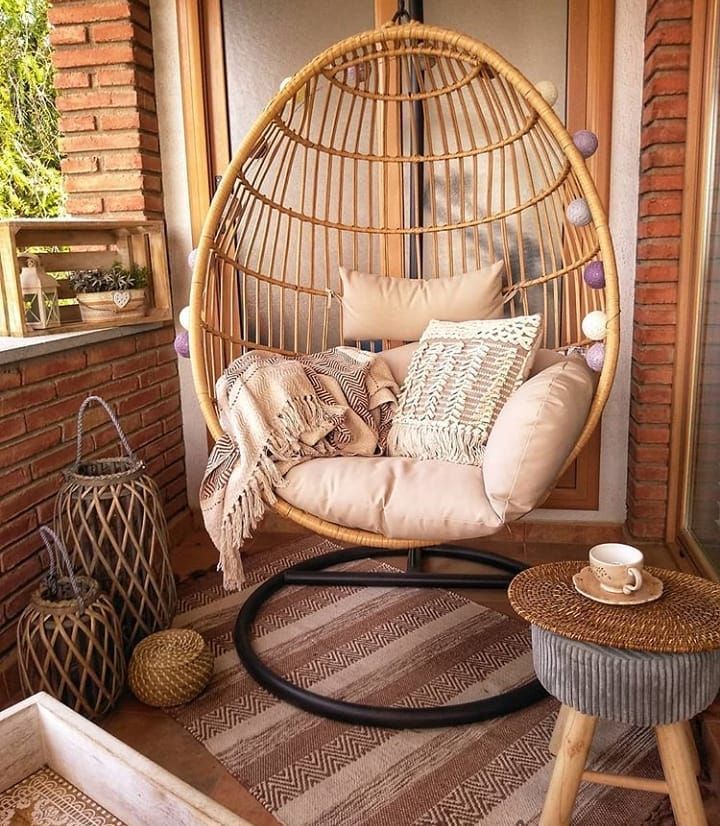
A broader global shift toward environmental impact awareness has further encouraged architects, designers, and households to consider bamboo as an alternative material with lower ecological footprint. As a result, bamboo furniture has become part of sustainable living practices across homes, resorts, cafes, educational spaces, and community areas.
Importance
Bamboo furniture matters today because it aligns with global goals of reducing environmental degradation and increasing the use of renewable resources. It offers several advantages that affect multiple groups.
Who It Affects
-
Homeowners and renters seeking durable, natural, and environmentally responsible furniture.
-
Interior designers and architects focused on sustainable architecture and eco-friendly materials.
-
Policy makers evaluating ways to support green building certifications.
-
Educational institutions and public spaces adopting low-impact furnishing solutions.
-
Environmental researchers studying carbon-efficient materials.
Problems It Helps Address
-
Resource depletion: Bamboo grows quickly, reducing pressure on slow-growing hardwood species.
-
Environmental concerns: Bamboo plantations help with soil retention and carbon absorption.
-
Climate-conscious design needs: It fits well into low-carbon housing models and green construction standards.
-
Durability challenges: Treated bamboo materials provide strength comparable to several hardwoods.
-
Urban sustainability goals: Cities incorporating circular economy practices consider bamboo a renewable material option.
Because bamboo has a naturally high strength-to-weight ratio, it supports long-lasting furniture with minimal material waste. Its neutral tone and natural grain also suit modern, minimalistic, and rustic interior styles without requiring extensive finishing.
Recent Updates
The last year has seen notable developments in bamboo research, production, and sustainability policy. These changes highlight bamboo’s growing place in green technology trends and eco-friendly manufacturing practices.
Key Updates (2023–2024)
-
Rise in engineered bamboo products (2023): Manufacturers increased the use of laminated bamboo boards, improving uniformity and strength. This trend supports long-term furniture durability.
-
Greater focus on carbon reporting (2024): Many countries updated environmental standards to measure carbon footprints more accurately. Bamboo furniture gained attention because bamboo absorbs carbon during growth.
-
Interest in zero-waste manufacturing (2024): Workshops and designers began adopting circular economy models by reusing bamboo offcuts for smaller items like trays or décor.
-
Growth in termite-resistant treatments (2023–2024): Safer preservation methods, such as boron-based treatments, became more widely adopted.
-
Sustainable interior design demand (2024): With rising interest in green building and eco-friendly interior trends, bamboo use increased across residential and institutional projects.
Trends Table
The table below summarizes recent trends shaping bamboo furniture adoption.
| Trend (2023–2024) | Description | Relevance |
|---|---|---|
| Engineered Bamboo | Improved stability through layered processing | Stronger furniture options |
| Carbon Reporting | Inclusion of bamboo in climate metrics | Supports sustainability goals |
| Zero-Waste Production | Reuse of bamboo scraps | Reduces material waste |
| Non-Toxic Treatments | Safer preservation techniques | Enhances durability |
| Green Design Demand | Preference for natural materials | Wider adoption |
These updates reflect how bamboo furniture continues to evolve through technology, design, and sustainability initiatives.
Laws or Policies
Bamboo furniture is influenced by environmental regulations, agricultural policies, and sustainability standards. While laws differ by region, several common themes affect how bamboo materials are grown, harvested, processed, and used.
Forestry and Agricultural Regulations
Many governments classify bamboo under non-timber forest products (NTFPs). Regulations often address:
-
Permits for harvesting bamboo from natural forests
-
Land management practices to avoid overharvesting
-
Encouragement of bamboo cultivation as a sustainable agricultural resource
Environmental Standards
Countries with strong sustainability commitments promote bamboo within their policy frameworks. Examples include:
-
Green building certifications that recognize bamboo as an environmentally preferable material
-
Climate action programs that support low-carbon products
-
Waste reduction policies that encourage the use of recyclable and renewable materials
Trade and Quality Standards
Bamboo furniture may fall under guidelines relating to:
-
Material grading for structural strength
-
Safety standards for indoor furnishings
-
Labelling requirements for treated bamboo products
-
Environmental documentation for exports or institutional procurement
Urban Development Policies
In regions pursuing smart city planning, bamboo is considered a material suitable for public spaces, modular furniture, and community infrastructure projects aligned with sustainability goals.
These regulations help ensure that bamboo cultivation protects local ecosystems and supports environmentally responsible production.
Tools and Resources
Several tools, platforms, and informational resources can help readers understand bamboo furniture, its material properties, and its role in sustainability.
Helpful Tools
-
Lifecycle Analysis (LCA) Calculators: Online LCA tools allow users to compare environmental impacts of materials such as bamboo, timber, and composites.
-
Sustainable Material Databases: Databases like green building material indexes provide data on bamboo’s strength, durability, and ecological footprint.
-
Environmental Impact Trackers: Apps and web tools help users study the carbon impact of various household materials.
Educational Websites
-
Material science portals: Offer technical information on bamboo’s characteristics and mechanical properties.
-
Environmental research organizations: Publish studies on carbon sequestration, renewable resource management, and eco-friendly materials.
-
Architecture and design platforms: Share case studies showing how bamboo furniture fits into modern interior projects.
Technical Resources
-
IS/ISO standards for bamboo processing: Provide guidelines on preservation, testing, and grading.
-
Agricultural extension publications: Explain cultivation techniques, drying processes, and safe treatment methods.
-
Green building certification manuals: Provide details on how bamboo can contribute to sustainability scores.
Readers exploring bamboo furniture for educational or research purposes may rely on these tools to understand quality, environmental impact, and long-term durability.
FAQs
1. Is bamboo strong enough for long-term furniture use?
Yes. When properly treated and seasoned, bamboo has a high strength-to-weight ratio comparable to several hardwoods. Engineered bamboo panels also provide uniform stability for long-term use.
2. How is bamboo different from traditional wood?
Bamboo is a fast-growing grass rather than a tree. It regenerates quickly, making it a renewable resource with lower environmental impact. Its fiber structure gives it flexibility and strength, while its processing methods differ from timber.
3. Does bamboo furniture require special maintenance?
Basic maintenance such as regular cleaning, protection from continuous moisture exposure, and placement away from prolonged direct sunlight helps maintain its condition. Most treated bamboo products are resistant to insects and moderate weather.
4. Can bamboo furniture be used outdoors?
Yes, but outdoor use requires proper treatment. Weather-resistant coatings and occasional reapplication of protective finishes help maintain durability in exterior environments.
5. How does bamboo support sustainability goals?
Bamboo absorbs carbon efficiently, grows rapidly, and requires fewer chemical inputs compared to many hardwoods. These qualities make it suitable for eco-friendly interior design, green building practices, and environmentally conscious materials research.
Conclusion
Bamboo furniture plays an important role in modern discussions about sustainability, natural materials, and environmentally responsible design. Its fast growth rate, strength, and versatility make it a valuable option for households, institutions, and designers working toward low-impact living and green construction principles.
Recent technological advancements, increased attention to carbon accounting, and the global interest in renewable materials continue to shape how bamboo furniture is produced and used. As environmental standards and policies evolve, bamboo remains a significant topic within sustainable material research and eco-friendly design frameworks.
This overview provides essential insights into the background, importance, regulations, and resources related to bamboo furniture, offering readers a clear foundation for understanding its role in today’s sustainability landscape.