Sleep-Tracking Wearable Rings: A Complete Guide with Insights & Key Details
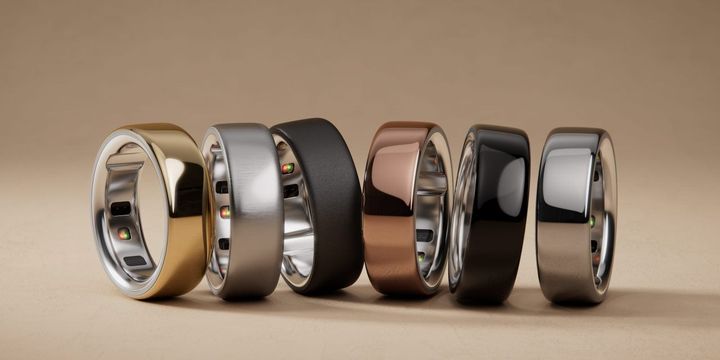
Wearable rings designed for sleep tracking are compact devices worn on the finger, built to monitor physiological signals during sleep — such as heart rate, blood oxygen, body temperature, movement, and more. These rings aim to infer sleep patterns: when you fall asleep, how long you slept, how much time you spent in light sleep, deep sleep, REM, and how often you woke up.
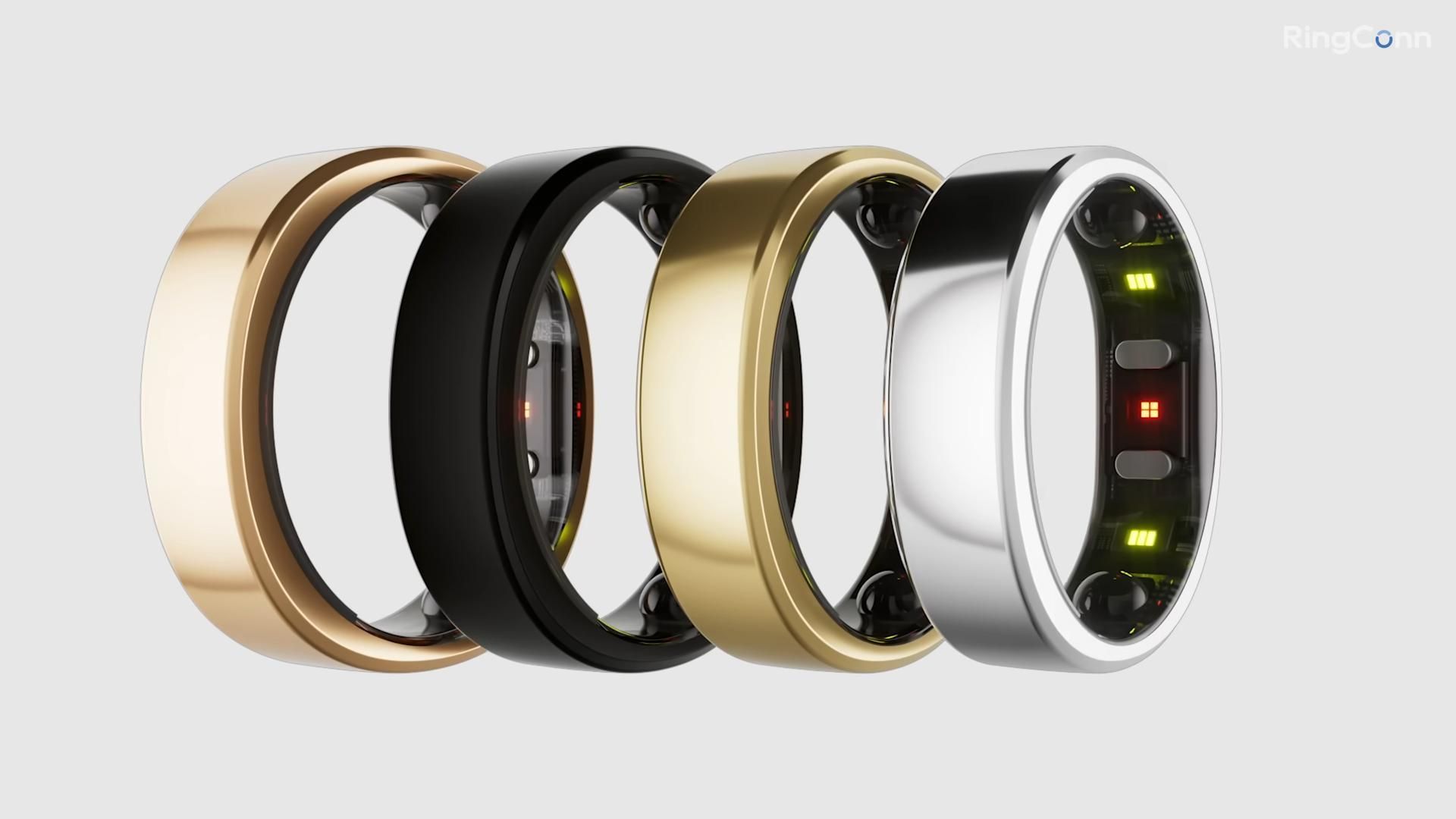
The idea behind sleep‑tracking rings comes from the broader interest in wearable health technology. Unlike wrist‑based trackers (smartwatches or fitness bands), rings are believed to offer advantages: the finger often provides stronger blood perfusion, more stable contact, and less movement during sleep — factors that can improve the quality of biometric data.
With increasing awareness about sleep health, fatigue, stress, and lifestyle diseases, many people look for accessible ways to monitor sleep in daily life — without needing expensive lab-based sleep studies. Sleep‑tracking rings respond to that need.
Importance
As lifestyle patterns shift — longer work hours, screen exposure, stress, irregular schedules — poor or insufficient sleep becomes a widespread concern. For many, understanding sleep quality beyond just “hours slept” is important for mental and physical health, productivity, recovery, and well‑being.
Sleep‑tracking wearable rings help:
-
They provide a non‑invasive, easy-to-use way to monitor sleep habits night after night.
-
They can reveal patterns such as consistently poor sleep, frequent awakenings, insufficient deep or REM sleep, or irregular sleep schedules — which might otherwise go unnoticed.
-
For people juggling busy lives, such continuous data over days/weeks/months helps understand the impact of lifestyle changes (diet, exercise, stress, work hours) on sleep.
-
Over time, these devices may support self‑tracking techniques from the “Quantified Self” movement — helping individuals to identify habits that support better rest, recovery, and overall health.
In short: sleep‑tracking rings make sleep monitoring more accessible and personal — offering insights that might prompt healthier habits or awareness.
Recent Updates and Trends
There has been a noticeable rise in interest, innovation, and scrutiny around sleep‑tracking rings in the past year. Some key updates and trends:
-
The latest generation of rings in 2025 have improved algorithms for activity tracking — not just sleep. New algorithms better distinguish between real steps and hand movements, reducing errors in tracking activity.
-
These wearables are increasingly used in longitudinal health and sleep research, providing insights into how sleep, stress, and daily activity vary across individuals over time.
-
Research continues to examine how well ring-based sleep tracking matches medical-grade sleep measurement (polysomnography). Rings perform well for sleep/wake detection but have limitations in accurately distinguishing sleep stages like REM or deep sleep.
-
Competition among smart-ring makers is increasing, offering consumers a range of options in comfort, accuracy, and data privacy.
Overall, while rings are less precise than clinical sleep studies, they are becoming a more viable tool for everyday sleep awareness and long-term habit tracking.
Laws or Policies (in India)
As wearable sleep-tracking devices collect and process personal and health-related data (heart rate, oxygen levels, sleep patterns, health history), privacy and data protection become relevant — especially in India where regulatory frameworks are evolving.
-
The Digital Personal Data Protection Act, 2023 (DPDP Act) establishes legal guidelines around the processing of digital personal data.
-
Previously, the Information Technology (Reasonable Security Practices and Procedures and Sensitive Personal Data or Information) Rules, 2011, classified health data as “sensitive personal data,” offering stronger protection.
-
Under the new DPDP Act, the distinction between personal data and sensitive personal data has been removed. Health data collected by wearables may not automatically get enhanced protection under the law.
-
Draft rules for implementing the DPDP Act were released for public consultation but do not yet clarify special protections for health data, raising concerns about privacy, data sharing, and consent.
Implication: If you use a sleep‑tracking wearable ring — especially one linked to cloud storage or an app — your data may be stored or processed by third parties, and legal safeguards for health data may be less robust than before.
Tools and Resources
If you’re interested in exploring sleep‑tracking wearable rings or analyzing your sleep data, here are helpful tools and resources:
-
Companion mobile apps associated with smart rings — presenting nightly sleep scores, trends over time (sleep duration, stages, awakenings, readiness/stress), and suggestions for improving sleep habits.
-
Sleep-data logging platforms: Export or aggregate data over months to visualize patterns (sleep duration vs stress vs activity).
-
Journaling or logging templates — combining ring data with personal notes (diet, caffeine, work schedule, stress, room temperature) to identify correlations with sleep quality.
-
Educational content about sleep hygiene — explaining good sleep practices such as maintaining a consistent schedule, creating a dark and cool sleep environment, and limiting screen exposure.
-
Privacy and data reviews — reviewing the privacy policy of any wearable/app to understand what data is collected, where it’s stored, and how it might be shared.
Frequently Asked Questions
What exactly does a sleep‑tracking ring measure?
A ring typically uses sensors to detect blood flow, heart rate and variability, body temperature, blood oxygen, and movement. Using these signals together, the ring estimates sleep vs wake periods and infers sleep stages (light, deep, REM) and breathing patterns.
How accurate are sleep‑tracking rings compared to medical sleep studies?
They are generally good at determining whether you were asleep or awake, often achieving over 90% accuracy for basic sleep/wake classification. Accuracy drops when identifying specific stages like light, deep, or REM sleep, and stage transitions may be misclassified.
Are sleep‑tracking rings useful for people with sleep disorders?
They can provide long-term data showing patterns of sleep duration, awakenings, and irregularities, giving clues about poor sleep hygiene, stress, or lifestyle factors. They do not replace medical diagnosis, as they cannot monitor brain activity, which is essential for diagnosing clinical sleep disorders.
Could tracking sleep every night cause anxiety or obsession?
Yes. Constantly watching sleep metrics may lead to anxiety or over-focus on “perfect sleep,” which can paradoxically undermine sleep quality. Data should be interpreted as approximate guidance rather than exact science.
Does using a sleep ring raise privacy concerns?
Potentially, especially where regulation is evolving. Health data collected by wearables may not automatically receive special classification or safeguards under law. It is prudent to review the device/app privacy policy and understand how data is stored or shared.
Conclusion
Sleep‑tracking wearable rings represent a convergence of technology, health awareness, and convenience. For individuals curious about their sleep patterns — including duration, awakenings, sleep stage distribution, and lifestyle impact — these rings provide a practical, non-intrusive tool.
They are not medical devices, and data should be used to identify patterns over time rather than for diagnosis. Coupled with good sleep hygiene and thoughtful use, wearable rings can be a valuable part of improving sleep awareness and overall wellness, while remaining mindful of data privacy and consent considerations.