Sachet Filling Machines Explained: Comprehensive Guide with Tips, Insights & Essential Knowledge
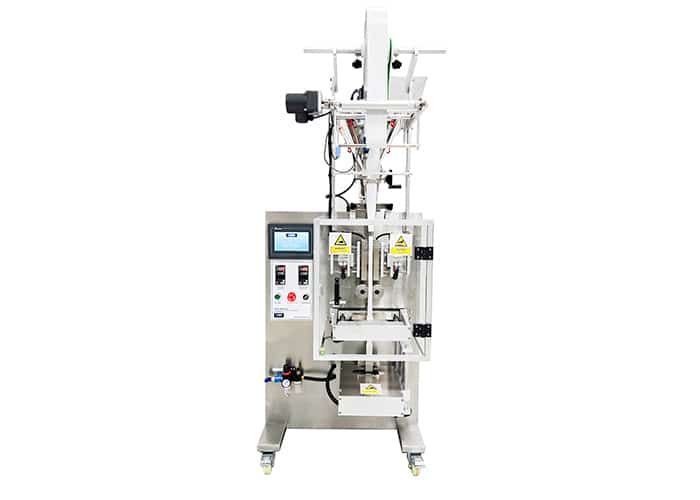
Sachet filling machines are mechanical systems designed to automatically form, fill, and seal small flexible pouches used for packaging liquids, powders, granules, gels, or pastes. These machines were developed to support industries that require compact, controlled, and hygienic packaging for everyday products such as food ingredients, pharmaceuticals, personal care formulations, and household items.
Their purpose emerged from the need for lightweight packaging formats that reduce material usage and allow consumers to access small quantities of products conveniently. As global manufacturing expanded, sachet technology became essential for standardized filling accuracy, contamination prevention, and packaging uniformity.
Over time, different categories of sachet filling machines evolved—such as vertical form-fill-seal systems, multi-lane machines, and horizontal style units—to support varied production scales and product consistencies. Modern designs now integrate automation features that help reduce manual handling and improve quality control.
Importance: Why Sachet Filling Machines Matter Today
Sachet packaging plays a critical role across several sectors, and sachet filling machines provide the foundation for producing consistent, portable, and safe unit-based packaging. Their importance continues to grow for several reasons:
Accessibility and Convenience
Sachets are easy to carry, store, and use. Products packaged in sachets support daily routines such as travel, personal care, medical dosing, and food portioning. The machines enable manufacturers to supply uniform sachets that consumers can rely on.
Accuracy and Quality
Consistent filling volume is important for food safety, pharmaceutical accuracy, and regulatory compliance. Sachet filling machines ensure controlled quantity measurement, clean sealing, and reduced contamination risks.
Sustainability Advances
With increasing attention on environmental impact, sachet machines now help optimize material usage and support recyclable or biodegradable film formats. Lightweight packaging reduces overall material waste and transportation weight.
Support for High-Volume and Small-Batch Production
Industries require both mass-production capability and flexibility for smaller output levels. Sachet filling machines meet both needs through adjustable filling mechanisms, multi-lane operation, and interchangeable components.
Industries Benefiting from Sachet Filling Machines
-
Food and beverage
-
Pharmaceuticals
-
Agriculture (fertilizer samples, micronutrients)
-
Cosmetics and personal care
-
Cleaning and disinfectant products
-
Nutritional supplements
These sectors depend on precise packaging, product protection, and long shelf life—factors directly influenced by sachet filling machine performance.
Recent Updates: Trends and Industry Developments
Technological improvement in sachet filling systems has been significant in the past year, with industry shifts toward efficiency, hygiene, and sustainability. Several updates from 2024–2025 highlight key developments:
Smart Automation and Data Monitoring (2024)
Manufacturers expanded integration of real-time monitoring tools and digital dashboards. These updates help track fill accuracy, sealing temperature consistency, and operational efficiency. Data analytics has become an important feature for facilities seeking reliability and predictive maintenance.
Growth of Eco-Friendly Packaging Films (Early 2025)
Packaging developers introduced new recyclable mono-material films compatible with existing sachet forming systems. This supports environmental standards and reduces packaging waste. Many companies adapted machines to run these films without affecting sealing performance.
Enhanced Hygiene Standards (2024–2025)
Industries working with pharmaceuticals and food products adopted more advanced sanitization features, such as contactless filling mechanisms, closed transfer systems, and easier-to-clean components. This trend followed updated global hygiene recommendations.
Multi-Lane Technology Improvements (2024)
Updates included improved alignment systems, faster lane balancing, and more efficient cutting blades. This increased output without compromising accuracy, particularly for powdered or granulated products.
User-Friendly Control Interfaces
Touchscreen interfaces expanded in 2024–2025, allowing operators to adjust settings, monitor alarms, and access troubleshooting resources more efficiently.
Laws or Policies: Regulations That Influence Sachet Filling Machines
Packaging and filling operations are guided by national and international regulations intended to maintain hygiene, accuracy, and safety. These rules differ across product types, but common requirements include:
Food Safety Standards
Food products packaged in sachets must comply with:
-
Good Manufacturing Practices (GMP)
-
ISO 22000 standards for food safety
-
Restrictions on materials used for food contact
-
Sanitation and hygiene protocols
Machines designed for food applications are expected to support cleanable surfaces and contamination control.
Pharmaceutical and Healthcare Packaging Regulations
Pharmaceutical sachet packaging is subject to:
-
WHO GMP guidelines
-
Drug regulatory authority guidelines
-
Strict requirements for dose accuracy
-
Validation processes for equipment performance
Precision dosing is essential for patient safety, making machine calibration a regulatory priority.
Environmental Packaging Policies
Many countries are introducing laws that promote recyclable or reduced-plastic packaging. Regulations encourage:
-
Usage of recyclable materials
-
Reduction of unnecessary packaging layers
-
Support for biodegradable film adoption
Sachet filling systems must remain compatible with these evolving material standards.
Industrial Safety Guidelines
Operators must follow machine safety regulations related to:
-
Emergency stopping systems
-
Moving part enclosures
-
Lock-out/tag-out procedures
-
Electrical safety standards
These requirements ensure safe machine operation in production environments.
Tools and Resources: Helpful Support for Learning and Operation
Various tools, calculators, and reference materials can support individuals or organizations working with sachet filling machines or learning about packaging systems.
Technical Tools
-
Film compatibility charts for assessing heat-seal strength, material thickness, and product compatibility.
-
Fill volume calculators to estimate product density and convert volume to weight for powders or liquids.
-
Material consumption estimators to calculate total packaging material usage for production planning.
Educational Resources
-
Engineering handbooks detailing packaging fundamentals
-
Online training modules explaining form-fill-seal mechanisms
-
Video tutorials demonstrating maintenance, calibration, and troubleshooting
-
University open-learning portals on industrial automation
Regulatory Reference Websites
-
Food safety authority portals
-
Environmental packaging rule updates
-
International standards databases
-
Government guidelines for industrial hygiene
Software and Digital Tools
-
Production monitoring dashboards
-
Digital maintenance logs
-
Packaging design simulators
-
Batch record management tools
Frequently Asked Questions (FAQs)
What products can be packaged using sachet filling machines?
Sachet machines can package liquids, powders, granules, gels, and semi-liquid products. Typical items include spices, sauces, shampoos, disinfectants, oral rehydration powders, and nutrient blends. Machines adjust their filling mechanisms based on product consistency.
How does a sachet filling machine maintain filling accuracy?
Accuracy is maintained through calibrated dosing systems, sensors, and automated control settings. Machines can use volumetric fillers, auger fillers, or piston fillers depending on the product. Regular calibration ensures consistency over time.
What materials are commonly used for sachet packaging?
Common materials include laminated films, heat-seal coated papers, foil laminates, and recyclable mono-material films. The chosen material depends on product sensitivity, moisture resistance needs, and shelf-life requirements.
Are sachet filling machines suitable for high-volume production?
Yes. Multi-lane sachet filling systems can produce thousands of sachets per hour. These machines operate with parallel lanes that form, fill, and seal multiple sachets simultaneously.
What factors influence the selection of a sachet filling system?
Key factors include product type, required filling accuracy, environmental conditions, packaging material compatibility, hygiene requirements, and desired production output. Understanding these factors helps determine which machine configuration is most suitable.
Conclusion
Sachet filling machines play an essential role in modern packaging by supporting accuracy, hygiene, and efficiency across a wide range of industries. Their contribution extends from everyday food items to pharmaceutical formulations, making them integral to both consumer convenience and industrial reliability. Recent developments in smart automation, eco-friendly materials, and regulatory compliance demonstrate how the technology continues to evolve.