Road Marking Machines: Explore Types, Applications, and Key Information
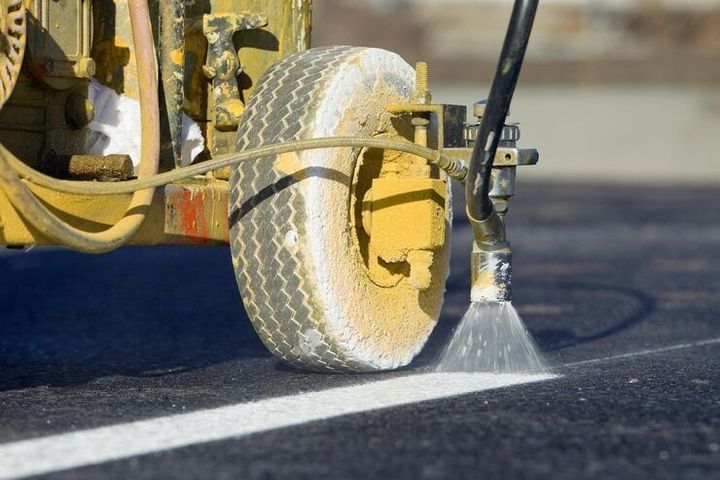
Road Marking Machines are specialized machines used to apply lines, symbols, arrows, letters, and other markings onto roads, highways, parking areas, airports, industrial yards, and similar paved surfaces. They help create clearly defined traffic lanes and communicate information to drivers, cyclists, and pedestrians.
Instead of applying road markings manually with brushes or simple tools, these machines control the movement and application of marking material. Depending on the machine, the material may be water-based paint, solvent-based paint, thermoplastic compound, or another approved road-marking material.
Road marking equipment can range from small manually operated machines to large self-propelled systems designed for highway projects.
How Road Marking Machines Work
A typical road marking machine combines a material container, pump or heating system, spray or extrusion mechanism, control system, wheels, and guidance components.
For a paint-marking machine, material is placed in a tank and delivered through a pump toward one or more spray guns. The operator controls the line width, application rate, and machine movement.
Thermoplastic machines work differently. Thermoplastic material is heated until it becomes suitable for application. It is then applied through a spray or extrusion mechanism onto the prepared pavement.
Glass beads may be applied with selected marking systems. These small reflective particles can help markings become more visible when illuminated by vehicle headlights. Indian road specifications include requirements concerning the application of glass beads with thermoplastic markings.
Main Types of Road Marking Machines
Cold paint road marking machines apply liquid paint without heating it to the application temperature required for thermoplastic materials. They are commonly used for lane lines, parking markings, arrows, symbols, and other pavement markings.
Airless spray machines use high pressure to atomize marking paint and create controlled lines. They can provide relatively uniform application at suitable operating speeds.
Thermoplastic road marking machines heat solid thermoplastic material before applying it to the pavement. They are widely associated with durable highway and urban-road markings.
Extrusion machines place heated thermoplastic material onto the pavement through a shaped outlet. This method can produce relatively thick markings.
Hand-push machines are compact systems operated by walking behind the equipment. They are useful for smaller roads, parking areas, maintenance work, and locations where large equipment cannot easily operate.
Self-propelled machines contain their own drive system and are designed for larger marking projects. Some can apply several lines during one operation.
Ride-on road marking machines allow the operator to sit on the equipment. They can reduce walking requirements during larger projects and may carry larger material tanks.
Multi-purpose marking machines can be configured for different widths, colors, line patterns, and application methods depending on the equipment design.
Importance
Creating Clear Traffic Lanes
Road markings visually divide pavement into lanes and guide vehicles along the intended path. Lane lines, edge lines, center lines, turning arrows, and other markings provide information without requiring drivers to read signs continuously.
MoRTH highway specifications recognize road markings as an important part of traffic-control and road-safety arrangements.
Supporting Road Safety
Clear pavement markings can help road users understand lane boundaries, stopping positions, pedestrian crossings, turning movements, and restrictions.
The effectiveness of a marking depends on several factors, including visibility, alignment, dimensions, pavement condition, material characteristics, weather, lighting, and maintenance.
Maintaining Consistent Lines
Road marking machines can regulate line width and material application more consistently than many manual methods.
Indian road specifications provide tolerances for line width, position, and alignment. For example, the referenced MoRTH specification requires the width of lines and other markings to remain within specified limits and establishes alignment requirements.
Applying Different Marking Patterns
Modern equipment can create continuous lines, broken lines, arrows, letters, symbols, pedestrian crossings, parking markings, and other pavement patterns.
Some machines allow operators to change spray guns, nozzles, bead dispensers, or application heads according to the required marking.
Improving Project Productivity
Large road projects can involve substantial lengths of lane markings. Mechanized equipment allows marking crews to cover longer sections while maintaining controlled application parameters.
The actual output depends on machine configuration, pavement preparation, marking material, road width, traffic-management arrangements, and operating conditions.
Main Machine Features
| Feature | Function | Typical Application |
|---|---|---|
| Material tank | Holds marking material | Paint application |
| Heating system | Heats thermoplastic | Thermoplastic markings |
| Spray gun | Applies liquid material | Lines and symbols |
| Extrusion head | Places heated material | Thick markings |
| Bead dispenser | Applies reflective beads | Night visibility |
| Pump | Moves liquid material | Spray systems |
| Line-width control | Controls marking width | Lane markings |
| Guidance system | Helps maintain alignment | Long road lines |
| Control panel | Adjusts operating settings | Machine operation |
Recent Updates
Greater Use of Mechanized Marking
Road construction and improvement projects increasingly use mechanized equipment for pavement markings. Large highway projects require accurate placement of lane lines, edge lines, arrows, symbols, and other traffic-control markings.
Recent MoRTH project documentation continues to identify road markings and signage as important components of road-safety planning. It also requires marking and signage plans to be incorporated into detailed project documentation.
Improved Thermoplastic Application
Thermoplastic equipment continues to use controlled heating and application systems to produce consistent pavement markings.
The temperature of the material, application thickness, pavement condition, machine speed, and bead placement can influence the resulting marking. Proper equipment settings therefore matter as much as the machine itself.
Reflective Glass Bead Systems
Glass beads are an important component of many reflective road-marking systems. They are placed into or onto selected marking materials so that vehicle headlights can produce retroreflection.
Indian specifications describe the application of additional glass beads over thermoplastic lines and specify application requirements for the referenced material.
Digital Controls
Newer machines can include electronic controls for spray pressure, material flow, line patterns, machine speed, and bead application.
Digital controls can make it easier for operators to repeat selected settings across different sections of a project.
Automated Guidance
Some modern marking systems can use positioning technologies, cameras, or other guidance methods to maintain alignment with existing road geometry.
Such systems can be useful on long road sections where maintaining a consistent path is important. The actual technology varies considerably between machine models.
New Road Technologies
The Indian Roads Congress continues to update its standards, guidelines, and technical publications. Its current committee structure includes dedicated technical work covering road safety and design, urban roads, traffic engineering, pavement systems, and maintenance.
IRC also maintains an accreditation framework for new road materials, techniques, equipment, and products intended for trial use after technical evaluation. Its 2026 materials list reflects continuing evaluation of new technologies for Indian road applications.
Laws or Policies
MoRTH Specifications
The Ministry of Road Transport and Highways provides specifications and standards used for various highway development and construction activities in India.
Road markings form part of broader traffic-control and road-safety provisions. MoRTH documentation identifies road signs, markings, delineators, barriers, and related features as elements of highway safety.
Indian Roads Congress Guidelines
The Indian Roads Congress develops codes, standards, manuals, and guidelines covering roads, traffic, transportation, maintenance, and road safety.
IRC publications include material related to road markings, traffic signs, road furniture, and highway design. MoRTH documentation has historically referenced IRC:35 for road markings and Section 800 of MoRTH specifications for traffic signs and road markings.
Marking Dimensions and Accuracy
Road marking work is not simply a matter of putting paint onto pavement. Specifications can establish requirements for line width, thickness, position, alignment, material characteristics, and application methods.
The referenced Indian specification states that thermoplastic markings should have a uniform minimum thickness of 2.5 mm unless another requirement applies. It also specifies tolerances for width and alignment.
Road Safety Planning
Road markings are generally planned together with signs and other traffic-control elements. MoRTH project documentation states that detailed signage and pavement-marking plans should identify the location, type, and configuration of markings.
Material and Equipment Evaluation
When new road-marking materials or techniques are introduced, technical evaluation may be relevant. IRC maintains an accreditation process for new materials, techniques, equipment, and products, with trial-use conditions and performance monitoring.
Project-specific requirements can differ according to the road authority, contract documents, pavement type, marking material, and applicable specifications.
Tools and Resources
Line-Width Gauges
Line-width gauges help crews check whether painted or thermoplastic markings have been applied at the specified width.
Thickness Measurement Tools
Thickness gauges can be used to check the thickness of selected pavement markings. This is particularly relevant for thermoplastic applications where specified thickness is part of the technical requirement.
Glass-Bead Applicators
Glass-bead systems distribute reflective beads over suitable marking materials. The application rate and timing need to correspond with the marking material and applicable specifications.
Temperature Monitoring Equipment
Thermoplastic systems require controlled heating. Temperature monitoring devices help operators observe material and equipment temperatures during application.
Road Surface Cleaning Equipment
Before marking begins, dust, dirt, loose particles, oil, and other contaminants may need to be removed. Road-marking specifications require the pavement to be appropriately prepared before application.
Measuring and Layout Tools
Tape measures, chalk lines, templates, laser-based tools, and other layout equipment can help establish the location and geometry of markings before machine application.
IRC and MoRTH Resources
The Indian Roads Congress maintains a searchable publication collection covering road and transportation standards. Its current publication resources include road, traffic, maintenance, and safety material.
MoRTH also publishes highway specifications, project documents, circulars, and related technical material that can help professionals understand applicable requirements.
FAQs
What are Road Marking Machines?
Road Marking Machines are specialized machines used to apply lane lines, edge lines, arrows, symbols, letters, and other markings to paved surfaces.
What are the main types of Road Marking Machines?
Common types include cold paint machines, airless spray machines, thermoplastic machines, extrusion systems, hand-push machines, self-propelled machines, and ride-on machines.
What is a thermoplastic road marking machine?
A thermoplastic road marking machine heats solid thermoplastic material until it reaches the appropriate application condition. The heated material is then applied to the pavement through a spray or extrusion system.
Where are Road Marking Machines used?
Road Marking Machines are used on highways, city roads, intersections, parking areas, airports, industrial sites, pedestrian crossings, and other paved locations where defined markings are required.
Why are glass beads used with road markings?
Glass beads can provide retroreflective properties. When vehicle headlights illuminate the beads, some light is reflected back toward the driver, helping the marking remain visible under suitable conditions.
Conclusion
Road Marking Machines provide controlled methods for applying pavement lines, symbols, arrows, and other traffic markings. Different equipment types are designed for materials and applications ranging from small parking areas to large highway projects. Modern machines increasingly incorporate electronic controls, improved material handling, reflective-bead systems, and guidance technologies. In India, MoRTH specifications and IRC publications provide important references for road-marking design, materials, dimensions, application, and road-safety planning.