Retirement Planning: A Complete Guide to Building a Secure Financial Future
Retirement planning is an essential part of achieving long-term financial security. It helps individuals prepare for the stage of life when they may stop working full-time and rely on savings, investments, pensions, or other sources of income.
By planning early and making informed financial decisions, individuals can work toward maintaining their lifestyle, managing future expenses, and enjoying retirement with greater confidence.
Whether you are beginning your career, raising a family, or approaching retirement age, having a clear financial strategy can make a significant difference. A well-structured retirement plan considers your expected expenses, income sources, investment preferences, health needs, and personal goals.
Understanding the fundamentals of retirement planning can help you make better decisions today and prepare for the financial responsibilities of tomorrow.
What Is Retirement Planning?
Retirement planning is the process of estimating future financial needs and developing a strategy to fund your lifestyle after you stop working or reduce your working hours.
It involves evaluating current income, expenses, savings, investments, debts, and expected retirement benefits. Based on this information, individuals can establish savings targets and decide how to allocate their money over time.
A comprehensive retirement plan typically includes:
Estimating future living expenses.
Setting retirement savings goals.
Building a diversified investment portfolio.
Understanding pension and retirement benefit options.
Managing debt before retirement.
Preparing for healthcare and unexpected expenses.
Developing a strategy for withdrawing money during retirement.
The objective is to create a reliable financial foundation that supports your needs throughout retirement.
Why Is Retirement Planning Important?
1. Achieve Financial Independence
Retirement planning helps you build financial resources that can support your lifestyle when you no longer receive a regular salary.
Without a clear plan, you may need to depend heavily on family members, continue working longer than expected, or reduce essential expenses.
Regular savings and disciplined investing can help improve your financial independence over time.
2. Manage Rising Living Costs
Inflation gradually reduces the purchasing power of money. Expenses such as housing, food, transportation, and healthcare may become more expensive over the years.
Retirement planning accounts for these changes by estimating future expenses rather than relying only on current costs.
Investments that have the potential to grow over time may help offset inflation, although returns are never guaranteed.
3. Prepare for Healthcare Expenses
Healthcare costs can become a significant part of retirement spending. Medical insurance, prescription medications, routine appointments, and unexpected treatments may affect your financial situation.
Including healthcare expenses in your retirement plan can help you prepare for these costs without disrupting your other financial goals.
4. Reduce Financial Stress
Knowing how much you need to save and how your money will support your future expenses can provide peace of mind.
A retirement plan gives you a framework for making financial decisions, reviewing progress, and adjusting your strategy when circumstances change.
5. Protect Your Family
Retirement planning can also include financial protection for a spouse, dependent children, or other family members.
Estate planning, suitable insurance, beneficiary arrangements, and emergency savings can help protect the people who depend on you.
How Much Money Do You Need for Retirement?
The amount required for retirement depends on your lifestyle, expected retirement age, location, healthcare needs, inflation, and other sources of income.
There is no single savings target that works for everyone. A practical starting point is to estimate your annual retirement expenses and determine how much of that amount must come from your own savings and investments.
For example, if your estimated retirement expenses are ₹60,000 per month in today's money, your annual expenses would be ₹7.2 lakh.
If you expect to retire several years later, you must account for inflation. Your future expenses may be considerably higher than today's expenses.
Your retirement target should also consider:
The age at which you plan to retire.
How long your retirement may last.
Pension or other dependable income sources.
Outstanding loans and housing costs.
Healthcare and emergency expenses.
Taxes, investment fees, and inflation.
The expected performance and risks of your investments.
Use these estimates as a starting point and review them regularly as your income, family circumstances, and financial goals evolve.
Best Retirement Planning Strategies
1. Start Saving Early
Starting early gives your savings more time to grow through compounding. Compounding occurs when investment earnings remain invested and can generate additional earnings over time.
For example, someone who starts saving in their twenties generally has more time to build a retirement fund than someone who starts in their forties.
Even small, consistent contributions can become meaningful over a long period. If you cannot save a large amount immediately, begin with an affordable contribution and increase it as your income grows.
2. Set Clear Retirement Goals
Define what retirement means to you. You may want to travel, pursue hobbies, relocate, support family members, or maintain your current lifestyle.
Estimate the financial resources required for these goals and divide your savings target into manageable milestones.
Clear goals make it easier to monitor progress and identify when adjustments are needed.
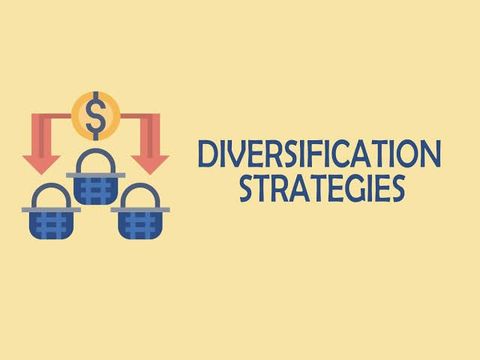
3. Diversify Your Investments
Diversification means spreading investments across different asset classes rather than concentrating all your money in one investment.
Depending on your circumstances and risk tolerance, a portfolio may include equities, bonds, deposits, and other suitable investments.
Equities may offer long-term growth potential but can experience significant price fluctuations. Bonds and deposits may provide different risk and income characteristics, but they also have limitations.
Your investment allocation should reflect your time horizon, financial needs, and ability to tolerate losses. Consider seeking qualified financial advice before making significant investment decisions.
4. Take Advantage of Retirement Accounts
Depending on your country, retirement savings may receive tax benefits or other incentives.
In India, for example, individuals may explore options such as the National Pension System, Employees' Provident Fund, Public Provident Fund, and other eligible retirement-oriented savings products.
Each option has different rules concerning eligibility, contributions, taxation, withdrawals, and investment choices. Review the current regulations before deciding which options fit your financial plan.
5. Manage Debt Before Retirement
Outstanding debt can reduce the amount of money available for retirement expenses.
Prioritize high-interest debt and develop a repayment strategy that balances debt reduction with essential savings and emergency reserves.
Reducing significant loan obligations before retirement may improve cash flow and lower financial pressure during your later years.
Retirement Planning at Different Ages
Retirement Planning in Your 20s and 30s
Early-career professionals can benefit from establishing good financial habits. Start saving regularly, build an emergency fund, understand your investment options, and avoid accumulating unnecessary high-interest debt.
Because your investment horizon may be long, you may have greater capacity to tolerate market fluctuations, depending on your personal circumstances.
Retirement Planning in Your 40s
During your forties, review whether your current savings are aligned with your retirement target.
Consider increasing contributions as income rises, reviewing insurance coverage, managing major debts, and assessing whether your investment portfolio remains appropriate.
Family responsibilities and education expenses may compete with retirement savings, so a realistic budget is important.
Retirement Planning in Your 50s
As retirement approaches, estimate your expected income and expenses more precisely. Review pension eligibility, healthcare arrangements, debt obligations, and the risks associated with your investment portfolio.
You may also begin planning how to convert investments into retirement income while maintaining sufficient liquidity for unexpected costs.
Retirement Planning in Your 60s and Beyond
At or near retirement, focus on sustainable withdrawals, essential living expenses, healthcare, taxes, and protection against financial shocks.
Review how much income your savings can reasonably support and consider how your withdrawal strategy may need to change over time.
Common Retirement Planning Mistakes to Avoid
Many individuals experience financial challenges because they underestimate how much preparation retirement requires.
Common mistakes include:
Delaying savings until later in life.
Underestimating the effect of inflation.
Depending entirely on one investment or income source.
Ignoring healthcare and long-term care costs.
Taking excessive investment risks without considering retirement needs.
Withdrawing retirement savings too quickly.
Failing to review the plan after major life changes.
Not maintaining sufficient emergency funds.
Avoiding these mistakes begins with regular financial reviews, realistic assumptions, and a willingness to adjust your strategy when necessary.
How to Create a Retirement Plan
Creating a retirement plan becomes easier when you follow a structured process.
Step 1: Review your current finances. Calculate your income, expenses, savings, investments, and debts.
Step 2: Estimate retirement expenses. Consider housing, food, healthcare, transportation, leisure activities, and family commitments.
Step 3: Set a target retirement age. Your intended retirement date affects how long you have to save and how long your money may need to last.
Step 4: Calculate your savings gap. Compare your expected retirement resources with your estimated financial needs.
Step 5: Choose appropriate savings and investments. Select options that align with your goals, risk tolerance, time horizon, and applicable tax rules.
Step 6: Automate regular contributions. Scheduled contributions can make saving more consistent and reduce the temptation to spend money intended for retirement.
Step 7: Review your plan annually. Update your calculations when your income, expenses, investments, or personal circumstances change.
Conclusion
Retirement planning is a long-term process that helps you prepare for financial independence and a more comfortable future. By estimating expenses, saving consistently, investing appropriately, managing debt, and preparing for healthcare costs, you can build a stronger financial foundation for your later years.
The most effective retirement strategy is one that reflects your personal goals, income, risk tolerance, and expected lifestyle. Starting early can provide valuable time for your savings to grow, but it is never too late to review your finances and take practical steps toward your retirement goals.