Credit Cards vs. Debit Cards: Making the Most of Both
Credit cards and debit cards are two of the most commonly used financial tools in the United States.
They are convenient for everyday purchases, easy to carry, and accepted by millions of merchants. However, many people do not fully understand how these cards differ or how to use them effectively.
Choosing between a credit card and a debit card can affect more than your bank balance. It can influence your credit score, spending habits, budgeting, and protection against fraud. In general, federal law provides stronger protections against unauthorized transactions for credit cards than for debit cards, although the specific rules depend on the circumstances.
Understanding how each card works can help you make informed financial decisions. This guide explains the key differences between credit cards and debit cards, explores practical examples, and provides tips for using both responsibly.
Understanding the Differences Between Credit and Debit Cards
Although credit cards and debit cards look similar, they work differently when you make a payment.
Credit cards: Allow you to borrow money from a financial institution up to an approved credit limit. You receive a monthly statement and must make at least the minimum payment by the due date. Paying the full statement balance generally helps you avoid interest on purchases.
Debit cards: Withdraw money directly from your linked checking account. Your available balance determines how much you can spend, although overdraft services and transaction holds may affect the amount available.
Credit Card vs. Debit Card: A Quick Comparison
| Feature | Credit Card | Debit Card |
|---|---|---|
| Source of funds | Borrowed credit | Linked bank account |
| Credit history | Can help build credit | Usually does not build credit |
| Fraud protection | Strong federal protections | Protections depend on applicable law and reporting time |
| Interest charges | May apply to unpaid balances | No borrowing interest |
| Budgeting | Requires spending discipline | Helps limit spending to available funds |
| Rewards | Cashback, points, or travel benefits may be available | Rewards vary by bank and card |
| Monthly payments | Required according to the statement | No credit bill for ordinary purchases |
| ATM withdrawals | May involve cash advance fees and interest | Usually withdraws money from your account |
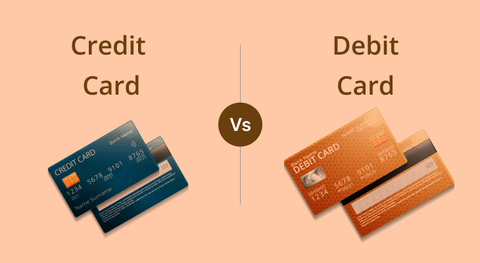
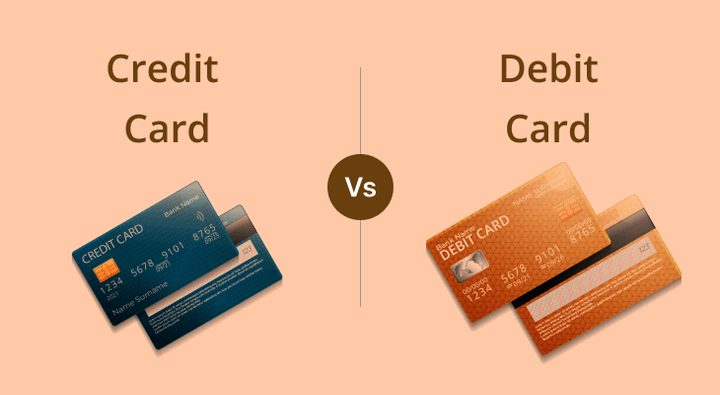
The main difference is that a credit card uses borrowed funds, while a debit card generally uses money already held in your bank account.
When Should You Use a Credit Card?
Credit cards can be useful for planned purchases, building credit history, and accessing certain financial benefits. Their advantages are most valuable when you manage spending carefully and pay your statement balance on time.
1. Build and Maintain a Credit History
Using a credit card responsibly can help establish a credit history. Payment history and credit utilization are important factors in many credit scoring models. Paying bills on time and keeping balances relatively low can support a healthy credit profile.
2. Earn Rewards and Cashback
Some credit cards provide cashback, travel points, or rewards for eligible purchases. Benefits vary by card, and annual fees, interest charges, and other conditions may reduce their value.
3. Access Credit Card Fraud Protections
The Fair Credit Billing Act generally limits a consumer's liability for unauthorized credit card use to $50, subject to applicable requirements. Many major issuers also provide zero-liability policies.
Credit cards can also help keep disputed purchases separate from the money in your checking account while a transaction is investigated.
4. Make Travel Reservations
Hotels and rental car companies may prefer credit cards for deposits or authorization holds. A credit card can make these transactions easier to manage without immediately reducing the cash available in your checking account.
Example: Emma, a 29-year-old teacher in California, uses her credit card for planned expenses such as groceries, utilities, and internet payments. She pays her statement balance in full every month and earns approximately $150 in annual cashback rewards. By maintaining consistent payments and responsible borrowing habits, she also works toward a stronger credit profile.
This example is illustrative; actual rewards and credit score changes depend on individual circumstances.
When Should You Use a Debit Card?
Debit cards are useful for people who want direct access to their money and prefer to avoid borrowing for everyday purchases.
1. Keep Spending Within Your Budget
Because debit card purchases generally draw from your checking account, they can make it easier to track spending against the money you have available. However, overdrafts and pending transactions can still affect your balance.
2. Avoid Credit Card Interest
Debit card purchases do not create a credit card balance or generate purchase interest. This can be helpful for people who want to simplify their finances and avoid taking on revolving debt.
3. Manage Everyday Expenses
Debit cards work well for groceries, public transportation, coffee shops, and other routine purchases. Reviewing your bank balance and transaction history regularly can help you identify spending patterns.
4. Withdraw Cash From an ATM
A debit card linked to your checking account is generally convenient for ATM withdrawals. Check your bank's fee policy and the ATM operator's charges before withdrawing cash.
Example: Alex, a university student in Ohio, uses his debit card for everyday expenses and follows a weekly spending limit of $250. By reviewing his transactions and monitoring his available balance, he keeps his spending organized without relying on borrowed money.
This example is illustrative and does not guarantee that debit card use will prevent overspending.
Which Card Should You Use and When?
You do not necessarily need to choose one card over the other. Using both strategically can help you balance convenience, budgeting, and financial protection.
Situations Where a Credit Card May Be Better
Planned purchases that you can afford to repay in full.
Recurring payments that earn useful rewards.
Purchases where credit card protections or benefits are valuable.
Hotel reservations and rental car transactions requiring a credit authorization.
Building a credit history through responsible use.
Situations Where a Debit Card May Be Better
Routine purchases when you want to use existing funds.
ATM withdrawals from your checking account.
Managing a fixed weekly or monthly spending allowance.
Transactions where you prefer not to increase your credit card balance.
Everyday spending when avoiding borrowing is your priority.
For online purchases, compare the protections available on each card and consider the consequences of unauthorized transactions. Debit card fraud can temporarily reduce the money available in your account, making prompt reporting particularly important.
Common Credit and Debit Card Mistakes to Avoid
Even when used regularly, both cards require careful management. Avoid these common mistakes to protect your finances.
Carrying high credit card balances: High credit utilization may negatively affect your credit score.
Paying only the minimum: This can increase interest expenses and extend repayment time.
Ignoring bank and card statements: Regular reviews help identify unfamiliar transactions and billing errors.
Using debit cards without monitoring your balance: Pending transactions and unexpected withdrawals can leave you with less money than expected.
Missing fraud reporting deadlines: Delayed reporting may affect your rights and potential liability, particularly for debit card transactions.
Making unnecessary purchases for rewards: Cashback and points rarely justify spending money you would otherwise keep.
Tips for Responsible Credit and Debit Card Use
Follow these practical habits to manage both types of cards more effectively:
Pay your credit card statement balance in full whenever possible to avoid interest on purchases under the applicable terms.
Enable transaction alerts to receive notifications about purchases and withdrawals.
Review account statements regularly and report suspicious activity immediately.
Monitor your credit reports through the official website, AnnualCreditReport.com, where eligible consumers can access their reports.
Set realistic spending limits for groceries, transportation, entertainment, and other expenses.
Protect your card details by using secure payment methods and never sharing your PIN or one-time verification codes.
Understand your card's terms before using it, including fees, interest rates, overdraft policies, rewards conditions, and fraud reporting procedures.
Conclusion
Credit cards and debit cards serve different financial purposes. Credit cards can help establish credit history, provide rewards, and offer useful consumer protections. Debit cards provide direct access to your bank funds and can make everyday budgeting easier.
The right choice depends on your spending habits, financial goals, and ability to manage payments. By understanding how each card works, reviewing transactions regularly, and using credit responsibly, you can make better financial decisions and manage your money with greater confidence.
This article is for general educational purposes and is not individualized financial advice.