Precision Oncology: Testing, Treatment and Personalized Care
Cancer treatment is increasingly influenced by the biological characteristics of an individual tumor rather than cancer location alone.
Precision oncology uses information about tumor biomarkers and molecular changes to help clinicians identify treatment approaches that may be appropriate for a particular patient.
This approach can involve pathology, genomic testing, molecular profiling, targeted medicines, immunotherapy, and multidisciplinary review. However, precision oncology does not mean that every patient will have an identifiable target or that testing automatically leads to a specific treatment.
What Is Precision Oncology?
Precision oncology is an approach to cancer care that uses information about a tumor's genes, proteins, and other biological characteristics to help guide diagnosis, prognosis, and treatment decisions.
Traditional cancer classification remains important, including the cancer's location, stage, grade, and histological characteristics. Precision approaches add molecular information that can provide additional insight into how an individual tumor behaves.
A precision oncology program may involve:
- Tumor biomarker testing
- Genomic or molecular profiling
- Pathology analysis
- Targeted therapy evaluation
- Immunotherapy assessment
- Clinical-trial matching
- Multidisciplinary review
- Treatment-response monitoring
Why Precision Oncology Matters
Cancers that appear similar under conventional classification can have different molecular characteristics. Biomarker testing can identify genes, proteins, or other molecules that may influence treatment selection.
This is particularly relevant when a cancer has a biomarker associated with an available targeted treatment.
For example, some therapies are designed to act on specific molecular targets. NCI describes targeted therapy as a foundation of precision medicine because these treatments are developed around particular proteins or molecular pathways involved in cancer growth and spread.
Precision Oncology Testing
Precision oncology testing can involve analyzing tumor tissue, blood, or other biological samples.
Tumor Biomarker Testing
Biomarker testing examines cancer for particular genes, proteins, or other characteristics that may provide information relevant to treatment.
It can help clinicians determine whether a patient may have a biomarker associated with a particular therapy or clinical trial.
Genomic Profiling
Genomic profiling can examine multiple genes or molecular alterations within a tumor. Depending on the test, techniques such as next-generation sequencing may be used to identify potentially relevant alterations.
A genomic result does not necessarily mean that an effective treatment exists. Results need to be interpreted in the context of the patient's cancer, clinical history, available evidence, and approved treatment options.
Liquid Biopsy
Some molecular tests analyze cancer-related material found in blood. These approaches can provide information without requiring a new tissue biopsy in selected situations.
However, liquid biopsy and tissue-based testing have different strengths and limitations. The appropriate test depends on the clinical situation and the information the oncology team needs.
How Precision Oncology Treatment Works
The precision oncology treatment process generally involves several stages.
1. Establish the Diagnosis
The healthcare team first determines the cancer type and stage using pathology, imaging, clinical assessment, and other appropriate investigations.
2. Identify Relevant Biomarkers
If biomarker testing is appropriate, tissue or another suitable sample may be analyzed for molecular characteristics that could influence treatment.
3. Interpret the Results
A molecular result is reviewed alongside the patient's overall clinical information.
Not every detected alteration is clinically actionable. Some findings may have uncertain significance, while others may have established treatment implications.
4. Match Treatment Options
If an actionable biomarker is identified, the oncology team may consider an approved targeted therapy, immunotherapy, another appropriate treatment, or a clinical trial.
NCI notes that some targeted treatments and immunotherapies may only be useful for cancers with particular biomarkers.
5. Monitor the Patient
Treatment response and side effects are monitored over time. If the disease changes, additional testing may sometimes be considered.
Precision Oncology vs Traditional Cancer Treatment
Precision oncology does not replace conventional oncology. Instead, molecular information can complement established diagnostic and treatment approaches.
| Approach | Main Information Used | Role in Care |
|---|---|---|
| Traditional oncology | Cancer type, stage, grade, pathology | Establishes diagnosis and treatment framework |
| Biomarker testing | Genes, proteins, molecular markers | Identifies potentially relevant characteristics |
| Genomic profiling | Multiple molecular alterations | Searches for potentially actionable changes |
| Targeted therapy | Specific molecular target | Treats cancers with relevant targets |
| Immunotherapy testing | Immune-related biomarkers | Helps identify selected treatment opportunities |
| Precision oncology | Combination of clinical and molecular information | Supports individualized treatment planning |
The two approaches often work together rather than functioning as competing models.
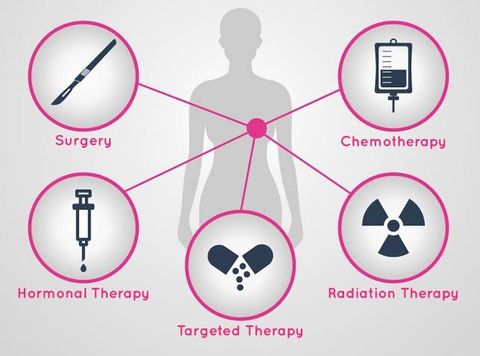
Targeted Cancer Therapy
Targeted therapy is one of the most recognizable applications of precision medicine. These medicines are designed to interfere with specific molecules or pathways that cancer cells depend on for growth, division, or spread.
Examples of molecular targets can differ significantly between cancer types.
Importantly, a targeted therapy is not automatically appropriate simply because a molecular alteration is detected. Treatment decisions require clinical interpretation, consideration of evidence, regulatory status, potential benefits, risks, and other available options.
Benefits and Limitations of Precision Oncology
Precision oncology can provide important information, but it has limitations.
Potential Benefits
- Identifies potentially actionable biomarkers
- Can support more individualized treatment decisions
- May identify targeted treatment opportunities
- Can help identify relevant clinical trials
- Provides additional molecular information about a tumor
- May help explain why certain therapies are more appropriate than others
Important Limitations
- Not every tumor contains an actionable biomarker.
- A detected alteration may have uncertain clinical significance.
- A matching therapy may not be available.
- Tumor biology can change during disease progression.
- Testing can sometimes produce complex results.
- Access to specialized testing and treatments varies.
- Results require appropriate clinical interpretation.
NCI emphasizes that precision medicine is advancing but is not yet a routine treatment approach for every cancer patient. Standard approaches remain effective and continue to form the basis of care for many cancers.
Role of Molecular Tumor Boards
Complex genomic results may benefit from review by a multidisciplinary team.
A molecular tumor board can bring together specialists such as oncologists, pathologists, genetic experts, pharmacists, and other professionals to interpret molecular findings and discuss potential treatment options.
This type of collaboration can be particularly valuable when a genomic report identifies multiple alterations or when the clinical significance of a finding is uncertain.
Precision Oncology and Clinical Trials
Precision oncology can also help identify clinical-trial opportunities.
Some trials enroll participants according to specific molecular characteristics rather than only the anatomical location of their cancer. These are sometimes described as biomarker-driven or basket trials.
The ASCO TAPUR study, for example, uses genomic testing to match certain patients with advanced cancers to treatment options being investigated in the study.
Clinical-trial eligibility varies, so patients should discuss potential trials with their oncology team.
How to Approach Precision Oncology Testing
Patients considering molecular profiling for cancer can prepare for discussions with their healthcare team by asking:
- What information will this test provide?
- Which type of sample will be tested?
- Could the results change my treatment plan?
- What happens if no actionable biomarker is found?
- Could the results identify a relevant clinical trial?
- How will uncertain findings be interpreted?
- Who will review the results with me?
It is also important to understand the distinction between tumor testing and inherited genetic testing. Biomarker testing examines characteristics of the cancer, while inherited genetic testing looks for changes that may be present throughout the body and potentially passed through families.
Who May Benefit From Precision Oncology?
Precision approaches can be relevant across many cancer types, but the usefulness of testing depends on the specific diagnosis.
Biomarker testing is particularly established for certain cancers and may be recommended more often in advanced or recurrent disease. NCI notes that testing is routinely used to guide treatment in some cancers, including certain breast, colorectal, and non-small cell lung cancers.
The decision should be based on the individual's diagnosis, treatment history, available tests, and clinical circumstances.
Frequently Asked Questions
What is precision oncology?
Precision oncology uses molecular and biological information about a patient's cancer, alongside conventional clinical information, to help guide diagnosis and treatment decisions.
How does precision oncology testing work?
Testing can analyze tumor tissue, blood, or other samples for genes, proteins, and molecular changes that may influence treatment decisions.
Is precision oncology the same as targeted therapy?
No. Targeted therapy is one application of precision medicine. Precision oncology is a broader approach that can include biomarker testing, genomic profiling, targeted treatments, immunotherapy assessment, and clinical-trial matching.
Does genomic testing guarantee a targeted cancer treatment?
No. Testing may identify an actionable biomarker, but it can also find alterations with uncertain significance or no currently available matching treatment.
Can precision oncology help identify clinical trials?
Yes. Some clinical trials use tumor biomarkers or genomic alterations as part of their eligibility criteria, allowing certain patients to be considered for biomarker-matched treatments.
Conclusion
Precision oncology is changing how clinicians understand and approach cancer by adding molecular information to traditional diagnosis and treatment planning. Biomarker testing and genomic profiling can sometimes identify characteristics that help guide targeted therapies, immunotherapy decisions, or clinical-trial opportunities.
However, precision medicine is not a guarantee of a specific treatment or outcome. The most appropriate approach depends on the cancer type, stage, molecular findings, previous treatment, overall health, available evidence, and clinical judgment.
Patients should discuss the potential value and limitations of biomarker testing with their oncology team and ask how the results could affect their individual treatment plan.
This article is for general educational purposes and is not a substitute for individualized medical advice, diagnosis, or treatment from a qualified healthcare professional.