Niacinamide Serums: Manufacturers, Private Labeling, and Formulation Guide
Niacinamide serums are widely used in skincare products designed to support skin hydration, improve the appearance of uneven skin tone, and maintain the skin barrier.
Businesses exploring this category often research niacinamide serum manufacturers, private label niacinamide serum manufacturers, and niacinamide serum wholesale suppliers to understand production options. Learning about formulation, ingredient quality, packaging, and manufacturing processes can help businesses evaluate potential partners and develop products suited to their intended audience.
Understanding Niacinamide Serums
What Is Niacinamide?
Niacinamide is a form of vitamin B3 commonly included in skincare formulations. It is used in facial serums, moisturizers, creams, and other cosmetic products because of its role in supporting the skin barrier and improving the appearance of skin texture.
Niacinamide serums are available in different concentrations and formulations. Their overall characteristics depend on the complete ingredient combination, product stability, and intended application.
Common Applications in Skincare
Niacinamide serums are generally developed for several cosmetic purposes, including:
Supporting the skin's natural moisture barrier.
Improving the appearance of uneven skin tone.
Helping maintain a smoother-looking skin surface.
Supporting balanced-looking skin and everyday skincare routines.
Individual results can vary depending on the formulation and the user's skin. Product descriptions should accurately explain cosmetic functions without promising specific outcomes.
Importance of Niacinamide Serum Manufacturers
Manufacturing Quality and Consistency
Niacinamide serum manufacturers play an important role in developing formulations, sourcing ingredients, maintaining production standards, and ensuring consistent product quality. Businesses should understand how manufacturers manage ingredient handling, production hygiene, stability testing, and finished-product evaluation.
When reviewing potential manufacturing partners, consider their documented quality procedures, regulatory knowledge, production capabilities, and experience with cosmetic formulations.
Choosing a Suitable Manufacturing Partner
Businesses evaluating professional niacinamide serum suppliers can compare several factors before making a decision:
Formulation capabilities: Determine whether the manufacturer offers existing formulas or supports product customization.
Quality documentation: Ask about ingredient specifications, batch records, stability testing, and quality-control procedures.
Packaging options: Review available bottles, dispensing pumps, labels, and protective packaging.
Production capacity: Understand minimum order quantities, lead times, and the ability to accommodate future production requirements.
These considerations help establish whether a manufacturer is suitable for a particular product concept and business model.
Private Label and Custom Formulation Options
Private Label Niacinamide Serums
Private label niacinamide serum manufacturers typically produce skincare products that businesses market under their own brand names. Depending on the manufacturer, businesses may choose from established formulations, packaging styles, and labeling options.
This approach can simplify product development because some formulation and production processes are already established. However, businesses should confirm the permitted customization options, product documentation, ownership arrangements, and applicable labeling requirements.
Custom Niacinamide Serum Formulation
Custom niacinamide serum formulation allows businesses to work with a manufacturer on a product designed around specific requirements. These may include texture, ingredient combinations, fragrance preferences, packaging compatibility, and the intended skincare application.
A custom formulation generally requires development discussions and appropriate testing. Compatibility, stability, and safety evaluations are important before a product is introduced to the market.
Wholesale and Contract Manufacturing
Understanding Different Supply Models
Niacinamide serum wholesale suppliers may provide ready-made products in larger quantities, while contract manufacturers generally produce products according to agreed specifications. Bulk niacinamide serum manufacturers may support larger production runs, depending on their facilities and manufacturing arrangements.
The most appropriate model depends on whether a business needs an existing product, a branded formulation, or a product developed to specific requirements.
Supply model | Main characteristics | Suitable consideration |
|---|---|---|
Wholesale supply | Existing products supplied in quantities | Businesses seeking established products |
Private label | Products marketed under a business's brand | Brands seeking their own product identity |
Contract manufacturing | Production according to agreed specifications | Businesses with defined product requirements |
Custom formulation | Development of a tailored formula | Brands seeking specific product characteristics |
Before selecting a supplier, clarify production quantities, sample availability, documentation, packaging responsibilities, and delivery arrangements.
Ingredients, Packaging, and Quality Considerations
Evaluating the Complete Formula
The quality of a serum depends on more than its niacinamide content. Other ingredients influence its texture, hydration characteristics, stability, and compatibility with packaging.
Businesses should request ingredient lists and relevant technical documentation. They should also confirm that product claims reflect available evidence and comply with applicable cosmetic regulations.
Packaging and Product Stability
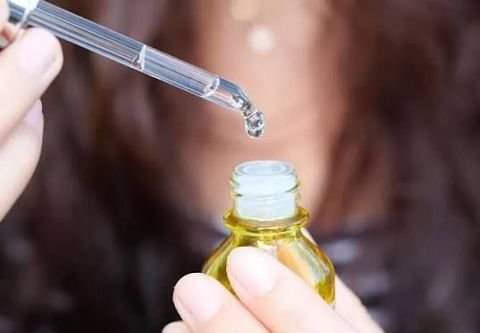
Serums are commonly packaged in dropper bottles, pump containers, or other suitable dispensing systems. The selected packaging should be compatible with the formulation and appropriate for storage and routine use.
Manufacturers should explain how they assess product stability, packaging compatibility, and batch consistency. Clear storage instructions and appropriate labeling can also help consumers use products correctly.
How to Evaluate the Best Niacinamide Serum for Face
The best niacinamide serum for face depends on individual preferences, skin characteristics, and the intended use of the product. Consumers can review the ingredient list, texture, fragrance, packaging, and manufacturer-provided directions when comparing products.
Businesses developing facial serums should similarly evaluate formulation suitability, product testing, and accurate labeling. Cosmetic claims should remain realistic and should not imply that a serum diagnoses, treats, or cures a medical condition.
Frequently Asked Questions
How can businesses identify reliable niacinamide skincare product manufacturers?
Review manufacturing experience, quality-control documentation, formulation capabilities, product testing procedures, and compliance with relevant regulations. Request product samples and clarify production terms before proceeding.
What is a niacinamide serum private label supplier?
A niacinamide serum private label supplier provides products that businesses can market under their own branding. Available customization depends on the supplier's production capabilities and commercial terms.
What should businesses ask about contract manufacturing?
Ask about minimum order quantities, formulation ownership, testing, packaging, production timelines, documentation, and applicable regulatory responsibilities.
Can niacinamide serums be customized?
Yes. Depending on the manufacturer, customization may include texture, supporting ingredients, fragrance, packaging, and other formulation characteristics. Appropriate evaluation and testing remain important.
Conclusion
Niacinamide serums represent an established category within cosmetic skincare. Understanding manufacturing models, formulation options, supplier qualifications, packaging requirements, and quality-control practices can help businesses assess available opportunities. Careful product evaluation and accurate cosmetic claims support informed decisions for both businesses and consumers.