Dental Implants: Procedure, Options, Materials & Technology
Dental implants are a widely used option for replacing missing teeth.
They are designed to provide a stable foundation for replacement teeth and can be used for a single missing tooth, several missing teeth, or, in selected situations, an entire arch.
Unlike removable dentures, dental implants are anchored within the jawbone. The treatment typically involves several stages, including assessment, implant placement, healing, and attachment of a dental restoration.
Understanding how dental implants work, what the procedure involves, and which factors influence treatment can help patients have more informed conversations with their dental professionals.
What Are Dental Implants?
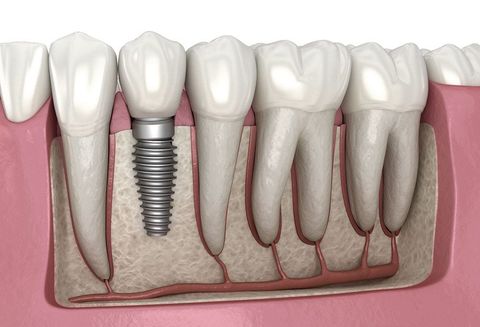
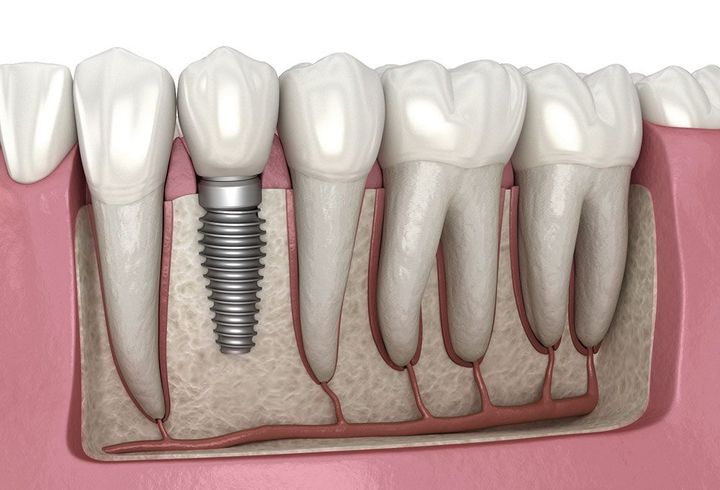
A dental implant is a small device placed into the jawbone to support a replacement tooth or dental prosthesis. The implant itself typically functions as an artificial tooth root.
A complete implant restoration commonly includes three main components:
- Implant: The component positioned within the jawbone.
- Abutment: A connector attached to the implant.
- Crown or prosthesis: The visible replacement tooth or teeth.
The implant can provide a stable foundation while the surrounding bone heals and integrates with the implant surface.
How Dental Implants Work
Dental implants rely on a biological process called osseointegration, in which bone grows around and integrates with the implant surface.
Once sufficient healing has occurred, the implant can support an abutment and restoration.
The overall treatment timeline varies considerably. Factors such as bone condition, healing capacity, treatment complexity, and whether additional procedures are necessary can affect the schedule.
Dental Implant Procedure
The dental implant procedure generally consists of several stages.
1. Initial Evaluation
A dentist or oral health professional examines the mouth, teeth, gums, and jawbone. Imaging may be used to evaluate bone structure and determine the position of important anatomical structures.
The assessment can help determine whether an implant is appropriate and whether additional treatment may be required.
2. Treatment Planning
The dental professional develops a treatment plan based on the missing tooth or teeth, available bone, bite relationship, and overall oral health.
Digital imaging and planning software may be used to determine an appropriate implant position.
3. Implant Placement
During implant placement, the implant is positioned within the jawbone. Local anesthesia or another appropriate form of anesthesia may be used depending on the procedure and patient circumstances.
4. Healing and Integration
The implant requires time to heal and integrate with the surrounding bone. The duration varies between individuals and treatment situations.
5. Abutment Placement
After appropriate healing, an abutment may be attached to the implant. In some treatment approaches, this component may be placed during the initial implant procedure.
6. Dental Restoration
A custom-made crown, bridge, denture, or other prosthesis can then be attached to the implant system.
Dental Implant Options
The appropriate implant approach depends on how many teeth are missing and the condition of the surrounding structures.
Single Tooth Dental Implant
A single tooth dental implant is designed to replace one missing tooth without requiring adjacent healthy teeth to support the restoration.
The implant supports an individual crown, creating a replacement that is independent of neighboring teeth.
Multiple Dental Implants
When several teeth are missing, multiple implants can support a series of crowns or a dental bridge.
The number and positioning of implants depend on the patient's anatomy and the proposed restoration.
Full Mouth Dental Implants
Full mouth dental implants can be used in selected cases involving extensive tooth loss. Rather than placing an implant for every missing tooth, strategically positioned implants may support fixed or removable prosthetic teeth.
The exact treatment approach varies according to bone structure, oral health, restoration design, and clinical assessment.
Dental Implant Materials
Modern implants are commonly manufactured from biocompatible materials.
Titanium
Titanium is widely used because of its mechanical properties, biocompatibility, and established history in implant dentistry.
Zirconia
Zirconia implants are another option available in certain situations. They are ceramic-based and may be considered when specific clinical or aesthetic factors are relevant.
Material selection should be based on the clinical situation and the recommendation of the dental professional.
Dental Implant Technology
Advances in dental implant technology have improved treatment planning and precision.
Digital Imaging
Three-dimensional imaging can provide detailed information about jawbone anatomy and important structures. This information can support treatment planning.
Computer-Aided Planning
Digital software can help clinicians evaluate implant positions before treatment. It can also assist with the design of surgical guides and restorations.
Digital Impressions
Intraoral scanners can capture digital information about the mouth without relying exclusively on traditional impression materials.
CAD/CAM Restorations
Computer-aided design and manufacturing technologies can be used to create customized crowns, bridges, and other implant-supported restorations.
Dental Implant Restoration
Dental implant restoration is the stage where the visible replacement tooth or prosthesis is connected to the implant system.
Restorations can include:
- Individual crowns
- Implant-supported bridges
- Partial dentures
- Full-arch prostheses
- Other customized dental restorations
The restoration is designed according to the patient's bite, tooth position, appearance, and functional requirements.
Potential Benefits of Dental Implants
Dental implants can provide several potential advantages when appropriately planned and maintained.
Stability
Implant-supported teeth are anchored to the jawbone, which can provide greater stability than some removable replacement options.
Natural-Looking Appearance
A carefully designed crown or prosthesis can be matched to surrounding teeth in shape, size, and appearance.
Support for Chewing
A stable dental restoration can help restore chewing function following tooth loss.
Independent Tooth Replacement
A single implant can replace an individual missing tooth without requiring neighboring teeth to act as the primary support for the restoration.
Dental Implant Surgery: Important Considerations
Although dental implants are routinely used, implant surgery is still a medical procedure and requires careful evaluation.
Potential complications can include:
- Infection
- Bleeding
- Swelling
- Discomfort
- Nerve-related complications
- Implant failure
- Problems with surrounding tissues
- Sinus-related complications in selected upper-jaw cases
The risks vary according to the procedure and individual circumstances.
Bone Grafting and Other Preparatory Procedures
Some patients may not have sufficient bone volume for immediate implant placement in the intended position.
A dentist may therefore recommend a bone-grafting procedure or another preparatory treatment.
For implants in certain areas of the upper jaw, a sinus-related augmentation procedure may also be considered.
Whether additional treatment is necessary depends on imaging, bone anatomy, implant position, and the planned restoration.
Factors That Can Affect Implant Success
Several factors can influence the outcome of implant treatment.
Oral Hygiene
Good oral hygiene helps maintain the health of the gums and tissues surrounding the implant.
Smoking
Tobacco use can negatively affect healing and oral health. Patients should discuss tobacco use with their dental professional before undergoing implant treatment.
Bone Quality
Adequate bone structure supports implant stability. Bone quality and quantity are therefore important during treatment planning.
Gum Health
Existing gum disease may need to be addressed before implant placement.
Overall Health
Certain medical conditions and medications can influence healing and treatment suitability. A complete medical history should be provided to the dental professional.
Dental Implant Aftercare
After implant treatment, patients should follow the specific instructions provided by their dental team.
General considerations may include:
- Maintaining appropriate oral hygiene.
- Following post-procedure dietary recommendations.
- Avoiding behaviors that can interfere with healing.
- Attending scheduled follow-up appointments.
- Using prescribed medications as directed.
- Reporting unusual pain, swelling, bleeding, or other concerning symptoms.
Long-term maintenance is important because implants can still be affected by inflammation and surrounding tissue problems.
Dental Implants vs. Other Tooth Replacement Options
Dental implants are one of several approaches for replacing missing teeth.
| Option | Main Support | Removable | Common Consideration |
|---|---|---|---|
| Dental implant | Jawbone | Usually no | Stable tooth replacement |
| Dental bridge | Adjacent teeth/implants | Usually no | Replaces one or more teeth |
| Denture | Oral tissues and/or implants | Yes | Multiple missing teeth |
| Implant-supported denture | Dental implants | Depends on design | Added stability |
The best option depends on oral health, anatomy, number of missing teeth, functional requirements, preferences, and professional assessment.
Who May Be a Candidate for Dental Implants?
Dental implant candidacy varies from person to person. A dental professional may consider factors such as:
- Missing one or more teeth
- Adequate or restorable jawbone
- Healthy or treatable gums
- Good oral hygiene
- Appropriate overall health
- Ability to maintain follow-up care
- Realistic expectations
Age alone does not necessarily determine candidacy. Individual oral and general health factors are more important.
Frequently Asked Questions
What are dental implants?
Dental implants are artificial tooth-root structures placed into the jawbone to support replacement teeth. They can be used for individual missing teeth, multiple teeth, or selected full-arch restorations.
How long does a dental implant procedure take?
Treatment time varies. Implant placement itself may be relatively brief, but the complete process can take several months when healing, bone integration, additional procedures, and restoration are included.
Are dental implants suitable for everyone?
No. Suitability depends on factors such as bone condition, gum health, oral hygiene, general health, medications, and individual treatment requirements. A dental evaluation is necessary.
What materials are used for dental implants?
Titanium is widely used for dental implants, while zirconia is another available material. The appropriate choice depends on the clinical situation and professional recommendation.
How should dental implants be maintained?
Implants require regular oral hygiene and professional dental monitoring. Brushing, appropriate cleaning between teeth, and routine dental examinations can help maintain the surrounding tissues and restoration.
Conclusion
Dental implants provide a well-established approach for replacing missing teeth by creating a stable foundation for crowns, bridges, dentures, and other restorations. The treatment can involve several stages, from assessment and planning to implant placement, healing, and final restoration.
Modern dental implant technology has expanded the tools available for imaging, planning, implant positioning, and restoration design. However, successful treatment depends on more than technology alone.
Bone condition, gum health, oral hygiene, medical history, implant positioning, restoration design, and long-term maintenance all play important roles. Anyone considering dental implants should receive an individualized evaluation from a qualified dental professional before proceeding.