Meat Processing Equipment: Complete 2026 Guide
Meat processing equipment includes specialized machinery used to prepare, cut, grind, mix, tenderize, cook, chill, inspect, and package meat products.
These systems can range from individual machines for specific tasks to fully integrated production lines designed for high-volume food processing.
The equipment selected depends on the type of meat, finished product, production capacity, hygiene requirements, processing method, and degree of automation. Understanding the different stages and machine types helps processors develop an efficient and controlled production workflow.
Why Meat Processing Equipment Matters
Meat processing involves multiple operations between raw material preparation and the final packaged product. Manual handling alone can make it difficult to maintain consistent dimensions, portion sizes, processing times, and production throughput.
Modern equipment can support:
- Meat cutting and portioning
- Grinding and mincing
- Mixing and blending
- Tenderizing
- Stuffing and forming
- Cooking and thermal processing
- Chilling and cooling
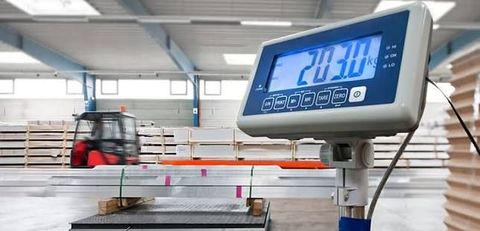
- Inspection and weighing
- Packaging and sealing
Different products require different combinations of these processes. Ground meat, sausages, cooked meat products, sliced products, and portioned cuts each have distinct equipment requirements.
How Meat Processing Equipment Works
A typical meat processing operation follows several stages. The exact sequence varies according to the product and processing method.
1. Raw Meat Receiving and Inspection
Processing begins when raw meat enters the facility.
The incoming material may be inspected for condition, temperature, appearance, and other defined quality parameters. Appropriate chilled handling helps maintain the required processing conditions before further preparation.
Raw materials can then move through conveyors, carts, bins, or automated handling systems.
2. Cutting and Portioning
Cutting equipment reduces larger pieces into specific portions or dimensions.
Depending on the application, machines may perform:
- Slicing
- Dicing
- Strip cutting
- Portion cutting
- Cubing
- Trimming
Automated cutting systems can provide more consistent portion dimensions than manual preparation, particularly in high-throughput environments.
3. Meat Grinding
Grinding machines reduce meat pieces into smaller particles.
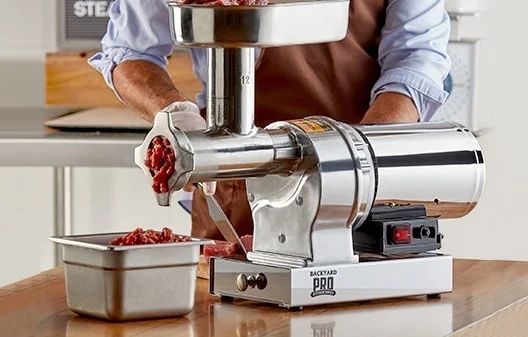
A typical grinder uses a feeding mechanism to move meat toward rotating knives and perforated plates. The plate configuration determines the approximate particle size.
Different products may require different grind sizes, such as coarse, medium, or fine textures.
4. Mixing and Blending
Mixers combine ground meat with ingredients, seasonings, or other components according to the product formulation.
Paddle, ribbon, or other mixing mechanisms move the material throughout the chamber to achieve a consistent blend.
Mixing equipment is commonly used for products such as sausages, burgers, meatballs, and formulated meat products.
5. Tenderizing
Tenderizing equipment mechanically alters meat structure to improve texture or prepare products for further processing.
Machines may use blades, rollers, needles, or other mechanisms depending on the application.
Tenderizing parameters need to be matched to the product to avoid excessive damage to the meat structure.
6. Forming and Stuffing
Forming equipment shapes processed meat into consistent products.
Forming machines can produce items such as:
- Patties
- Meatballs
- Nuggets
- Portions
- Other molded products
Stuffing machines are commonly used for sausages and similar products, transferring prepared mixtures into casings or suitable packaging formats.
7. Cooking and Thermal Processing
Some meat products undergo controlled cooking or thermal processing.
Equipment may include:
- Steam cookers
- Continuous cooking systems
- Smokehouses
- Ovens
- Kettles
- Thermal processing systems
Temperature, time, humidity, airflow, and other parameters can be controlled according to the product and process requirements.
8. Chilling and Cooling
After cooking, products may require controlled cooling before additional processing or packaging.
Cooling systems can use refrigerated air, chilled water, or other suitable methods.
Maintaining appropriate product temperatures is an important part of hygienic meat processing and product handling.
9. Inspection and Weighing
Processed products can undergo inspection before packaging.
Automated systems may check characteristics such as:
- Product weight
- Dimensions
- Appearance
- Package integrity
- Foreign material
- Product temperature
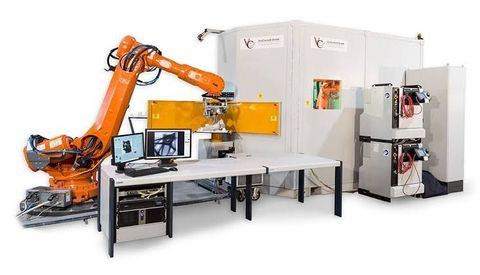
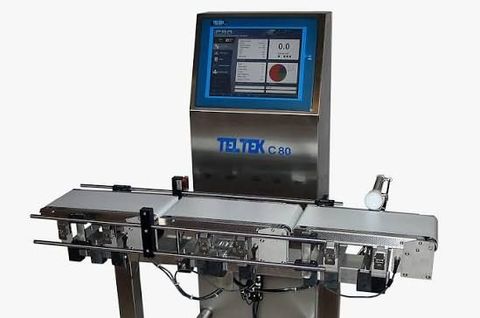
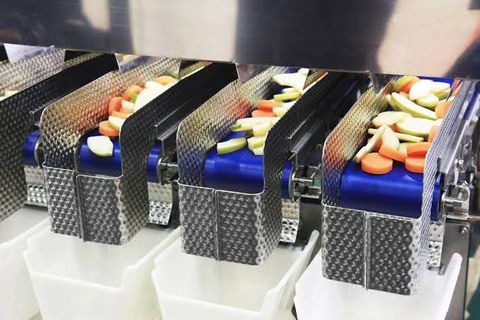
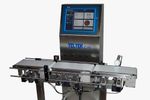
Checkweighers, metal detectors, X-ray inspection systems, and vision systems can be integrated into suitable processing lines.
10. Packaging
Packaging equipment prepares processed meat for distribution and storage.
Depending on the product, packaging may involve:
- Vacuum packaging
- Modified-atmosphere packaging
- Tray sealing
- Thermoforming
- Pouch packaging
- Flow wrapping
Automated systems can combine weighing, filling, sealing, coding, labeling, and inspection operations.
Main Types of Meat Processing Equipment
Meat Cutting Equipment
Cutting machines divide meat into predetermined sizes and shapes.
They can be configured for slicing, dicing, strip cutting, portioning, or other preparation requirements.
Meat Grinders
Industrial grinders reduce meat into consistent particle sizes.
They are commonly used for ground beef, sausage mixtures, meatballs, patties, and other processed products.
Meat Mixers
Mixers combine meat with ingredients and seasonings.
Industrial mixing systems are designed to provide consistent blending while handling large batches.
Meat Tenderizing Equipment
Tenderizers mechanically process meat to modify its texture and prepare it for cooking or further processing.
Sausage Processing Equipment
Sausage production may require grinders, mixers, emulsifiers, stuffers, linking equipment, cooking systems, and packaging machinery.
These machines can be arranged into a continuous production line or operated individually.
Meat Forming Machines
Forming equipment shapes prepared meat mixtures into standardized portions.
Burger patties, meatballs, nuggets, and other formed products can be produced using different forming systems.
Meat Packaging Equipment
Packaging systems protect processed products and prepare them for storage and distribution.
Vacuum packaging and modified-atmosphere packaging are examples of technologies used for packaged meat products.
Meat Processing Equipment Comparison
| Equipment Type | Main Function | Common Applications |
|---|---|---|
| Meat cutter | Cuts and portions meat | Fresh cuts, strips, portions |
| Meat grinder | Reduces particle size | Ground meat, sausage |
| Meat mixer | Blends ingredients | Sausages, patties, meatballs |
| Tenderizer | Modifies meat structure | Steaks, prepared cuts |
| Meat former | Shapes products | Patties, nuggets, meatballs |
| Sausage stuffer | Fills casings | Sausage production |
| Cooker | Applies controlled heat | Cooked meat products |
| Chilling system | Reduces product temperature | Cooked and processed meat |
| Packaging machine | Seals and protects products | Vacuum and tray packaging |
| Inspection system | Checks product or package | Quality and safety control |
Factors to Consider When Selecting Meat Processing Equipment
Meat Type
Different meats have different characteristics that influence equipment configuration.
Beef, pork, poultry, and other meat products can vary in texture, fat content, size, and processing requirements.
Finished Product
The final product is one of the most important factors.
A processor producing fresh cuts may need cutting and portioning equipment, while a sausage producer may require grinding, mixing, stuffing, linking, cooking, chilling, and packaging systems.
Production Capacity
Equipment capacity should correspond with expected production volume.
Higher-throughput facilities may benefit from automated conveyors and integrated processing lines, while smaller operations may use standalone machines.
Product Consistency
Cut dimensions, grind size, portion weight, mixing uniformity, and forming accuracy can all influence the final product.
Equipment should therefore provide appropriate control over the parameters that matter most for the specific application.
Hygiene and Sanitation
Meat processing equipment requires careful hygienic design and sanitation procedures.
Important considerations include:
- Food-contact materials
- Accessible surfaces
- Drainage
- Equipment cleanability
- Reduced product accumulation points
- Appropriate cleaning procedures
Equipment design should support the facility's established food-safety program and applicable regulatory requirements.
Automation Level
Automation can range from manually loaded machines to highly integrated processing lines.
Automated systems may coordinate conveyors, cutting, weighing, inspection, packaging, and other stages through centralized controls.
Applications of Meat Processing Equipment
Meat processing machinery is used across several product categories.
| Product Category | Common Processing Stages |
|---|---|
| Fresh meat cuts | Cutting, trimming, portioning, packaging |
| Ground meat | Cutting, grinding, weighing, packaging |
| Sausages | Grinding, mixing, stuffing, linking, cooking |
| Meatballs | Grinding, mixing, forming, cooking |
| Burger patties | Grinding, mixing, forming, packaging |
| Cooked meat | Preparation, cooking, chilling, packaging |
| Sliced meat | Cooking, chilling, slicing, packaging |
| Prepared meat products | Mixing, forming, cooking, inspection, packaging |
Automation and 2026 Technology
Modern meat processing facilities increasingly combine mechanical equipment with sensors, programmable controls, automated material handling, inspection systems, and digital monitoring.
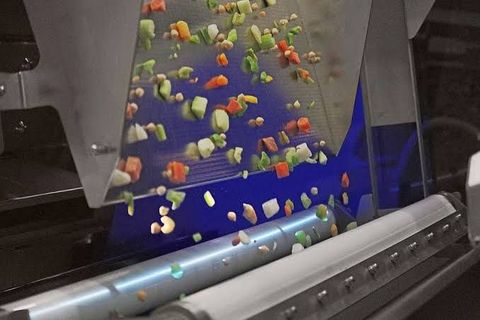
Vision systems can support product inspection, while automated weighing equipment can monitor portion consistency. Metal detection and X-ray inspection can also be integrated at suitable points in a production line.
Robotic handling systems can assist with repetitive material movement, loading, sorting, and packaging operations. The appropriate level of automation depends on production requirements, product characteristics, facility design, and operational priorities.
Best Practices for Meat Processing Operations
Consistent meat processing requires coordinated control of raw materials, equipment, temperature, sanitation, and production parameters.
Important practices include:
- Inspect incoming raw materials.
- Maintain appropriate temperature control.
- Keep product-contact surfaces clean.
- Check cutting and grinding components regularly.
- Verify grind size and portion dimensions.
- Monitor mixing consistency.
- Control cooking parameters where applicable.
- Maintain appropriate chilling conditions.
- Inspect packaging integrity.
- Calibrate weighing and inspection equipment.
- Follow established sanitation procedures.
- Perform preventive maintenance on processing machinery.
Regular monitoring can help identify process deviations before they affect larger quantities of production.
Who Needs Meat Processing Equipment?
Meat processing equipment is relevant to operations producing:
- Fresh meat portions
- Ground meat
- Sausages
- Burgers and patties
- Meatballs
- Cooked meat products
- Sliced meat products
- Prepared and packaged meat products
The required equipment configuration differs considerably between these applications. A processing line should therefore be designed around the actual product, production volume, processing sequence, and facility requirements.
Frequently Asked Questions
What is meat processing equipment?
Meat processing equipment refers to machinery used to prepare and process meat through operations such as cutting, grinding, mixing, tenderizing, forming, cooking, chilling, inspection, and packaging.
What machines are used in meat processing?
Common machines include meat cutters, grinders, mixers, tenderizers, forming machines, sausage stuffers, cookers, chilling systems, inspection equipment, and packaging machines.
How does a meat processing line work?
A typical line moves meat through receiving and inspection, preparation, cutting or grinding, mixing or forming, cooking when required, chilling, inspection, and packaging. The sequence varies according to the finished product.
What factors affect meat processing equipment selection?
Meat type, product format, production capacity, processing stages, portion requirements, hygiene considerations, automation level, and facility layout can all influence equipment selection.
Can meat processing equipment be automated?
Yes. Individual machines can be automated, or multiple stages can be connected through conveyors, sensors, programmable controls, weighing systems, inspection equipment, and automated packaging systems.
Conclusion
Meat processing equipment provides the machinery needed to transform raw meat into consistent fresh, ground, formed, cooked, sliced, or packaged products. The equipment can cover everything from cutting and grinding to mixing, forming, thermal processing, chilling, inspection, and packaging.
Selecting the right system requires consideration of the meat type, finished product, production volume, hygiene requirements, processing sequence, and automation level. A properly configured processing line can help maintain controlled processing conditions and consistent product handling throughout production.