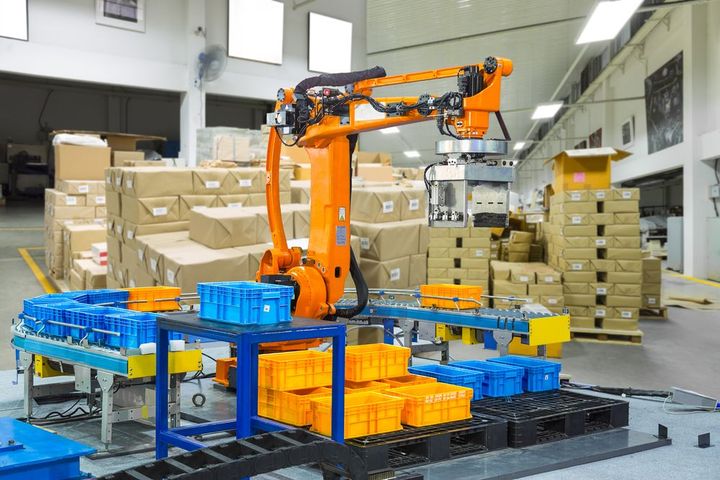
Material Handling Machines Overview: Explore Key Facts, Functions, and Industrial Applications
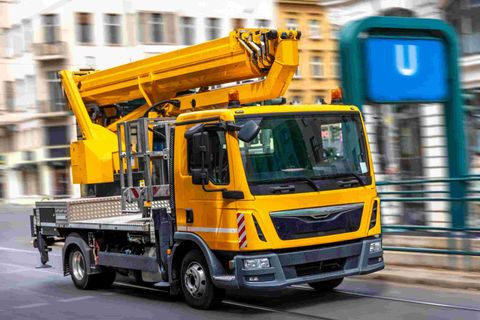
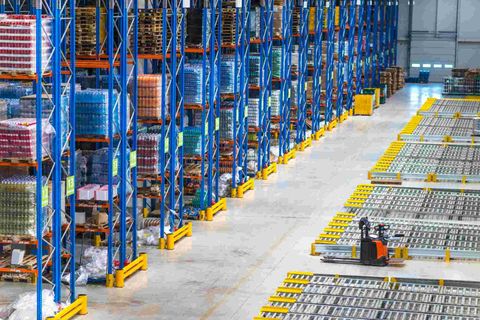
Material handling refers to the movement, storage, control, and protection of materials and products throughout manufacturing, warehousing, distribution, consumption, and disposal. Machines involved in this process—often called material handling machines—include conveyors, lifts, cranes, automated guided vehicles (AGVs), pallet trucks, and racking systems.
These machines reduce the reliance on manual labour and improve speed, safety, and efficiency in operations. In a factory setting, for example, a pallet of components can be transferred quickly and safely using a forklift or overhead crane instead of multiple workers carrying it manually. Material handling machines exist because large-scale production and logistics demand faster, safer, and more reliable material flow across every stage of the supply chain.
They play an essential role in the smooth movement of goods from raw material to finished product and further into distribution networks. Their evolution has been driven by the need for operational efficiency, precision, and reduced human strain in industries of all sizes.
Importance
Material handling machines are vital for several reasons:
-
Operational Efficiency: They optimise production flow, reduce downtime, and minimise bottlenecks in warehouses and factories. By handling materials systematically, industries can achieve faster turnaround times and greater productivity.
-
Safety and Ergonomics: Manual handling can cause injuries such as strains and sprains. Machines reduce these risks and promote safer working environments.
-
Material Protection: Automated systems and proper equipment prevent damage to materials and finished goods, maintaining product quality and reducing wastage.
-
Support for Growing Industries: Manufacturing, logistics, and e-commerce rely heavily on efficient handling systems. The increasing demand for fast deliveries and bulk movement of goods makes material handling equipment indispensable.
-
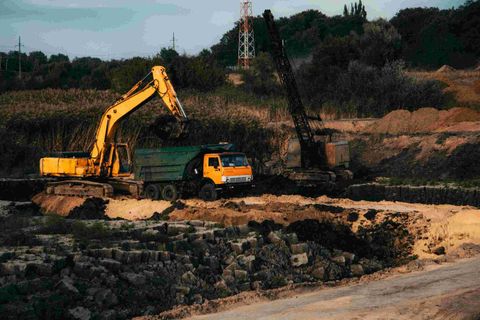
Industry Versatility: These machines are used across automotive, electronics, food processing, construction, mining, and logistics sectors. Each industry applies them differently but with the same goal—safe, efficient, and precise material management.
By integrating these systems, industries can meet modern production demands, maintain safety compliance, and achieve consistent output without overburdening their workforce.
Recent Updates
The material handling machine landscape has changed considerably in recent years. Key trends observed in 2024–2025 include:
-
Automation and Robotics: Smart systems using robots, AGVs, and AI-driven monitoring are improving accuracy and reducing human intervention in warehouses and factories.
-
Sustainability Focus: Manufacturers are developing eco-friendly handling machines using recycled materials and energy-efficient motors to lower carbon footprints.
-
Market Growth: The global market for material handling equipment is expected to surpass USD 259 billion in 2025 and continue to grow through 2034. In India, the market is projected to reach over USD 22 billion by 2033.
-
Compact and Modular Designs: Urban warehousing and space-constrained environments have led to the creation of smaller, more flexible machines that adapt easily to limited layouts.
-
Enhanced Worker Safety: New safety features, including sensors and automated shutdowns, are being integrated to meet rising industrial safety standards.
-
Digital Integration: Smart connectivity allows machines to communicate within factory networks, track performance, and schedule maintenance automatically.
These trends indicate that the future of material handling lies in digital transformation, sustainability, and human-machine collaboration.
Laws or Policies
Material handling machines are subject to several regulations and standards that ensure their safe use and manufacture.
In India, the Bureau of Indian Standards (BIS) issues safety and operational standards for different categories of material handling equipment, such as cranes, hoists, and conveyors. The “Manual Material Handling Standard 2025” highlights ergonomic practices, operator training, and workplace safety for manual and mechanical handling.
Warehousing standards released in mid-2025 emphasise the use of certified equipment, safety inspections, and periodic maintenance. These standards align with occupational safety and health guidelines that apply across industrial operations.
Globally, compliance with International Organization for Standardization (ISO) norms, energy efficiency regulations, and environmental protection rules is necessary for export and operation. Manufacturers and facility operators are required to adhere to these frameworks to ensure worker safety, prevent equipment failure, and promote sustainable practices.
Tools and Resources
The following resources and tools help professionals select, operate, and manage material handling machines effectively:
-
Industry Reports and Databases: Market research platforms provide data on trends, equipment categories, and forecasts.
-
National and International Standards: Documents from BIS and ISO outline design, safety, and performance requirements for various machine types.
-
Safety Checklists: Standardised inspection templates ensure regular maintenance and operator compliance.
-
Warehouse Planning Tools: Digital layout planners and simulation software help optimise material flow and space utilisation.
-
Training Programs: Skill-development courses for material handling equipment operators and technicians are available through industrial training institutes and logistics councils.
-
Automation Software: Predictive maintenance tools use sensors and data analytics to forecast potential equipment failures and reduce downtime.
These resources support industries in improving operational safety, performance tracking, and decision-making around equipment selection and layout planning.
FAQs
What are material handling machines?
They are mechanical or automated systems designed to move, store, control, or protect materials during manufacturing, storage, and distribution processes. Examples include forklifts, conveyors, cranes, and robotic handlers.
Why are material handling machines important?
They improve productivity, reduce manual labour risks, enhance safety, and ensure efficient use of space and time across manufacturing and logistics operations.
What are the current trends in material handling?
Automation, robotics, sustainability, and digital connectivity are the leading trends. Machines are becoming smarter, smaller, and more adaptable to modern industrial needs.
Are there any specific laws governing material handling in India?
Yes. Indian Standards published by BIS outline safety codes for equipment design and operation. Additionally, national occupational safety guidelines regulate workplace handling practices and operator training.
Which industries depend most on material handling machines?
Sectors such as manufacturing, logistics, construction, mining, and e-commerce depend heavily on these machines to move raw materials and finished goods efficiently.
Conclusion
Material handling machines form the backbone of modern industrial operations, bridging the gap between production and distribution. They enhance productivity, protect workers, and streamline movement across supply chains.
With automation, robotics, and sustainable practices reshaping the industrial landscape, these machines are becoming more intelligent and integrated. Adherence to safety standards and adoption of modern tools ensure that companies remain compliant, efficient, and competitive.
As industries continue to grow and technology advances, material handling machines will remain essential for maintaining efficiency, safety, and reliability in every phase of production and logistics.