Learn About Slitting Machines: Guide, Knowledge & Helpful Information
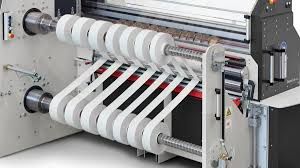
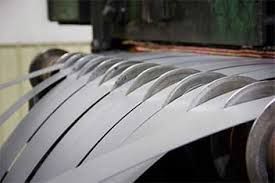
Understanding Slitting Machines and Their Purpose Slitting machines are industrial tools used to cut large rolls of material—such as paper, plastic, metal, or textiles—into narrower strips. These machines play a critical role in the converting industry, where bulk materials need to be prepared for manufacturing or packaging processes.
The concept of slitting originated from the need to improve efficiency in material processing. Instead of handling large rolls, industries realized that narrow, precisely cut strips were easier to manage, customize, and apply in various production lines.
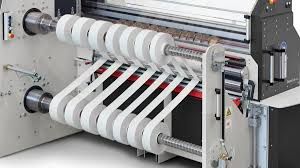
A slitting machine consists of an unwinding system, slitting section, and rewinding mechanism. The process involves unwinding the large roll, cutting it with rotary or razor blades, and then rewinding the smaller rolls. The cutting method depends on the material type, required precision, and end-use application.
Importance of Slitting Machines in Modern Industry
Slitting machines have become essential across multiple sectors, including packaging, automotive, construction, and electronics. Their importance lies in their ability to enhance production accuracy, reduce material waste, and improve operational speed.
In industries such as flexible packaging, slitting ensures uniform roll width for lamination, coating, and printing. In the metal industry, precision slitting supports the manufacturing of coils used in automotive parts and electronics.
Key advantages of slitting machines include:
-
Efficiency: High-speed cutting reduces downtime and increases output.
-
Accuracy: Computerized controls ensure consistent dimensions.
-
Versatility: Capable of handling diverse materials—films, foils, paper, and metals.
-
Sustainability: Improved cutting reduces material waste, supporting eco-friendly manufacturing.
For manufacturers, slitting machines help solve operational challenges like uneven roll edges, product inconsistency, and slow manual cutting. As industries grow more quality-conscious, the demand for automated and digitally controlled slitting systems continues to rise.
Recent Updates and Trends in Slitting Technology
Over the past few years, the slitting machine industry has witnessed major technological developments. The integration of automation, artificial intelligence (AI), and data analytics has transformed the way these machines operate.
Key updates and innovations (2023–2025):
| Trend | Description | Impact |
|---|---|---|
| Automation Integration | PLC and servo motor controls now allow faster, error-free operations. | Improves precision and reduces manual intervention. |
| AI & Smart Monitoring | AI-based sensors track blade wear and tension control in real time. | Enhances machine longevity and process reliability. |
| Eco-Friendly Design | Energy-efficient motors and recyclable materials used in construction. | Lowers carbon footprint and aligns with sustainability goals. |
| Industry 4.0 Connectivity | Machines connected to IoT platforms for predictive maintenance. | Minimizes downtime through real-time diagnostics. |
In 2024, many manufacturers introduced digital slitting management systems that provide operators with instant feedback on cutting performance and material usage. These systems enable better process optimization and help reduce waste.
Furthermore, demand for modular slitting units has increased, allowing companies to adapt to multiple materials without full machine replacement.
Regulations and Industrial Standards Affecting Slitting Machines
Slitting machines, like all industrial equipment, are subject to several safety, quality, and environmental regulations. These rules ensure safe operation, worker protection, and product consistency.
International Standards:
-
ISO 13849-1: Ensures safety of machinery through performance-based risk assessments.
-
CE Marking (Europe): Certifies that machines meet EU safety and environmental requirements.
-
ANSI B11 (USA): Covers safety standards for metal and material processing machines.
In India, slitting machine operations are guided by the Bureau of Indian Standards (BIS) under IS 302 (safety of electrical equipment) and IS 12566 (industrial machinery safety). Additionally, factories using such machines must comply with the Factories Act, 1948, which mandates mechanical safeguards and worker training.
Environmental compliance has also become crucial. Many governments encourage manufacturers to adopt energy-efficient motors, low-emission lubricants, and recyclable components. This aligns with sustainability programs like India’s National Clean Manufacturing Mission and the EU’s Green Deal Initiative.
Tools and Resources for Learning About Slitting Machines
For professionals, students, and engineers who want to explore slitting technologies in depth, several digital and technical resources are available:
Technical Websites and Portals:
-
ResearchGate – Offers papers on slitting dynamics and material behavior.
-
ScienceDirect – Hosts detailed articles about cutting mechanics and control systems.
-
Machinery Update – Covers recent launches and industrial automation news.
-
Engineering Toolbox – Provides calculators for tension, torque, and speed control.
Simulation and Calculation Tools:
-
Roll Diameter Calculator: Estimates roll sizes based on material thickness and core size.
-
Slitting Speed Optimizer: Helps determine ideal cutting speed for different materials.
-
Maintenance Tracking Software: Monitors blade life, lubrication, and runtime.
Educational Resources:
-
Online video demonstrations on platforms like YouTube Engineering Channels.
-
Webinars and courses from SME (Society of Manufacturing Engineers).
-
Industry exhibitions such as Plastindia, Paperex, and MetalForm Expo, which showcase innovations in slitting and converting machinery.
These resources help learners and professionals keep up with changing technologies, maintenance practices, and production optimization techniques.
Frequently Asked Questions (FAQs)
1. What is the main function of a slitting machine?
A slitting machine is designed to cut wide rolls of material into narrower rolls. It ensures precise dimensions and uniform edges for downstream manufacturing processes.
2. What materials can be processed with a slitting machine?
Slitting machines can handle a variety of materials, including plastic films, paper, aluminum foil, copper, steel coils, and nonwoven fabrics. The type of blade and speed vary by material.
3. How is a slitting machine different from a rewinding machine?
While a slitting machine focuses on cutting material, a rewinding machine is primarily used for winding and unwinding rolls. Many modern slitting systems combine both functions for efficiency.
4. Are slitting machines energy-efficient?
Modern slitting machines use servo motors, regenerative drives, and automated control systems that help minimize energy use and material waste, contributing to sustainable production.
5. How often should slitting machine blades be replaced?
Blade replacement depends on usage frequency and material hardness. Generally, blades are checked weekly and replaced after 100–200 hours of operation to maintain cutting accuracy.
Conclusion
Slitting machines represent a vital part of industrial production, ensuring materials are processed accurately, efficiently, and sustainably. With continuous advancements in automation, precision engineering, and AI-based monitoring, these machines have evolved into intelligent production tools that improve both performance and safety.
As industries continue to adopt smarter, greener technologies, the role of slitting machines will expand further — supporting innovation, material optimization, and eco-friendly manufacturing worldwide. Understanding their function, standards, and future trends helps professionals make informed decisions in design, maintenance, and process improvement.