
IoT Security Platforms: A Complete Guide with Key Insights & Helpful Information
The rise of the Internet of Things (IoT) has led to billions of devices connecting to networks—smart sensors, wearables, industrial machines, healthcare monitors, home appliances, and transportation systems. As these devices interact with cloud environments, data analytics platforms, and remote management tools, they become potential entry points for cyber threats.
These platforms help control how devices authenticate, how data is encrypted, and how suspicious activities are detected. They support secure connectivity, device lifecycle governance, and continuous monitoring, making them a foundation for safe digital ecosystems.
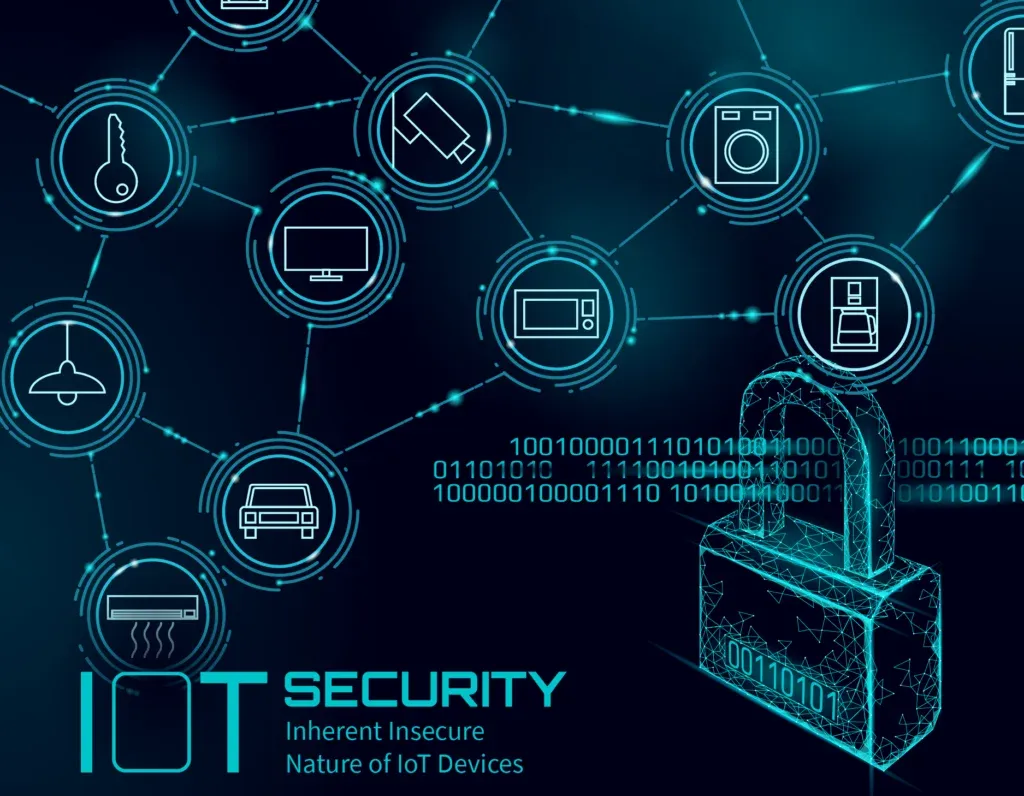
IoT security platforms have become important because connected devices now influence daily life, business operations, and essential services. These systems form the backbone of secure smart environments.
Importance: Why IoT Security Matters and Who It Impacts
IoT devices bring convenience and efficiency, but they also create a wide digital attack surface. Without proper security, devices can be misused, manipulated, or accessed without authorization.
IoT security platforms assist in reducing these risks by offering structured protection. They benefit:
-
Individuals using connected home appliances, wearables, cameras, and sensors
-
Healthcare providers relying on digital monitoring systems
-
Industrial operators using robotics, sensors, and automation networks
-
Agricultural systems using connected tools for soil, weather, and irrigation data
-
Transportation systems using connected navigation, fleet monitoring, and vehicle communication
-
Energy and utility networks depending on sensors and smart meters
Key problems addressed by IoT security platforms include:
-
Managing identity for large numbers of devices
-
Protecting sensitive data during transmission
-
Preventing unauthorized access
-
Reducing operational disruptions caused by cyber threats
-
Ensuring reliability in critical systems like industrial processes and health monitoring
-
Maintaining trust in connected technologies
As digital adoption grows, IoT security platforms play a central role in supporting safe, resilient networks for both personal and industrial environments.
Recent Updates: Ongoing Trends and Developments in IoT Security
IoT security evolves continuously as device usage expands and new technologies emerge. Instead of focusing on specific years, the following updates reflect ongoing and current patterns seen across the IoT landscape.
Ongoing developments include:
-
Greater use of zero-trust principles:
More IoT environments now treat every device and connection as unverified by default, improving access control. -
Increasing reliance on AI-based detection:
Security platforms are integrating machine-learning tools to observe behavior patterns and detect unusual device activity in real time. -
Growing adoption of unified communication standards:
Smart home and consumer IoT ecosystems continue to move toward interoperable protocols that support stronger identity and encryption models. -
Expansion of secure device lifecycle management:
Organizations are focusing more on secure boot processes, verified firmware updates, and controlled device retirement. -
More attention on supply-chain security:
There is increased awareness around ensuring firmware integrity, validating hardware components, and tracking device origins. -
Exploration of advanced cryptographic methods:
Research and implementation efforts continue toward encryption approaches designed to withstand evolving computational capabilities.
These trends highlight an industry shift toward automation, continuous monitoring, and secure-by-design principles.
Laws or Policies Affecting IoT Security
IoT security is shaped by regulations, national cybersecurity programs, and international guidelines. These policies help encourage better security practices across manufacturers, device users, and organizations.
Key Policies and Frameworks Across Regions
| Region | Policy / Framework | Key Focus Areas |
|---|---|---|
| United States | Federal IoT security guidelines | Basic device protections, secure software development, identity management |
| European Union | Regulations on digital product security | Mandatory protections for connected devices, reporting expectations, transparency requirements |
| United Kingdom | Connected device standards | Unique device credentials, vulnerability disclosure processes, security information for consumers |
| India | National cybersecurity strategy initiatives | Safe IoT adoption, secure infrastructure, improved device governance |
| Asia-Pacific regions | Various national frameworks | Device certification, secure-by-design practices, encryption and update requirements |
Common regulatory expectations across regions include:
-
Clear device identity
-
Strong authentication
-
Secure, verified updates
-
Data protection requirements
-
Transparent documentation for users
-
Defined processes for reporting vulnerabilities
These laws influence how IoT security platforms are designed and how organizations maintain compliance.
Tools and Resources Related to IoT Security Platforms
Many tools, platforms, and online resources support IoT security operations, monitoring, and risk assessment.
Widely Used IoT Security Platforms
-
Azure IoT Defender – Used for device monitoring and behavioral analysis
-
AWS IoT Device Defender – Provides audits, alerting, and security policy evaluations
-
Google Cloud IoT related security tools – Offer secure connectivity and identity features
-
IBM IoT Security Frameworks – Support lifecycle protection and industrial IoT governance
-
Cisco IoT Security Solutions – Help with network segmentation and device visibility
These platforms allow organizations to manage access control, monitor threats, and apply encryption across connected environments.
Helpful Open-Source Tools
-
Eclipse IoT initiatives for secure communication libraries
-
OpenSSL for encryption
-
Zephyr RTOS security components including secure boot and verified updates
Useful Websites and Knowledge Sources
-
Global cybersecurity centers
-
Security guidelines from NIST and ETSI
-
Device security certification portals
-
IoT risk-management best practice hubs
Templates and Checklists
-
IoT device inventory templates
-
Access-control planning sheets
-
Firmware update policy templates
-
Security configuration checklists
These tools assist in maintaining structured, well-documented security practices across IoT deployments.
FAQs
What does an IoT security platform do?
It manages device identity, encrypts data, monitors risks, and helps protect communication between connected devices.
Why are connected devices considered vulnerable?
Many devices have limited computing power, making it harder to implement strong protective features. Large numbers of devices also increase the chance of exposure to threats.
How does monitoring work in IoT security?
It involves analyzing traffic, observing device behavior, and detecting unusual patterns that could indicate security issues.
Are there international standards for IoT protection?
Yes. Organizations such as NIST, ETSI, and ISO publish guidelines on secure device design, updates, authentication, and data protection.
Do security requirements change over time?
Yes. As new risks and technologies emerge, regulations and best practices evolve to reflect updated needs.
Conclusion
IoT security platforms are an essential component of modern connected environments. They help ensure the safety and reliability of devices across homes, industries, healthcare systems, transportation networks, and more. As IoT adoption continues to expand, strong identity management, encryption, secure communication, and continuous monitoring become increasingly important.
Ongoing developments such as advanced analytics, secure-by-design practices, and improved communication standards continue to shape the future of IoT protection. With awareness of global policies, access to reliable tools, and clear understanding of best practices, organizations and individuals can create resilient and trustworthy IoT ecosystems.