Industrial Sealing Rings: The Complete Guide
Learn about industrial sealing rings, their types, applications, and selection criteria. Explore how these essential components prevent leaks and ensure equipment reliability across manufacturing industries.
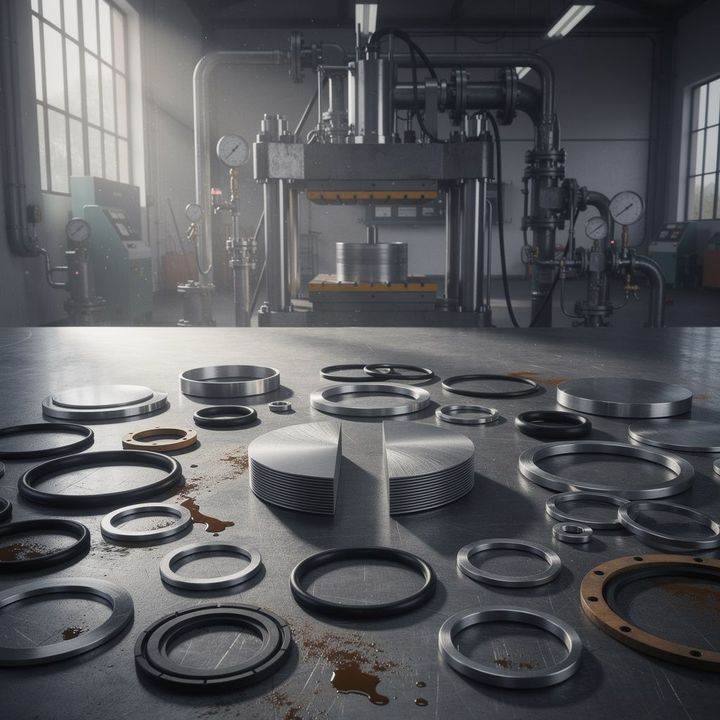
Industrial sealing rings are fundamental components in modern machinery and equipment systems. These precision-engineered devices create barriers that prevent fluid leaks, maintain pressure integrity, and protect internal components from contamination. From hydraulic systems to chemical processing equipment, sealing rings play a vital role in ensuring operational efficiency and safety across diverse industrial sectors. Understanding their characteristics, applications, and selection criteria is essential for anyone involved in equipment maintenance, design, or procurement.
Understanding Industrial Sealing Rings
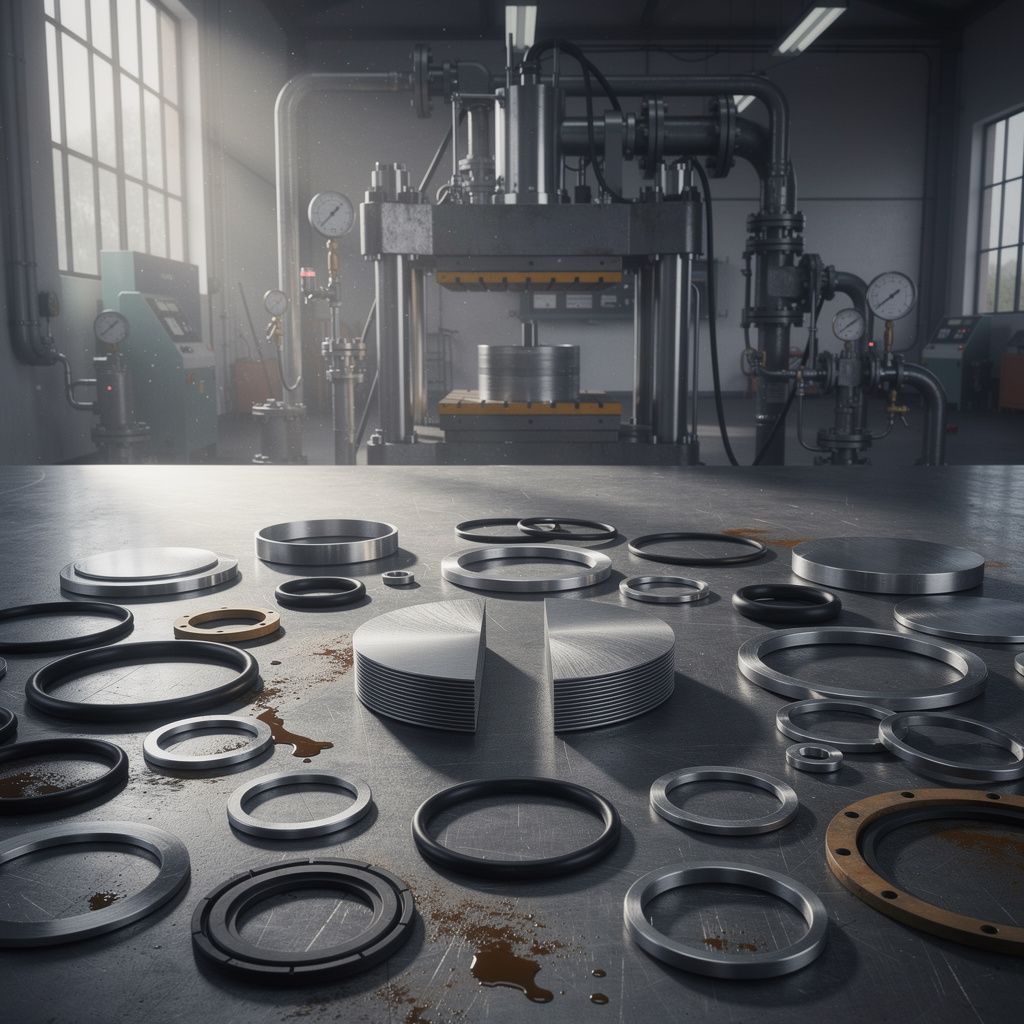
Sealing rings are mechanical components designed to create a hermetic seal between two surfaces or within a confined space. They work by applying controlled pressure and material deformation to block the passage of fluids or gases. The effectiveness of a sealing ring depends on several factors, including material composition, dimensional accuracy, surface finish, and proper installation. These components are subjected to extreme conditions including high temperatures, varying pressures, chemical exposure, and constant movement, making their engineering and selection critical to system performance.
Benefits and Limitations
Industrial sealing rings offer significant advantages in equipment reliability and operational efficiency. They reduce maintenance costs by preventing costly leaks, extend equipment lifespan by protecting internal components, and improve safety by containing hazardous fluids. Sealing rings also enable equipment to operate at higher pressures and temperatures, expanding operational capabilities. However, they do have limitations. Sealing rings require precise installation conditions, are subject to wear over time, and can be affected by chemical incompatibility with certain fluids. Environmental factors like temperature fluctuations and pressure spikes can accelerate degradation, requiring regular monitoring and replacement schedules.
Common Types of Industrial Sealing Rings
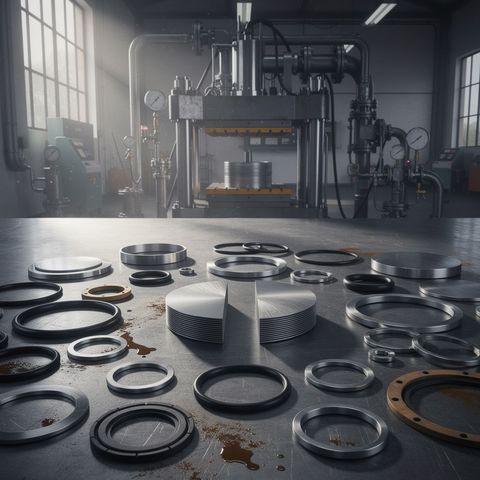
The sealing ring market encompasses several distinct categories, each designed for specific applications and operating conditions:
- O-Rings: The most widely used sealing ring type, featuring a circular cross-section. They provide excellent sealing performance in static and dynamic applications, accommodating moderate pressure and temperature ranges.
- Gaskets: Flat or shaped sealing elements used between two mating surfaces. Available in various materials including rubber, cork, and composite materials, gaskets are essential in piping systems and equipment connections.
- X-Rings and Quad Rings: Advanced designs offering superior sealing performance compared to standard O-rings, with reduced extrusion and improved pressure handling capabilities.
- Lip Seals: Specialized rings featuring flexible lips that conform to shaft surfaces, commonly used in rotating equipment and hydraulic cylinders.
- Chevron Seals: V-shaped rings stacked together to create multiple sealing surfaces, ideal for high-pressure applications and reciprocating motion.
- Mechanical Seals: Complex assemblies combining multiple components for demanding applications requiring superior performance and longevity.
Materials and Manufacturing Standards
Industrial sealing rings are manufactured from diverse materials, each offering distinct properties suited to specific environments. Elastomers like nitrile rubber, EPDM, and silicone provide flexibility and chemical resistance for general applications. Polyurethane offers superior abrasion resistance and durability in demanding conditions. PTFE and other fluoropolymers deliver exceptional chemical compatibility and temperature stability. Specialized materials like perfluoroelastomers handle extreme chemical environments. Manufacturing standards such as ISO 3384, ASTM D395, and industry-specific specifications ensure consistent quality, dimensional accuracy, and performance reliability. Manufacturers follow rigorous testing protocols including compression set testing, tensile strength evaluation, and chemical resistance verification to guarantee component reliability.
Current Industry Trends
The industrial sealing ring sector is experiencing significant evolution driven by technological advancement and changing operational demands. Manufacturers are developing advanced elastomers with extended temperature ranges and improved chemical resistance. Precision manufacturing techniques are enabling tighter tolerances and improved consistency. There is growing emphasis on sustainable materials and manufacturing processes, with development of bio-based elastomers and recyclable seal designs. Digitalization is transforming supply chains and enabling predictive maintenance through sensor-integrated seals that monitor performance conditions. Industries are increasingly adopting high-performance sealing solutions to enable more efficient equipment operation and reduce environmental impact.
Key Features and Specifications
When evaluating industrial sealing rings, several critical specifications determine suitability for specific applications:
| Specification | Description | Importance |
|---|---|---|
| Material Composition | Elastomer or polymer type used in manufacturing | Determines chemical compatibility and temperature range |
| Durometer Hardness | Material hardness measured on Shore scale | Affects sealing pressure and flexibility |
| Operating Temperature Range | Minimum and maximum temperature limits | Ensures seal integrity across operating conditions |
| Pressure Rating | Maximum pressure the seal can withstand | Prevents seal failure and extrusion |
| Chemical Compatibility | Resistance to specific fluids and substances | Prevents material degradation and seal failure |
| Dimensional Tolerances | Precise size specifications and allowable variance | Ensures proper fit and sealing performance |
Leading Manufacturers and Suppliers
The industrial sealing ring market includes numerous established manufacturers and specialized suppliers. Major global companies offer comprehensive product lines with extensive technical support and quality assurance. Regional manufacturers provide specialized solutions tailored to specific industry requirements. Distributors and specialized suppliers serve niche applications and provide local technical expertise. When selecting suppliers, consider their manufacturing certifications, quality standards compliance, technical support capabilities, and ability to provide custom solutions for specialized applications. Established relationships with reliable suppliers ensure consistent product quality and availability.
Selection and Application Guidelines
Proper seal selection requires careful evaluation of multiple factors to ensure optimal performance and longevity. Begin by identifying the specific application requirements including operating pressure, temperature range, and fluid compatibility. Evaluate the equipment design and installation environment to determine seal type and material requirements. Consider the motion characteristics—whether the seal will experience static, dynamic, or reciprocating conditions. Assess chemical compatibility with all fluids the seal will contact, including process fluids, cleaning agents, and environmental contaminants. Verify dimensional specifications including bore diameter, rod diameter, and gland design to ensure proper fit. Consult manufacturer technical data sheets and compatibility charts to confirm material suitability. When in doubt, seek guidance from seal manufacturers' technical specialists who can provide application-specific recommendations.
Installation and Maintenance Tips
Proper installation and maintenance significantly impact seal performance and lifespan. Follow these essential practices:
- Clean all mating surfaces thoroughly before installation to remove contaminants that could compromise sealing
- Use appropriate installation tools to prevent seal damage during insertion into grooves or onto shafts
- Verify proper gland dimensions and surface finish according to manufacturer specifications
- Apply appropriate lubrication during installation to facilitate proper seating
- Inspect seals regularly for signs of wear, leakage, or material degradation
- Monitor operating conditions including pressure, temperature, and fluid condition
- Replace seals according to manufacturer recommendations or when performance degradation is observed
- Maintain detailed records of seal performance and replacement schedules
- Store spare seals in appropriate conditions to prevent material degradation
- Train maintenance personnel on proper handling and installation procedures
Seal Selection Checklist
Use this checklist when evaluating and selecting industrial sealing rings:
- ☐ Identified application type and operating conditions
- ☐ Confirmed pressure and temperature requirements
- ☐ Verified chemical compatibility with all fluids
- ☐ Determined seal type and configuration needed
- ☐ Confirmed dimensional specifications and tolerances
- ☐ Reviewed manufacturer technical data and certifications
- ☐ Assessed installation environment and equipment design
- ☐ Evaluated supplier capabilities and support
- ☐ Planned maintenance and replacement schedule
- ☐ Documented specifications for future reference
Frequently Asked Questions
What is the typical lifespan of an industrial sealing ring?
Lifespan varies significantly based on material, operating conditions, and application type. O-rings typically last 2-5 years in standard applications, while high-performance seals may exceed 10 years. Harsh conditions, extreme temperatures, or chemical exposure can reduce lifespan substantially. Regular monitoring and preventive replacement based on manufacturer recommendations help avoid unexpected failures.
How do I know if a sealing ring needs replacement?
Signs of seal degradation include visible leakage, reduced sealing performance, material hardening or cracking, discoloration, or swelling. Performance monitoring systems can detect pressure loss indicating seal failure. Establish replacement schedules based on manufacturer recommendations and operational experience. Preventive replacement during scheduled maintenance prevents unexpected equipment downtime.
Can sealing rings be reused after removal?
Most elastomer seals should not be reused after removal, as installation and removal processes can damage the material and compromise sealing integrity. Mechanical seals with replaceable components may allow reuse of certain parts. Always consult manufacturer guidance before attempting to reuse seals. Cost savings from reuse typically don't justify the risk of equipment failure.
What causes premature seal failure?
Common causes include improper installation, incompatible materials, operating conditions exceeding specifications, contamination in gland areas, inadequate lubrication, and material degradation from chemical exposure. Incorrect gland design, excessive temperature fluctuations, and pressure spikes can accelerate failure. Proper selection, installation, and maintenance practices prevent most premature failures.
How do I select the correct material for my application?
Consult compatibility charts provided by seal manufacturers, considering the specific fluids your seal will contact. Verify temperature and pressure ratings match your operating conditions. Consider environmental factors and regulatory requirements. When multiple materials appear suitable, select the most robust option to provide safety margin. Technical support from manufacturers can help with complex applications.
What is the difference between static and dynamic seals?
Static seals prevent leakage between stationary surfaces or in non-moving applications. Dynamic seals accommodate motion, either rotational or reciprocating, and require different design considerations. Dynamic seals typically wear faster and may require more frequent replacement. Material selection and gland design differ significantly between these applications.
Conclusion
Industrial sealing rings represent essential components in modern equipment and machinery systems, providing critical functions that ensure operational reliability, safety, and efficiency. Understanding the diverse types, materials, and specifications available enables informed selection decisions that optimize performance and minimize operational costs. From O-rings in hydraulic systems to specialized seals in chemical processing equipment, these components deserve careful attention to selection, installation, and maintenance. By following established best practices and leveraging manufacturer technical expertise, organizations can maximize seal performance, extend equipment lifespan, and reduce unexpected downtime. As industrial applications continue to evolve and operating demands increase, staying informed about advances in sealing technology and material science ensures that your equipment operates at peak efficiency while maintaining the safety and reliability essential to modern industrial operations.