Industrial Power Generation Equipment: Trends and Basics
Industrial power generation equipment includes machines and systems that produce, control, convert, and distribute electricity for factories, infrastructure, and large facilities. Understanding these systems helps explain how reliable electricity is generated in modern industry.
Industrial power generation equipment refers to the machinery used to generate electrical energy and support its safe operation in large-scale facilities. These systems are used in manufacturing plants, processing facilities, commercial complexes, utilities, and infrastructure projects where dependable electricity is important.
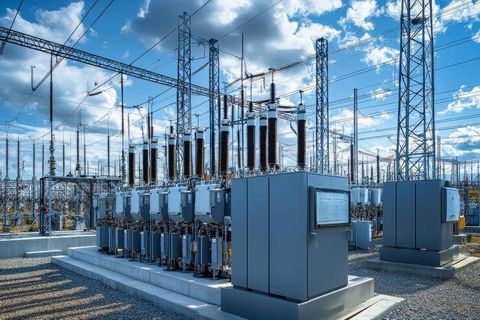
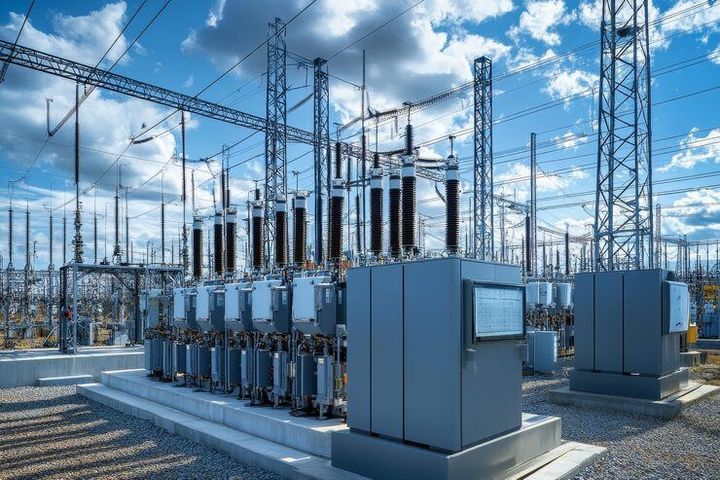
Common equipment includes generators, gas and steam turbines, boilers, alternators, transformers, switchgear, control panels, cooling systems, and energy storage equipment. Depending on the facility, generation may rely on coal, natural gas, diesel, hydro, solar, wind, nuclear energy, or hybrid systems.
The basic process is straightforward: a primary energy source drives a mechanical system, the generator converts that mechanical energy into electricity, and electrical equipment then regulates and transfers the output.
Modern industrial power generation systems are becoming more integrated. Digital controls, sensors, automation, remote monitoring, and predictive maintenance tools increasingly work together to improve operational visibility.
Major Equipment Categories
| Equipment | Main Function |
|---|---|
| Generators | Convert mechanical energy into electricity |
| Turbines | Drive generators using steam, gas, or water |
| Boilers | Produce steam for thermal generation |
| Transformers | Increase or decrease electrical voltage |
| Switchgear | Control and protect electrical circuits |
| Control systems | Monitor and regulate plant operation |
| Battery storage | Store electricity for later use |
Why Industrial Power Generation Matters Today
Reliable electricity supports production lines, data centers, warehouses, transportation infrastructure, water systems, and many other industrial activities. Interruptions can affect equipment, production schedules, and electrical stability.
The sector is also changing because electricity demand is increasing while power systems incorporate more variable renewable generation. This creates a greater need for flexible generation, energy storage, advanced grid controls, and efficient power generation equipment.
India's installed generation capacity reached about 524 GW as of February 28, 2026, including thermal, nuclear, hydro, solar, wind, and other renewable sources.
Energy storage is gaining importance because batteries and pumped-storage systems can help balance fluctuations between electricity generation and demand. India's power planning documents also identify substantial future requirements for pumped storage and battery energy storage.
Key Benefits of Modern Equipment
Modern systems can help organizations:
- Monitor electrical performance more closely
- Detect equipment abnormalities earlier
- Improve voltage and frequency control
- Integrate renewable electricity with conventional generation
- Reduce unplanned operational interruptions
- Coordinate generation with industrial energy demand
Recent Developments and Trends
India's power sector has continued expanding during 2025 and 2026, with strong additions from renewable generation. According to the Central Electricity Authority, 3,136.28 MW of renewable capacity was added in July 2026, while peak demand met reached 270.203 GW during that month.
Another important trend is greater attention to flexible operation of thermal power plants. In August 2026, the CEA published work concerning ramp-rate compliance and scheduling methodology for coal-based plants, reflecting the growing need for thermal generators to operate alongside changing renewable output.
Grid modernization is also progressing. The CEA listed a draft Technical Standards for Connectivity to the Grid Regulations, 2026 for public comments in August 2026 and published an updated construction-standard amendment in September 2026.
These developments point toward power plants that are more flexible, digitally monitored, storage-compatible, and capable of supporting a changing electricity mix.
Laws and Policies in India
Industrial power generation in India is governed by the Electricity Act, 2003, along with rules and technical regulations issued by government authorities.
The Central Electricity Authority establishes technical requirements covering electrical plant construction, grid operation, safety, metering, and related areas. The CEA's construction standards have been updated through amendments in 2025 and 2026.
Energy storage has also received greater regulatory recognition. The Electricity (Amendment) Rules, 2025, notified on September 19, 2025, clarified that an Energy Storage System can operate independently or as part of generation, transmission, or distribution.
India's planning framework also emphasizes a broader generation mix, transmission expansion, renewable integration, and resource adequacy.
Useful Tools and Resources
Several general-purpose resources can help readers understand and evaluate industrial power generation systems:
- Generator sizing calculators
- Load-demand estimation spreadsheets
- Power factor calculators
- Transformer sizing worksheets
- Energy efficiency assessment templates
- Electricity generation and consumption dashboards
- Grid-code and technical-standard databases
- Equipment inspection checklists
- Preventive maintenance schedules
- Electrical single-line diagram templates
For technical decisions, users should rely on applicable engineering standards, approved documentation, and qualified electrical professionals.
Frequently Asked Questions
What is the main purpose of industrial power generation equipment?
Its main purpose is to produce electricity and support the control, protection, transformation, and distribution of electrical power within large facilities or power plants.
Which technologies are used for industrial electricity generation?
Common technologies include thermal generators, gas turbines, steam turbines, hydroelectric systems, solar photovoltaic systems, wind turbines, nuclear generation, and battery or pumped-storage systems.
Why is energy storage becoming important?
Energy storage can help balance electricity generation and demand, especially when renewable generation varies throughout the day.
What role do transformers play?
Transformers change voltage levels so electricity can be transmitted, distributed, or used safely by electrical equipment.
Are industrial power systems regulated in India?
Yes. Industrial and grid-connected electrical systems are subject to the Electricity Act, government rules, CEA technical regulations, safety requirements, and applicable environmental frameworks.
Conclusion
Industrial power generation equipment is evolving from stand-alone machinery into interconnected systems that combine generation, automation, grid control, and energy storage. India is expanding renewable capacity while continuing to develop thermal, hydro, nuclear, transmission, and storage resources.
Understanding generators, turbines, transformers, switchgear, control technologies, and storage systems provides a useful foundation for anyone exploring modern industrial electricity. Future developments are likely to focus on flexibility, digital monitoring, grid compatibility, operational efficiency, and integration of multiple energy sources.
Disclaimer:
This article is for general educational purposes only. Electricity generation projects involve technical, safety, environmental, and regulatory requirements that vary by application and location. Readers should consult current official regulations and qualified technical professionals before making engineering or operational decisions.