Industrial Dish Washer Overview: Explore Key Facts, Working Principles, and Essential Insights
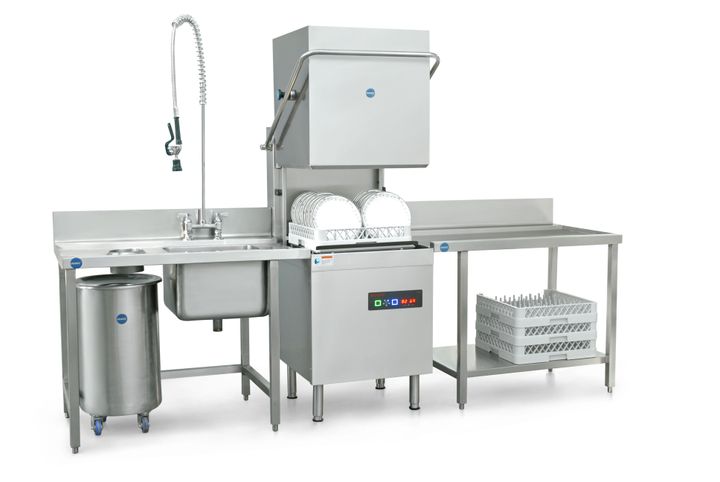
Industrial dish washers are specialized cleaning machines designed for large-scale food service environments such as hotels, restaurants, hospitals, and manufacturing canteens. Unlike domestic dishwashers, they handle high volumes of dishes, utensils, and cookware efficiently and hygienically. These machines are built for continuous operation, ensuring quick turnaround times, consistent sanitation, and reduced manual labor.
The concept of mechanical dishwashing dates back to the late 19th century, but it wasn’t until the mid-20th century that industrial versions became essential equipment in commercial kitchens. Today, with growing emphasis on hygiene, sustainability, and automation, industrial dish washers have become indispensable tools for modern food operations.
The Importance of Industrial Dish Washers
Industrial dish washers matter because they improve hygiene, save time, and ensure compliance with health regulations in large-scale operations. In environments where hundreds of meals are served daily, manual washing is inefficient and inconsistent.
These systems reduce:
-
Cross-contamination risks through high-temperature washing and sanitizing.
-
Water and energy consumption compared to manual methods when operated efficiently.
-
Labor intensity, allowing kitchen staff to focus on food preparation.
They are particularly important in:
-
Hospitals and healthcare facilities, where sterilization is critical.
-
Educational institutions and corporate canteens, where meal turnover is high.
-
Hospitality sectors, such as hotels and catering services, ensuring fast and hygienic service.
Industrial dish washers also align with sustainability initiatives by optimizing water cycles and integrating energy recovery systems. Modern models are designed to meet both performance and environmental efficiency standards.
Understanding How Industrial Dish Washers Work
An industrial dish washer operates on a mechanical cleaning cycle involving pre-wash, wash, rinse, and sanitizing stages. The process ensures complete removal of food residues and bacteria.
| Stage | Description | Temperature Range (°C) | Purpose |
|---|---|---|---|
| Pre-Wash | Dishes are sprayed with warm water to remove loose debris. | 40–50 | Loosens residue |
| Wash | Detergent and hot water are sprayed under high pressure. | 55–65 | Removes grease and dirt |
| Rinse | Fresh water and rinse aids are applied. | 70–80 | Eliminates detergent residue |
| Sanitization | Steam or high-temperature water ensures sterilization. | 80–90 | Kills bacteria and germs |
There are three main types of industrial dish washers:
-
Conveyor-type dish washers: Ideal for large operations with continuous loading and unloading.
-
Rack-type dish washers: Use racks to organize dishes and move them through cleaning stages.
-
Flight-type dish washers: Fully automated and suitable for institutions serving thousands of meals daily.
Automation in these machines allows precise control of temperature, detergent concentration, and water flow—ensuring consistent results with minimal human intervention.
Key Features and Technologies
Modern industrial dish washers integrate advanced features such as:
-
Heat recovery systems to reuse exhaust heat for water preheating.
-
Automatic detergent dosing to maintain proper chemical balance.
-
Water filtration systems that recycle rinse water efficiently.
-
Digital monitoring interfaces to track wash cycles and maintenance needs.
-
Noise and vibration reduction systems for quieter kitchen environments.
These technologies are driven by the demand for energy efficiency, reduced environmental footprint, and better hygiene compliance in food service operations.
Recent Developments and Trends
The industrial dish washing industry has seen several advancements in the past year.
-
Sustainability Focus (2024–2025): Manufacturers are emphasizing water-saving systems and eco-friendly detergents to reduce resource consumption by up to 30%.
-
Smart Kitchen Integration: Many modern dish washers now include IoT-enabled sensors for remote monitoring and predictive maintenance.
-
Automation Growth: Robotic loading and unloading mechanisms are becoming more common in large-scale facilities, especially in Europe and Asia.
-
Energy Efficiency Standards: In 2024, several regions, including the EU and North America, introduced stricter energy compliance norms for commercial appliances to lower carbon emissions.
-
Hygiene Certification: Following the post-pandemic focus on sanitation, certifications such as NSF/ANSI Standard 3 and DIN 10534 have gained increased attention in global markets.
Laws, Standards, and Regulations
Industrial dish washers are subject to a range of international and national regulations that govern hygiene, energy consumption, and environmental safety.
Key Standards Include:
-
NSF/ANSI Standard 3 (United States): Sets sanitation and performance requirements for commercial warewashing equipment.
-
EN 50593 (European Union): Specifies eco-design and energy efficiency criteria for commercial dish washers.
-
ISO 15883: Defines cleaning and disinfection standards for washer-disinfectors in medical and food industries.
-
FSSAI (India): Ensures compliance with hygiene and food safety requirements in commercial kitchens.
Governments also encourage the adoption of energy-labeled appliances to promote sustainability. For example, programs like the U.S. ENERGY STAR® and the EU’s EcoDesign Directive provide guidelines for energy-efficient industrial dish washers.
Compliance with these standards not only ensures safety and hygiene but also reduces operational risks during audits and inspections.
Helpful Tools and Resources
Professionals and kitchen managers can use various online tools and references to select, operate, and maintain industrial dish washers effectively.
Useful Resources Include:
-
NSF International Database: To verify certified dish washer models and their compliance details.
-
Energy Efficiency Calculators: Offered by energy agencies to estimate potential savings from upgrading to efficient systems.
-
Operational Checklists: Templates provided by hygiene authorities to ensure daily maintenance and sanitization.
-
Manufacturer Technical Portals: For accessing user manuals, troubleshooting guides, and performance logs.
-
Water Quality Monitoring Tools: Devices that track water hardness and temperature for optimal cleaning performance.
Such resources assist kitchen professionals in maintaining regulatory compliance while improving operational efficiency and hygiene standards.
Frequently Asked Questions
1. What distinguishes an industrial dish washer from a household model?
Industrial dish washers are designed for high-capacity cleaning, faster cycles, and continuous operation. They handle large volumes and meet higher hygiene standards, unlike domestic models made for small family use.
2. How much water does an industrial dish washer use per cycle?
Water usage depends on machine type and efficiency. Conveyor models may use 2–4 liters per rack, while advanced eco models reduce consumption to as low as 1.5 liters per rack.
3. How often should an industrial dish washer be cleaned or maintained?
Daily cleaning and weekly inspections are recommended. Regular descaling and filter checks help extend the machine’s life and maintain consistent washing quality.
4. What temperature is needed to sanitize dishes properly?
A final rinse temperature of at least 82°C (180°F) is typically required to ensure effective sanitization in commercial environments.
5. Are there eco-friendly industrial dish washers available?
Yes. Many modern systems feature energy recovery, water recycling, and low-detergent designs. These eco-friendly models align with international sustainability standards and help reduce environmental impact.
Conclusion
Industrial dish washers play a crucial role in maintaining hygiene, efficiency, and sustainability in large-scale food service operations. By automating the cleaning process and adhering to strict sanitation standards, these machines ensure consistent quality and operational reliability.
With technological innovations such as IoT integration, water recycling systems, and energy optimization, industrial dish washers are evolving rapidly to meet the modern kitchen’s demands. For organizations focused on hygiene excellence and environmental responsibility, understanding these systems is essential for long-term operational success.