Industrial Control Engineering Systems: A Complete Guide with Key Insights & Helpful Details
Industrial control engineering systems refer to the technologies, frameworks, and automated mechanisms used to monitor, regulate, and optimize industrial processes. These systems exist to ensure that complex operations run safely, efficiently, and consistently across manufacturing, energy, transportation, pharmaceuticals, and other technical environments.
They emerged from the need to reduce manual intervention, minimize errors, and support continuous, reliable production. Over time, these systems evolved to include advanced process control engineering, SCADA solutions, distributed control systems, and PLC-based automation.
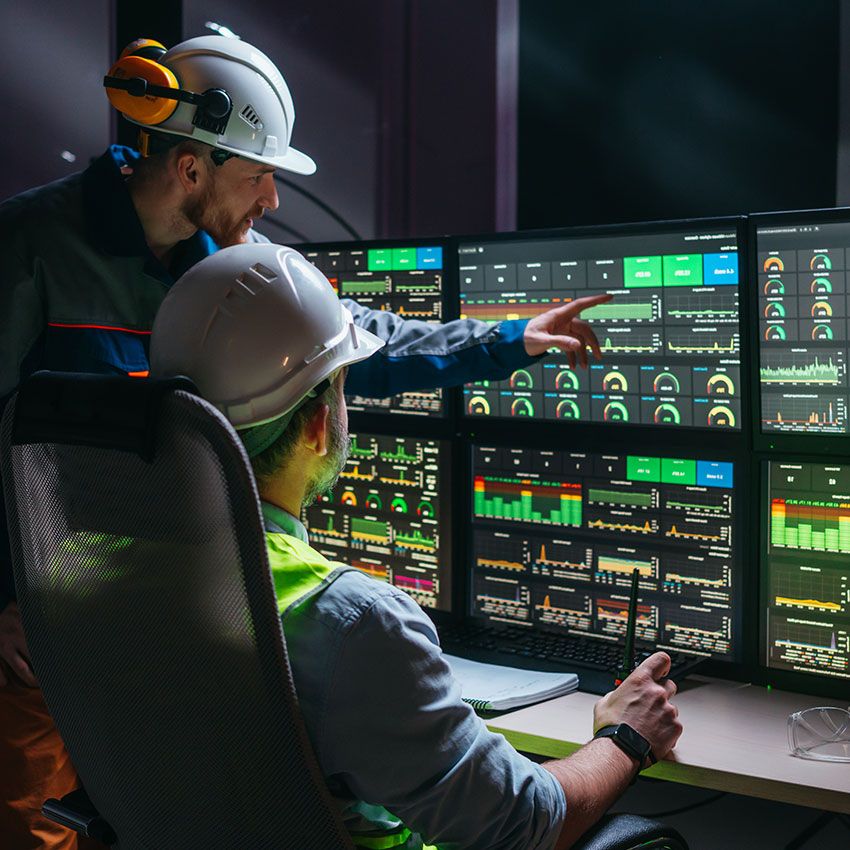
Industrial control engineering systems are built around real-time data measurement, automated decision frameworks, and intelligent control loops. Their goal is to maintain stability, enhance productivity, and enable accurate process monitoring. Today, industries rely on these systems to support digital transformation, industrial IoT integration, predictive maintenance analytics, and smart manufacturing practices.
Importance
Industrial control engineering systems matter because they shape how modern industries function. They influence product quality, workplace safety, resource efficiency, and environmental compliance. These systems affect manufacturers, engineers, plant operators, logistics teams, infrastructure managers, and consumers who depend on consistent, high-quality output.
Key problems they help solve include:
-
Maintaining stability in complex industrial operations
-
Reducing downtime through automated monitoring
-
Enhancing accuracy in processes such as dosing, temperature control, and pressure regulation
-
Supporting data-driven decisions using real-time insights
-
Enabling energy efficiency and sustainable process optimization
-
Improving workplace safety by reducing hazardous manual tasks
These systems also contribute to better compliance with safety and operational standards. With the rise of industrial IoT and cloud-based control platforms, organizations now have broader visibility into equipment conditions, system performance, and predictive indicators.
Recent Updates
Industrial control engineering systems continue evolving with digital, cyber-physical, and automation innovations. Several trends have emerged over the past year:
Expanded use of Industrial IoT integration
Connected sensors, wireless monitoring, and edge computing have increased adoption of remote process oversight and automated performance analysis.
Growth in AI-assisted automation
Machine learning-based predictive maintenance analytics became more common, helping industries identify faults earlier and extend equipment life cycles.
Investment in cybersecurity for control systems
Due to rising cyber threats, many updates focused on enhancing secure communication protocols, encryption methods, and identity-based access control. Discussions around stronger protection for operational technology networks gained traction.
Increased shift toward digital twins
Virtual modeling of industrial systems became prominent, enabling engineers to simulate process changes before applying them in real environments.
SCADA modernization
Supervisory control platforms replaced older legacy structures with cloud-enabled dashboards, improved visualization, and high-precision control logic.
Sustainable automation emphasis
Energy-efficient process control engineering gained attention as industries aimed for optimized resource usage and reduced environmental impact.
These updates reflect a broader move toward smarter, data-driven, and resilient industrial automation systems.
Laws or Policies
Industrial control engineering systems are influenced by general regulatory expectations in areas such as operational safety, data protection, environmental compliance, and infrastructure integrity. While specific country laws are not mentioned, common policy themes that impact these systems include:
-
Standards related to electrical safety, automated equipment reliability, and control circuit design
-
Guidelines for safe operation of machinery, pressure systems, and high-risk automated processes
-
Requirements for environmental performance monitoring and emission control
-
Expectations for cybersecurity protections in critical industrial sectors
-
Policies supporting digital transformation and secure industrial automation technologies
These frameworks encourage industries to adopt reliable control mechanisms, maintain accurate operational records, and integrate safety-compliant engineering practices.
Tools and Resources
A variety of tools support industrial control engineering systems, helping with design, monitoring, simulation, risk assessment, and analytics. Below is an overview of categories and examples presented in a simple reference table.
Common Tools Used in Industrial Control Engineering
| Category | Purpose | Examples |
|---|---|---|
| PLC Programming Tools | Configure logic controllers | Ladder logic editors, automation design software |
| SCADA Platforms | Real-time monitoring and visualization | Process dashboards, alarm management interfaces |
| Simulation Tools | Model industrial processes | Digital twin generators, process simulation software |
| Data Analytics Tools | Analyze system performance | Predictive maintenance analytics, industrial IoT dashboards |
| Control System Design Tools | Develop control loops | PID tuning tools, system modeling programs |
| Cybersecurity Assessment Tools | Strengthen system protection | Network vulnerability scanners, secure access managers |
These tools allow engineers and operators to track performance, test system behavior, analyze anomalies, and strengthen overall control infrastructure.
Additional Helpful Resources
-
Technical documentation libraries for PLC programming
-
Industrial automation standards and reference guides
-
Online learning modules for process control engineering
-
Data visualization platforms for SCADA-based insights
-
Frameworks for control system architecture planning
Each resource helps build stronger understanding, safer operations, and more efficient control strategies without promoting any specific provider.
FAQs
What is the main function of an industrial control engineering system?
Its main function is to monitor and regulate industrial processes automatically. It ensures consistent performance, safety, and efficiency by using sensors, controllers, and data-driven decision logic.
How does a PLC differ from a SCADA system?
A PLC (Programmable Logic Controller) handles direct control of machines and processes, while SCADA (Supervisory Control and Data Acquisition) collects data, provides visual monitoring, and oversees operations on a broader level.
What industries use industrial control engineering systems?
They are used across manufacturing, energy, transportation, material processing, chemical production, pharmaceuticals, water management, and other environments requiring automated oversight.
Why is cybersecurity important for industrial control systems?
Because these systems connect machines, sensors, and networks, any unauthorized access can disrupt operations. Cybersecurity measures help maintain safe and reliable functioning.
Are industrial control systems becoming more digital?
Yes. With trends like industrial IoT integration, cloud monitoring, and AI-driven analytics, digital transformation has become an important component of modern process control engineering.
Conclusion
Industrial control engineering systems play a critical role in shaping modern industrial operations. They help achieve consistent output, enhance safety, reduce process variability, and support data-centered improvements. As industries evolve, these systems continue adapting through advanced automation, intelligent analytics, secure communication frameworks, and sustainable engineering practices.
Understanding their purpose, recent developments, and available tools offers valuable insight into how today’s industrial environments operate with greater precision, reliability, and efficiency.