Induction Brazing Systems Insights: Avoid Critical Mistakes Before It’s Too Late
Induction brazing is a joining process that uses electromagnetic energy to heat metal parts and melt a separate filler material between them
Unlike traditional flame brazing, the heat is generated directly in the metal through an induction field, allowing the heating area to be controlled more closely. This approach is used in manufacturing environments where repeatable heating, defined joint locations, and production consistency are important.
An industrial induction brazing machine may be used for copper, aluminum, steel, carbide, and other compatible materials. Modern induction brazing systems can range from manually loaded equipment to an automated induction brazing system integrated with material handling, temperature monitoring, cooling, and inspection equipment.
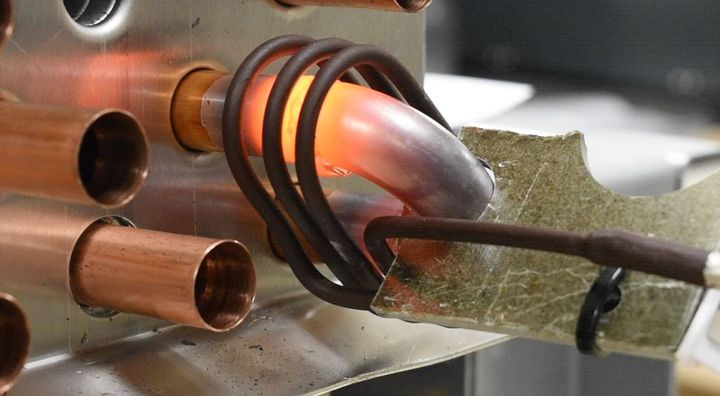
The basic process involves positioning the components, placing or feeding the brazing filler, applying electromagnetic energy, reaching the required joining temperature, and allowing the joint to solidify. The induction coil plays an important role because its shape, position, and distance from the workpiece influence how heat is distributed.
An induction brazing machine can therefore be designed around the geometry and material of a specific component. For example, an induction tube brazing machine may use a coil designed to surround a tube connection, while an induction carbide brazing machine may focus heating around a carbide-to-metal interface.
Why induction heating is used for brazing
Induction heating can provide localized heating rather than heating an entire component. This is useful when surrounding materials must remain below certain temperatures or when the joint needs controlled thermal exposure.
An induction brazing equipment manufacturer may configure systems around factors such as component size, material type, joint geometry, production rate, coil arrangement, power requirements, and temperature monitoring.
Common applications include:
- Copper tube joining
- HVAC component assembly
- Automotive component manufacturing
- Electrical connections
- Carbide tool production
- Aerospace component fabrication
- Heat exchanger assembly
- Metal-to-metal joining
- Tubular component production
Importance
Induction brazing matters because joining quality can influence the mechanical strength, electrical behavior, leak resistance, and durability of a finished component. A poorly controlled heating cycle can create incomplete filler flow, excessive oxidation, overheating, or inconsistent joints.
For general readers, one important point is that the equipment itself does not determine joint quality on its own. The component materials, joint design, filler material, heating profile, surface preparation, and cooling conditions all interact during brazing.
Critical mistakes to understand
Several problems can occur when an induction brazing system is selected or configured without considering the complete joining process.
Incorrect coil design can produce uneven heating. A coil that is too far from the joint may reduce heating efficiency, while unsuitable geometry can concentrate heat in the wrong location.
Insufficient surface preparation can prevent the filler from flowing correctly. Oil, dirt, oxides, and other contaminants can interfere with wetting and bonding.
Incorrect heating temperature can create two different problems. Too little heat may prevent proper filler flow, while excessive heat can damage components or change material properties.
Poor component positioning can create variation from one part to another. Automated induction brazing equipment normally requires consistent positioning so that the joint sits in the intended electromagnetic field.
Inadequate process monitoring can make it difficult to identify changes in heating behavior. Temperature sensors, power monitoring, timers, and inspection procedures can help establish process control.
Equipment choices and typical applications
Different systems are suited to different production requirements.
| Equipment type | Typical application | Main consideration |
|---|---|---|
| High frequency induction brazing machine | Small or localized joints | Heating frequency and coil geometry |
| Copper tube induction brazing machine | Tube and fitting joints | Joint positioning and filler flow |
| HVAC induction brazing machine | HVAC tubing and assemblies | Repeatable heating and leak integrity |
| Automotive induction brazing machine | Automotive components | Production consistency |
| Induction aluminum brazing machine | Aluminum assemblies | Temperature control and oxide management |
| Induction carbide brazing machine | Carbide-to-metal joints | Localized heat distribution |
| Robotic induction brazing system | Repetitive production | Motion accuracy and process synchronization |
| Controlled atmosphere brazing system | Oxidation-sensitive materials | Atmosphere control |
| Vacuum induction brazing system | Specialized high-purity joining | Vacuum conditions and thermal control |
A precision induction brazing system may combine induction heating with sensors, programmable controls, automatic loading, and inspection equipment. The appropriate configuration depends on the component and required production conditions rather than on the equipment category alone.
Recent Updates
From 2024 through 2026, the general direction of induction brazing technology has been toward greater process monitoring, automation, energy management, and integration with manufacturing systems. Equipment increasingly combines heating controls with sensors and programmable process parameters.
Greater process automation
An automatic induction brazing machine can coordinate heating cycles with loading, positioning, filler placement, cooling, and component movement. In larger facilities, an induction brazing production line may connect several operations into one controlled workflow.
Induction brazing automation systems are also being developed around repeatability. Instead of relying entirely on manual timing, automated controls can maintain predefined heating sequences and monitor selected process variables.
Robotics and digital monitoring
A robotic induction brazing system can move components or induction coils through programmed paths. This can be useful when joints have complex locations or when several brazing points must be processed in sequence.
Digital controls can also record parameters such as heating duration, power level, temperature readings, and cycle status. These records can support production analysis and help identify changes in a process.
More specialized heating systems
Industrial applications continue to use specialized configurations rather than relying on one universal machine. Examples include induction copper brazing equipment, induction aluminum brazing machine configurations, HVAC systems, and aerospace induction brazing equipment.
Controlled atmosphere brazing system designs are also relevant where oxidation must be reduced during heating. Vacuum induction brazing system configurations can be used for specialized applications requiring controlled environmental conditions.
Laws or Policies
Induction brazing equipment is generally affected by several categories of workplace, electrical, environmental, and product-related requirements. The exact rules depend on the country, industry, facility, and application.
Workplace safety
Industrial induction heating equipment can involve high electrical power, elevated temperatures, electromagnetic fields, hot components, moving machinery, and cooling systems. Facilities generally need appropriate machine guarding, electrical protection, emergency controls, ventilation where required, and operating procedures.
Workers may also need training related to hot surfaces, electrical hazards, personal protective equipment, and safe handling of brazed components.
Electrical and machinery requirements
An induction brazing heating system must be installed according to applicable electrical and machinery requirements. These can include rules concerning grounding, electrical isolation, control panels, protective devices, machine access, and electromagnetic compatibility.
For industrial installations, compliance documentation and equipment specifications should be reviewed according to the regulations applicable to the particular facility.
Environmental considerations
Brazing can involve fluxes, filler materials, fumes, and other process emissions depending on the materials and methods used. Workplace ventilation and environmental controls may therefore be relevant.
Where automated brazing equipment includes cooling systems, electrical equipment, or process fluids, facilities may also need procedures for handling and maintaining those systems according to applicable environmental and workplace requirements.
Tools and Resources
Several technical resources can help readers understand or evaluate induction brazing processes without requiring advanced engineering knowledge.
Process documentation
A basic brazing process sheet can record:
- Component material
- Joint dimensions
- Filler material
- Heating sequence
- Target temperature range
- Heating duration
- Cooling conditions
- Inspection criteria
- Equipment settings
Such documentation provides a consistent reference for production and quality checks.
Temperature measurement tools
Infrared sensors, pyrometers, thermocouples, and other temperature measurement devices can be used depending on the application. Temperature readings should be interpreted carefully because surface condition, emissivity, component geometry, and sensor positioning can affect measurements.
Induction coil assessment
Coil drawings and electromagnetic simulation tools can help assess how an induction field interacts with a component. For complicated assemblies, simulation can help identify areas where heating may be concentrated or insufficient.
Production monitoring platforms
Modern induction brazing systems may connect with programmable logic controllers, human-machine interfaces, data logging platforms, and manufacturing execution systems. These tools can help record process information and identify variation between production cycles.
Standards and technical references
Organizations responsible for workplace safety, electrical equipment, welding and brazing practices, and industrial machinery publish technical requirements and guidance. Manufacturers and facilities should identify the standards applicable to their materials, equipment configuration, and location.
FAQs
What is an induction brazing machine?
An induction brazing machine uses electromagnetic energy to heat metal components and melt a brazing filler at a joint. The process allows localized heating and can be configured for manual, semi-automatic, or automated production.
How does an automated induction brazing system work?
An automated induction brazing system coordinates component positioning and heating according to programmed process parameters. Depending on its configuration, it may also control filler placement, temperature monitoring, cooling, inspection, and material movement.
What is a copper tube induction brazing machine used for?
A copper tube induction brazing machine is designed for joining copper tubes and compatible fittings. It is commonly associated with tubing assemblies where localized and repeatable heating is required.
What is the difference between induction brazing and traditional flame brazing?
Induction brazing generates heat through electromagnetic induction, while flame brazing uses a direct flame. Induction can concentrate heating around a selected joint and can be integrated into automated production systems.
When is a controlled atmosphere brazing system useful?
A controlled atmosphere brazing system can be useful when reducing oxidation during heating is important. The required atmosphere depends on the materials, filler, joint design, and process conditions.
Conclusion
Induction brazing systems use electromagnetic heating to create localized and controlled heat for joining compatible materials with a brazing filler. Proper coil design, surface preparation, temperature control, component positioning, and process monitoring are important factors in achieving consistent results. Recent equipment trends include automation, robotics, digital monitoring, and integration with broader production systems. Applicable electrical, machinery, workplace safety, and environmental requirements should be considered according to the installation and location.