How Industrial Canning Machines Work: A Step-by-Step Guide
Industrial canning machines are designed to process large quantities of food and beverage products into sealed containers with consistent filling, closure, thermal processing, and inspection.
Industrial canning machines can operate as individual units or as part of an integrated production line, depending on the product, container type, production volume, and required processing conditions.
From preparing the product to creating a hermetically sealed container, each stage is carefully controlled. Understanding the complete canning process helps manufacturers select suitable equipment, improve production consistency, and maintain food safety.
Why Industrial Canning Machines Matter
Industrial canning systems allow manufacturers to process packaged products at high and consistent production rates. Automated equipment can coordinate filling, sealing, thermal processing, cooling, and inspection while reducing manual handling.
These systems are widely used for products such as:
- Canned vegetables and fruits
- Soups and sauces
- Meat and seafood
- Ready-to-eat meals
- Pet food
- Dairy-based products
- Processed beverages
The equipment configuration depends heavily on the product characteristics. Liquid foods require different filling technology from solid or particulate products, while low-acid foods generally require carefully validated thermal processing.
Step-by-Step Industrial Canning Process
1. Product Preparation
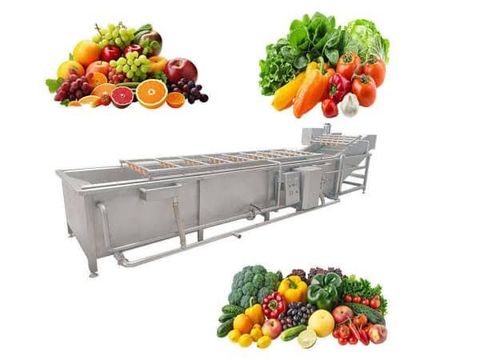
The process begins with preparing the food product according to its formulation. Depending on the application, preparation can include washing, cutting, cooking, blending, mixing, or preheating.
Product temperature, viscosity, particle size, and formulation can influence the selection of filling and processing equipment.
2. Can Feeding and Container Handling
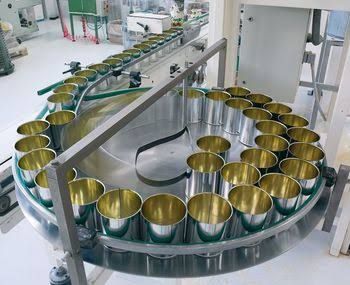
Empty cans are introduced into the production line through a can feeding or depalletizing system. Conveyors transport containers toward the filling station while maintaining controlled spacing.
Automated handling reduces container damage and helps maintain a continuous production flow.
3. Can Washing or Rinsing
Depending on the product and packaging requirements, empty containers may pass through washing or rinsing equipment before filling.
This stage helps remove particles or contaminants that could interfere with packaging quality.
4. Product Filling
The prepared product is accurately introduced into each can using an appropriate filling system. Common filling approaches include volumetric, gravimetric, piston, and product-specific filling technologies.
Filling accuracy is important because excessive or insufficient fill levels can affect product consistency, headspace, processing performance, and package appearance.
5. Headspace and Exhaust Control
After filling, the amount of space remaining between the product surface and the can end is controlled. Some products may also require exhausting or deaeration to manage trapped air.
Correct headspace can influence internal pressure, vacuum conditions, and the final package condition.
6. Can Seaming
The filled container moves to the seaming machine, where the can body and lid are mechanically joined.
Industrial canning machines commonly use double seaming technology. The can body flange and end curl are interlocked through controlled mechanical operations to create a hermetic closure.
Seam dimensions, compression, overlap, and overall integrity must be maintained within specified limits.
7. Thermal Processing
Sealed cans may undergo thermal processing according to the product formulation and validated process requirements. Retort systems are commonly used for shelf-stable foods requiring commercial sterility.
Processing conditions depend on factors such as:
- Product acidity
- Container size
- Product composition
- Initial product temperature
- Required process temperature
- Heating and cooling characteristics
Not every canned product requires the same thermal treatment. The process must be established for the specific product and container combination.
8. Cooling
After thermal processing, cans are cooled under controlled conditions. Cooling helps bring the product and container toward suitable handling temperatures while supporting package integrity.
Cooling conditions and water quality may be controlled according to the production process and applicable food-safety requirements.
9. Drying, Coding, and Labeling
Cans may pass through drying equipment before coding or labeling. Production information such as batch identification, date information, or traceability codes can be applied to the container.
Labeling systems may be integrated directly into the canning line or installed as separate downstream equipment.
10. Inspection and Quality Control
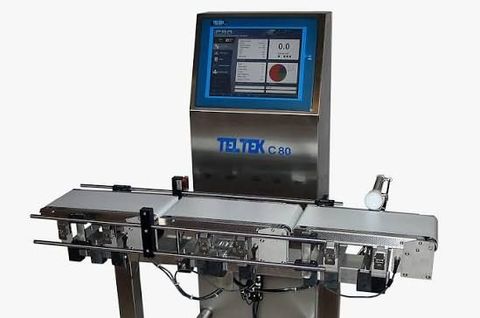
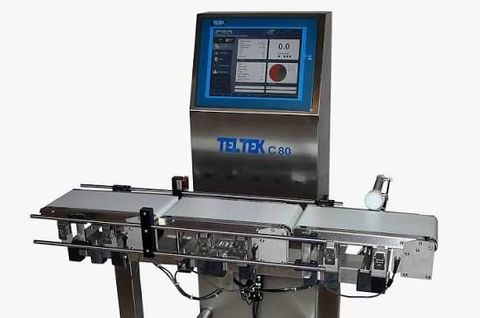
The final stage involves inspecting cans and verifying important production parameters. Automated inspection equipment can identify issues involving container appearance, fill level, closure condition, or other defined quality characteristics.
Typical checks include:
| Quality Parameter | Purpose |
|---|---|
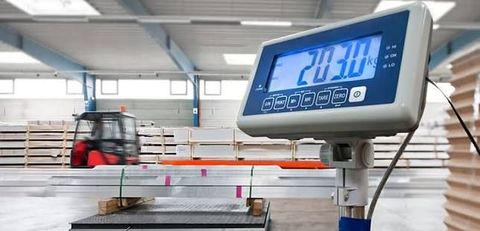
| Fill weight | Maintains product consistency |
| Headspace | Supports appropriate package conditions |
| Seam dimensions | Verifies closure integrity |
| Can appearance | Identifies visible defects |
| Thermal process data | Confirms validated processing conditions |
| Leak testing | Helps identify package integrity problems |
| Coding | Supports traceability |
Types of Industrial Canning Equipment
A complete canning line may contain several specialized machines rather than one universal machine.
Common equipment includes:
- Can depalletizers – Introduce empty cans into the production line.
- Can rinsers – Clean or rinse containers before filling.
- Can fillers – Accurately dispense liquid, solid, or particulate products.
- Can seamers – Create hermetic closures using controlled seaming operations.
- Retort systems – Provide controlled thermal processing for suitable products.
- Can coolers – Control product and container temperature after processing.
- Inspection systems – Check containers and production characteristics.
- Conveying systems – Move cans between processing stations.
Choosing the Right Canning System
Selecting industrial canning machines requires consideration of the entire production process rather than focusing on a single machine.
Important factors include:
- Product type and viscosity
- Solid particle size
- Can dimensions and material
- Required production capacity
- Filling accuracy
- Seaming requirements
- Thermal processing requirements
- Automation level
- Cleaning and sanitation requirements
- Available production space
- Integration with upstream and downstream equipment
A line designed for liquid beverages may differ significantly from equipment intended for soups, vegetables, meat, or particulate foods.
Best Practices for Industrial Canning
Reliable canning performance depends on consistent equipment operation and process control. Manufacturers should establish documented procedures for equipment inspection, cleaning, calibration, seam evaluation, thermal processing, and quality verification.
Regular monitoring can help identify changes before they affect large production batches. Particular attention should be given to filling accuracy, seam integrity, process records, and container handling.
Frequently Asked Questions
What are industrial canning machines used for?
Industrial canning machines are used to fill, seal, process, cool, and inspect packaged food and beverage products in cans at production scale.
How does a canning machine seal cans?
A can seamer mechanically interlocks the can body flange with the curled edge of the can end, typically creating a controlled double seam.
What products can be processed using industrial canning equipment?
Common applications include vegetables, fruits, soups, sauces, seafood, meat products, ready meals, pet food, and selected beverages.
Why is thermal processing used after can sealing?
Thermal processing can provide the validated heat treatment required for specific products, particularly shelf-stable foods. The required process depends on formulation, acidity, container dimensions, and other factors.
What factors determine industrial canning machine selection?
Product characteristics, can format, production capacity, filling method, closure requirements, thermal processing needs, automation level, sanitation requirements, and line integration all influence equipment selection.
Conclusion
Industrial canning machines combine multiple controlled operations to transform prepared products into sealed and processed containers. The overall system can include container handling, rinsing, filling, headspace control, seaming, thermal processing, cooling, coding, and inspection.
The most appropriate equipment configuration depends on the product, container, production requirements, and validated processing conditions. Understanding each stage of the canning process makes it easier to evaluate equipment configurations and develop a consistent industrial packaging workflow.