Home Workout Routines: Insights Into Simple Exercises for Daily Fitness
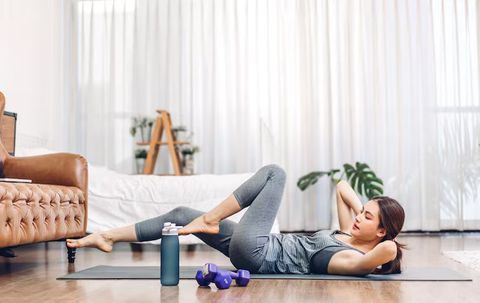
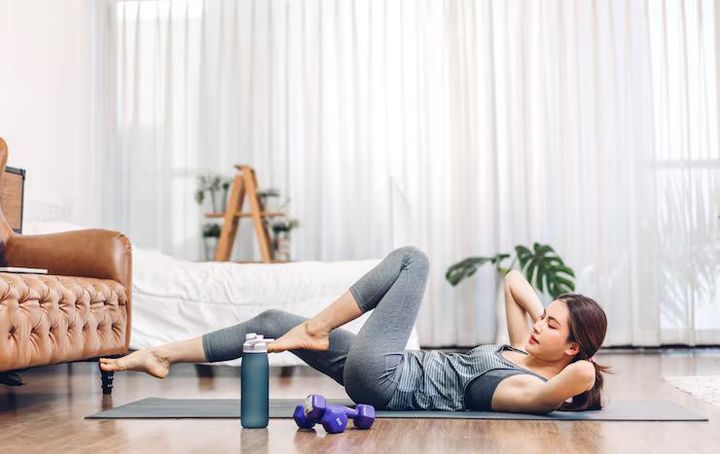
Home Workout Routines are structured or flexible exercise activities performed in a home environment rather than at a dedicated exercise facility.
They can include bodyweight movements, stretching, mobility exercises, resistance training, balance activities, and simple aerobic movements. The approach exists partly because physical activity can be incorporated into ordinary living spaces with limited equipment.
Home exercise has roots in traditional calisthenics, stretching practices, household physical activities, and instructional exercise programs. Over time, printed guides, television programs, videos, mobile applications, wearable devices, and online platforms have made exercise routines easier to organize around individual schedules.
A simple routine may involve movements such as squats, wall push-ups, lunges, glute bridges, planks, marching in place, and mobility exercises. The appropriate combination depends on a person's age, fitness level, abilities, available space, and health circumstances.
Importance
Why daily movement matters
Modern routines can involve long periods of sitting because of desk work, commuting, studying, entertainment, or screen use. Home exercise provides one way to introduce movement into the day without depending on a particular location.
Current physical activity guidance for adults generally includes both aerobic activity and muscle-strengthening activity. The CDC states that adults should aim for at least 150 minutes of moderate-intensity aerobic activity each week, along with muscle-strengthening activities on at least two days. Activity can also be divided into smaller periods throughout the week.
The issue is relevant at a population level as well. The World Health Organization reported that nearly one-third of adults worldwide were not meeting recommended physical activity levels based on available global data.
Common exercises for a home routine
A balanced routine can combine several movement categories:
- Lower-body exercises: Squats, supported lunges, step-ups, and glute bridges involve muscles around the legs and hips.
- Upper-body exercises: Wall push-ups, incline push-ups, and controlled arm movements can work the chest, shoulders, and arms.
- Core exercises: Planks, dead bugs, and bird-dog movements can train the abdominal and trunk muscles.
- Aerobic movements: Marching in place, brisk movement around the home, dancing, and stair climbing can raise breathing and heart rate.
- Mobility exercises: Gentle joint movements and stretching can be included before or after other activities.
- Balance exercises: Controlled single-leg standing or supported balance movements may be useful, particularly for older adults.
Exercise selection should match the person's abilities. A movement that feels moderate to one individual may feel vigorous to another, so intensity is not identical for everyone.
A simple weekly structure
A home routine does not need to use the same exercises every day. Alternating movement types can provide variety while allowing different muscle groups to recover.
| Activity | Example | General purpose |
|---|---|---|
| Aerobic movement | Marching or brisk walking | Raises breathing and heart rate |
| Lower-body strength | Squats or glute bridges | Works legs and hips |
| Upper-body strength | Wall push-ups | Works upper-body muscles |
| Core movement | Plank or bird-dog | Trains trunk control |
| Mobility | Gentle stretching | Supports comfortable movement |
| Balance | Supported single-leg stand | Practices balance control |
A session might begin with several minutes of gentle movement, followed by selected strength exercises and aerobic activity. The length and intensity can vary according to the person's circumstances.
Recent Updates
Current exercise trends
Recent developments have increased the role of digital tools in home exercise. Fitness applications, wearable technology, video instruction, and data tracking are increasingly used to structure and monitor physical activity. The American College of Sports Medicine's 2025 worldwide fitness trends report placed wearable technology first and mobile exercise applications second among its surveyed trends.
Another current trend is greater attention to adaptable physical activity. Guidance increasingly recognizes that people have different abilities and circumstances. Updated CDC information notes that adults with chronic health conditions or disabilities who are able should participate in physical activity according to their abilities, with professional guidance where appropriate.
There is also continued emphasis on reducing inactivity rather than viewing exercise only as a formal workout. Current public-health guidance notes that some physical activity is better than none and that activity can be distributed across the week.
Personal tracking and planning
Digital calendars, timers, activity diaries, wearable devices, and exercise applications can help people record sessions or observe patterns. These tools are not necessary for exercising at home, but they can make a routine easier to organize.
For people who prefer simple planning, a written weekly schedule can be enough. The main elements to record are the type of activity, approximate duration, intensity, and days used for muscle-strengthening work.
Tools and Resources
Several resources can support informed home exercise planning:
- CDC Physical Activity Guidelines: Provides general information about recommended aerobic and muscle-strengthening activity for adults.
- WHO Physical Activity Guidance: Explains activity recommendations for different age groups and emphasizes regular movement.
- Activity diaries: A notebook or digital document can record exercise type, duration, and frequency.
- Timers: A basic timer can help organize intervals, rest periods, or short movement breaks.
- Wearable devices: Smartwatches and activity trackers can record measures such as movement duration and heart rate, depending on the device.
- Exercise applications: Mobile platforms can provide structured routines, demonstrations, reminders, and activity records.
These resources should be treated as organizational and educational aids rather than substitutes for individualized medical guidance.
FAQs
What are Home Workout Routines?
Home Workout Routines are exercise plans or collections of movements performed at home. They can include strength, aerobic, mobility, flexibility, and balance activities using body weight or simple equipment.
Can Home Workout Routines support daily fitness?
Regular physical activity can contribute to overall physical health, and home exercise can be one way to include movement during the week. Adults are generally advised to combine aerobic activity with muscle-strengthening activity.
Which exercises are suitable for beginners at home?
Beginners often use controlled movements such as chair or bodyweight squats, wall push-ups, glute bridges, marching in place, and gentle mobility exercises. Exercise selection should reflect individual ability and comfort.
How often should Home Workout Routines include strength exercises?
Current adult physical activity guidance recommends muscle-strengthening activity on at least two days each week, involving the major muscle groups.
Do I need equipment for home exercise?
No. Many exercises use body weight as resistance. Items such as resistance bands, light weights, a stable chair, or a mat can expand exercise options, but they are not essential for every routine.
Conclusion
Home Workout Routines can include simple combinations of aerobic movement, strength exercises, mobility work, and balance activities. Current guidance emphasizes regular physical activity, with adults generally aiming for 150 minutes of moderate aerobic activity each week and muscle-strengthening activity on at least two days. Digital tools such as activity diaries, wearable devices, and exercise applications have also become more common in home-based fitness planning. Individual abilities and health circumstances remain important when selecting exercises and activity levels.