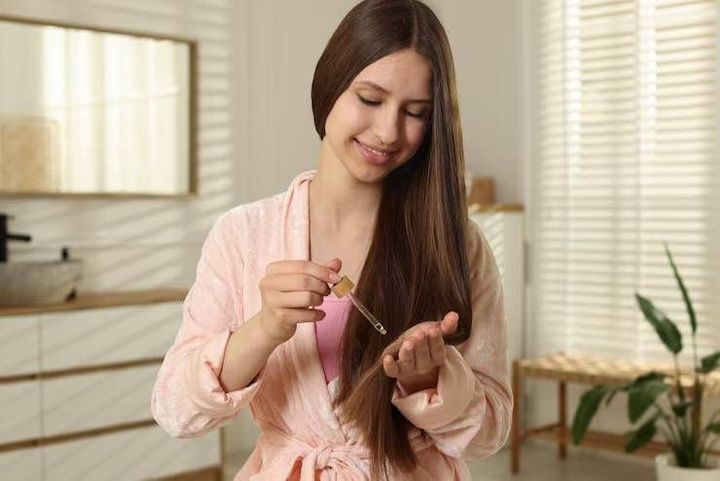
Natural Hair Growth Guide: Understanding Healthy Hair Growth Practices
Natural hair growth refers to the normal process through which hair develops from follicles in the skin.
Each strand passes through a repeating cycle of growth, transition, resting, and shedding. The length and appearance of hair can vary considerably between people because genetics, age, hormones, nutrition, health, and everyday hair practices all influence the hair cycle.
Understanding the Hair Growth Cycle
Hair follicles do not all produce hair at the same time. The growth phase, known as anagen, can continue for several years. It is followed by a short transition phase called catagen and then a resting phase known as telogen. A strand eventually sheds, allowing the follicle to begin another cycle.
Natural hair growth is therefore gradual rather than constant. Hair length depends partly on how long individual follicles remain in the growth phase and how much breakage occurs along the hair shaft.
Several factors can influence the appearance and condition of growing hair:
- Genetics can affect hair texture, density, and growth patterns.
- Age can influence the length and activity of the growth cycle.
- Hormonal changes can affect shedding and hair density.
- Nutrition provides materials needed for normal hair production.
- Hair care practices can influence breakage and scalp condition.
- Physical or emotional stress may temporarily affect shedding in some people.
Hair Growth and Hair Retention
Hair growth and hair retention are related but different concepts. A person may have normal follicle activity while experiencing frequent breakage, making the hair appear as though it is growing slowly. Gentle handling, suitable grooming practices, and protection from repeated physical damage can help preserve existing hair length.
Importance
Natural hair growth matters because changes in hair density, shedding, texture, and breakage are common concerns across different age groups. Understanding how hair normally behaves can make it easier to distinguish everyday shedding from changes that may require professional evaluation.
Everyday Factors That Affect Hair
Hair responds to both internal and external conditions. Regular exposure to heat, tight hairstyles, chemical processing, rough brushing, or repeated friction may contribute to hair damage and breakage. Keeping the scalp clean and avoiding unnecessary physical stress can support normal hair and scalp maintenance.
Nutrition also has a role. Hair follicles require adequate energy and nutrients for normal biological activity. A balanced eating pattern containing protein, fruits, vegetables, whole grains, and other nutrient-rich foods supports general health, which also contributes to normal hair production.
Common Hair Growth Challenges
People may notice increased shedding after periods of illness, major stress, substantial dietary changes, hormonal shifts, or other health changes. Temporary shedding can occur when a larger number of follicles enter the resting phase around the same period.
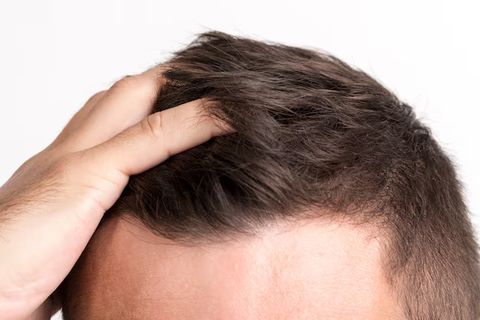
Other patterns can involve gradual thinning, changes around the hairline, or distinct areas of reduced density. The underlying causes can differ, so the appearance alone does not always explain why a change is occurring.
Practical Hair Care Considerations
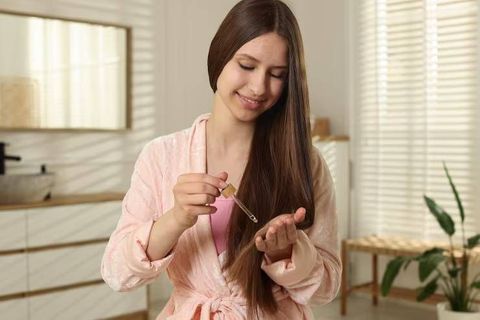
Healthy hair practices generally focus on reducing unnecessary damage rather than trying to force the follicles to grow faster. Helpful habits can include:
- Washing the scalp according to individual oil and activity levels.
- Using gentle handling when hair is wet.
- Limiting repeated exposure to very high heat.
- Avoiding hairstyles that create persistent pulling or tension.
- Keeping chemical treatments within reasonable intervals.
- Using suitable conditioning practices to reduce friction during grooming.
Recent Updates
From 2024 through 2026, discussion around natural hair growth has increasingly emphasized scalp health, individualized hair care, and evidence-based approaches rather than quick-fix routines. Online searches have also expanded around hair density, scalp care, breakage prevention, and the relationship between nutrition and hair condition.
Growing Interest in Scalp Health
Scalp care has become a more visible part of everyday hair routines. The focus is generally on maintaining a clean, comfortable scalp while recognizing that scalp concerns can have different causes. Excessive dryness, persistent irritation, scaling, or inflammation may require assessment rather than repeated changes to cosmetic routines.
Greater Attention to Hair Damage
Another continuing trend is greater awareness of the difference between hair growth and hair breakage. Heat styling, tight hairstyles, repeated coloring, and rough handling can affect the hair shaft even when the follicles continue their normal cycle.
This distinction has encouraged more discussion about protective grooming, gentle detangling, conditioning, and reducing repeated mechanical stress. These practices address hair preservation rather than changing the biological speed of follicle growth.
More Personalized Hair Care Discussions
Hair care information has also become more individualized. Instead of assuming that one routine works for everyone, current discussions commonly consider hair texture, scalp characteristics, lifestyle, grooming habits, age, and existing health factors.
Readers should also be cautious with claims that a particular routine can dramatically change hair growth. Hair biology is complex, and persistent or sudden changes in shedding or density may have causes that require professional assessment.
Tools and Resources
Several practical tools can help people understand and monitor their hair care habits without relying on appearance alone.
Hair Growth Tracking
A simple monthly hair journal can record changes in shedding, breakage, scalp comfort, hairstyle patterns, and hair length. Taking photographs under similar lighting and from similar angles can provide a more consistent way to observe gradual changes.
A basic tracking table can look like this:
| Area to Track | What to Record | Suggested Frequency |
|---|---|---|
| Hair length | Approximate length or measurement | Monthly |
| Shedding | Noticeable changes from normal | Weekly |
| Breakage | Short broken strands or split ends | Weekly |
| Scalp condition | Dryness, irritation, or scaling | Weekly |
| Hair routine | Washing, styling, heat, or chemical treatments | As used |
Educational Resources
Reputable dermatology organizations, medical libraries, university health pages, and public health websites can provide general information about hair structure, common causes of hair loss, scalp conditions, and hair care. These resources can help readers compare general information with their own observations.
Routine Planning Tools
A simple calendar or notes application can also be used to record washing days, styling practices, treatments, and noticeable changes. Tracking these factors can help identify patterns that may otherwise be difficult to remember over several months.
FAQs
What is natural hair growth?
Natural hair growth is the normal biological process in which hair follicles produce new hair. Growth occurs in cycles, and individual follicles can be at different stages at the same time.
How can healthy hair growth practices support hair condition?
Healthy hair growth practices focus on maintaining the scalp, reducing unnecessary breakage, handling hair gently, and supporting general nutritional health. They do not necessarily increase the biological growth rate of individual follicles.
Does trimming make hair grow faster?
Trimming does not change the rate at which hair grows from the follicle. It can remove damaged ends and may make the hair appear more even, while reducing the chance that splitting progresses farther along the shaft.
Why does hair sometimes seem to stop growing?
Hair may appear to stop growing when breakage occurs at a similar rate to new growth. Changes in the hair cycle, grooming practices, or other factors can also affect visible length and density.
When should changes in hair growth be evaluated?
Persistent, sudden, or pronounced changes in shedding or hair density can have many possible causes. A qualified healthcare professional or dermatologist can evaluate the pattern and determine whether further assessment is appropriate.
Conclusion
Natural hair growth is a gradual biological process influenced by genetics, age, hormones, nutrition, health, and hair care practices. Understanding the growth cycle helps explain why hair length, density, and shedding vary between individuals. Gentle grooming, scalp maintenance, balanced nutrition, and attention to breakage can support normal hair condition. Persistent or noticeable changes in hair density or shedding may have different underlying causes and can be discussed with a qualified professional.