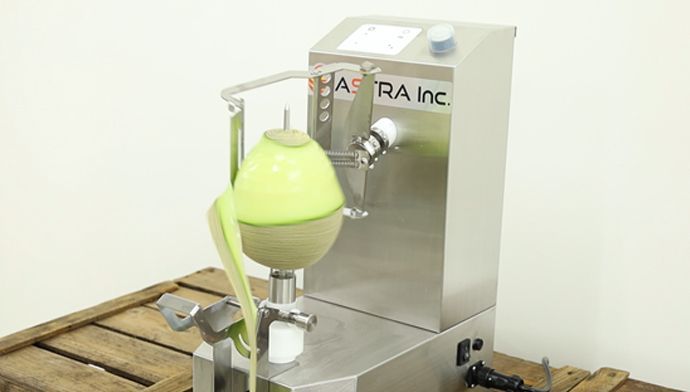
Fruit Peeling Machines Explained: Overview, Basics, Key Insights & Practical Knowledge
Fruit peeling machines are mechanical or automated devices designed to remove the outer skin of fruits in a controlled, consistent manner. These machines were developed to address the limitations of manual peeling, which can be slow, inconsistent, and labor-intensive. As food processing expanded over the decades, industries required systems that could handle large volumes of apples, oranges, mangoes, kiwis, pineapples, and other fruits with predictable results.
At their core, fruit peeling machines use physical, mechanical, or blade-based methods to separate the edible interior from the outer skin. Different technologies exist depending on the fruit type, firmness, and shape. For example, rotational peelers hold fruits in place while blades adjust to their contours, whereas abrasion peelers rely on friction to remove thin outer layers.
The evolution of these machines reflects broader trends in food preparation, such as automation, hygiene enhancement, and consistency in product appearance. Today, fruit peeling machines exist across small-scale processing units, large industrial plants, research facilities, and food preparation centers where precision, safety, and throughput are essential.
Why Fruit Peeling Machines Matter Today
Fruit peeling machines are important because they address multiple challenges in modern food processing workflows. They help increase efficiency, maintain cleanliness standards, and reduce manual handling of food. Several groups benefit from these machines, including food processors, agricultural packers, ready-to-eat product manufacturers, cold-storage operators, and institutions that handle bulk fruit preparation.
Key reasons these machines matter include:
-
Standardized peeling thickness for better texture control
-
Reduced waste through more precise peeling
-
Lower risk of contamination compared with manual handling
-
Time savings when processing large fruit volumes
-
Improved uniformity, which is essential for packaged or preserved fruit products
In regions where fruit is processed for juices, pulps, or dried products, the uniform peeling achieved by these machines supports consistent results. They also help address issues such as labor shortages, ergonomic strain from manual peeling, and quality variations caused by human error.
Sustainability considerations also contribute to their relevance. Efficient peeling reduces unusable waste, and advanced machines are designed to optimize fruit yield. Some models integrate sorting and trimming functions, allowing operators to handle mixed fruit sizes with fewer adjustments.
Recent Updates: Trends and Notable Developments (2024–2025)
Fruit peeling technology continues to evolve, and the past year has seen multiple advancements focused on precision, automation, and safety.
Automation and AI Integration (2024)
Manufacturers introduced systems with smart sensors that adapt blade pressure and rotation speed based on fruit texture. This shift began gaining attention in early 2024 as food processors sought more adaptive equipment.
Focus on Hygiene Enhancements (Mid-2024)
In 2024, updates in international food safety standards encouraged the development of machines with easy-to-clean surfaces, minimal internal crevices, and enhanced sanitation features. These design improvements support better compliance with global hygiene requirements.
Energy-Efficient Mechanisms (Late 2024)
To align with sustainability goals, several peeling systems introduced low-power motors and optimized mechanical controls. These machines gained interest in late 2024 due to rising discussions on resource-efficient food processing.
Flexible Multi-Fruit Designs (2025)
Early 2025 has shown a trend toward machines that can handle a wider variety of fruits without major reconfiguration. Adjustable brackets, interchangeable blade kits, and automated size detection features allow smoother transitions between different fruit types.
These updates reflect a growing emphasis on accuracy, ease of operation, sanitation, and optimized fruit handling.
Laws or Policies: How Regulations Influence Fruit Peeling Machines
Fruit peeling machines operate within a regulatory environment shaped by food safety standards, equipment safety guidelines, and environmental expectations. Although regulations vary by country, the following categories widely influence how these machines are designed and used.
Food Safety Standards
Most regions follow rules aligned with HACCP, ISO 22000, or national food hygiene guidelines. Machines must be constructed using safe materials, typically stainless steel, that do not contaminate food. Surfaces must be smooth, non-absorbent, and easy to sanitize.
Equipment Safety Guidelines
Devices with rotating parts, blades, or abrasives must follow mechanical safety regulations that reduce risks to operators. Guards, emergency stops, and protective systems are common requirements in many countries.
Energy and Environmental Policies
In recent years, several regions introduced programs encouraging low-energy equipment across food processing sectors. While policies differ, many emphasize reducing power consumption, lowering emissions from manufacturing processes, and supporting recyclable or long-life materials.
Waste Management Regulations
Peels are organic waste, so rules regarding food waste handling influence how facilities manage the by-products. Some countries encourage composting or bio-processing, prompting users to choose systems that collect peels efficiently.
These regulatory influences shape machine design, materials, maintenance expectations, and sanitation protocols.
Tools and Resources: Helpful References for Understanding Fruit Peeling Machines
Below is a useful set of tools, platforms, and resources that relate to the operation, evaluation, or understanding of fruit peeling machines.
Technical Standards and Reference Sites
-
Food safety documentation libraries
-
Material selection guidelines for food-grade metals
-
Mechanical design reference databases
Engineering Tools
-
Blade angle calculators
-
Rotational speed estimation tools
-
Food surface firmness measurement references
Operational Resources
-
Hygiene checklist templates
-
Maintenance interval planners
-
Lubrication charts for food-safe mechanical parts
Educational Platforms
-
Online engineering principle libraries
-
Tutorials on food processing automation
-
Guides on optimizing yield in fruit processing workflows
These resources support accurate handling, better system understanding, and improved equipment performance.
Common Fruit Peeling Methods and Their Characteristics
| Peeling Method | How It Works | Typical Uses | Key Advantage |
|---|---|---|---|
| Blade Peeling | Sharp blades follow fruit contours | Apples, pears | Very precise removal |
| Abrasion Peeling | Rough surfaces remove skin via friction | Root crops, firm fruits | Uniform outer removal |
| Thermal Peeling | Steam or heat loosens the peel | Tomatoes, peaches | Minimal mechanical force |
| Chemical Peeling | Solutions soften the skin | Citrus segments | Smooth, clean separation |
| Rotational Peeling | Fruit rotates while cutters adjust | Round fruits | Consistent thickness |
FAQs
1. What types of fruits can be handled by peeling machines?
Most machines can handle round or moderately irregular fruits such as apples, pears, oranges, lemons, kiwi, mangoes, and pineapples. Some systems use adjustable supports to accommodate different shapes.
2. Do all machines use blades for peeling?
No. While blade-based systems are common, other mechanisms such as abrasion, thermal loosening, and controlled mechanical pressure are also widely used depending on fruit type and processing goals.
3. How does peel thickness affect fruit processing output?
Thicker peel removal may lead to reduced fruit yield. Precision systems aim to remove only the skin while preserving the edible portion, which supports better texture and higher usable volume.
4. Why is sanitation important for peeling machines?
Sanitation prevents contamination and supports compliance with food hygiene guidelines. Machines with smooth surfaces, minimal joints, and easy-to-clean components help ensure consistent cleanliness.
5. Are peeling machines influenced by energy efficiency expectations?
Yes. Many regions encourage energy-conscious operations, motivating the development of systems that use optimized motors and efficient mechanical setups to reduce overall power consumption.
Conclusion
Fruit peeling machines play a significant role in modern food processing, offering uniform results, improved hygiene, and greater efficiency. Their evolution reflects advancements in engineering, automation, environmental awareness, and regulatory expectations. As technology continues to shift toward precision and adaptability, these machines are becoming more capable of handling varied fruit types with consistent results. With growing emphasis on food quality, waste reduction, and operational safety, fruit peeling machines contribute meaningfully to streamlined and sustainable preparation workflows across the food sector.