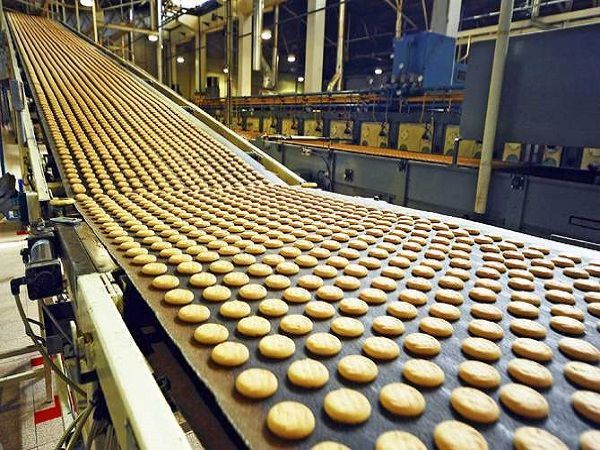
Food Processing Lines Explained: An Overview, Basics, and Key Facts to Learn
Food processing lines are organized sequences of machines, systems, and workflows used to transform raw agricultural ingredients into safe, standardized, and consumable food products. These lines exist to manage large-scale food preparation in a controlled, repeatable, and hygienic manner.
From washing and sorting to cooking, packaging, and labeling, each stage is designed to handle specific tasks with consistency.
Historically, food preparation relied heavily on manual labor, which limited scale and consistency. As populations grew and urbanization increased, the need for structured production systems became clear. Food processing lines emerged to ensure that food could be produced in larger quantities while maintaining quality, safety, and nutritional stability.
Today, food processing lines are found across many categories, including dairy, bakery, beverages, frozen foods, ready-to-eat meals, grains, and packaged snacks. While the design may vary, the underlying principle remains the same: moving food through a series of controlled steps with minimal disruption and maximum efficiency.
Why Food Processing Lines Matter Today
Food processing lines play a central role in modern food systems. They affect producers, distributors, regulators, and consumers alike. Without these lines, supplying consistent food to urban populations would be extremely challenging.
Key reasons this topic matters include:
-
Food safety assurance through controlled handling and monitoring
-
Reduction of food waste by standardizing processes
-
Consistency in taste, texture, and appearance across batches
-
Scalability for meeting growing population demands
-
Traceability for quality control and regulatory compliance
These systems also help address challenges such as seasonal variability, labor shortages, and the need for longer shelf life. Automated and semi-automated lines reduce human contact with food, lowering contamination risks while improving operational reliability.
Food processing lines influence everyday life even when unnoticed. Packaged staples, beverages, frozen vegetables, and ready-to-cook products are all outcomes of these structured production environments.
Recent Developments and Industry Trends
Over the past year, food processing lines have seen notable technological and operational shifts. In 2024 and early 2025, several trends gained attention across global food manufacturing discussions.
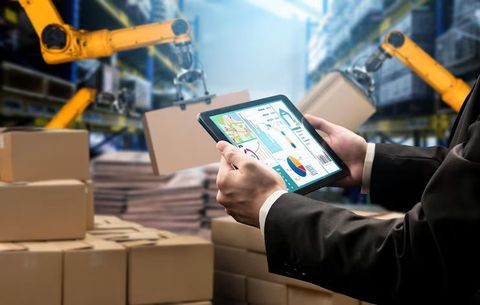
One major update is the increased integration of digital monitoring and data analytics. Sensors and connected systems are now more commonly embedded in processing equipment, allowing operators to track temperature, moisture, flow rates, and hygiene indicators in real time.
Another visible trend is the growing use of modular processing line designs. These allow manufacturers to adjust production capacity or product type without redesigning the entire line. This flexibility became especially relevant during 2024 as demand patterns continued to fluctuate across regions.
Sustainability-focused improvements also expanded. Processing lines increasingly incorporate:
-
Energy-efficient motors and drives
-
Water reuse and filtration systems
-
Reduced packaging material handling
-
Waste heat recovery units
In late 2024, discussions around artificial intelligence-assisted inspection systems increased, particularly for visual quality checks such as color, shape, and surface defects. These systems support faster decision-making while maintaining uniform standards.
Regulatory Environment and Policy Influence
Food processing lines operate within a structured regulatory framework. Regulations aim to protect public health, ensure transparency, and maintain food integrity across the supply chain.
In India, food processing activities are governed by the Food Safety and Standards Authority of India (FSSAI). Guidelines focus on hygiene, equipment design, sanitation procedures, and hazard control practices. Processing lines must be designed to allow easy cleaning, prevent cross-contamination, and support proper waste handling.
Globally, similar frameworks exist, such as:
-
Hazard Analysis and Critical Control Points (HACCP) principles
-
Codex Alimentarius standards
-
National food safety acts and inspection protocols
Government programs also support modernization of food infrastructure by encouraging technology adoption, training, and compliance awareness. These policies indirectly shape how processing lines are planned, upgraded, and monitored.
Compliance influences layout decisions, material selection, airflow management, and documentation practices within food processing environments.
Tools, Platforms, and Learning Resources
A wide range of tools and resources support understanding and optimization of food processing lines. These resources are used for education, planning, monitoring, and continuous improvement.
Commonly referenced tools include:
-
Process flow diagram software for visualizing production stages
-
Production efficiency calculators for throughput analysis
-
Quality monitoring dashboards using industrial data platforms
-
Maintenance scheduling templates for equipment reliability
-
Food safety documentation systems for audit readiness
Educational resources such as industry handbooks, academic publications, and government portals provide structured explanations of processing principles. Many organizations also rely on simulation tools to model line performance before physical implementation.
Typical Stages in a Food Processing Line
| Stage | Purpose | Common Activities |
|---|---|---|
| Raw Material Handling | Initial preparation | Cleaning, grading, sorting |
| Processing | Transformation | Cutting, mixing, heating |
| Preservation | Shelf-life control | Cooling, freezing, drying |
| Packaging | Protection and labeling | Sealing, coding, inspection |
| Storage and Dispatch | Distribution readiness | Palletizing, warehousing |
This simplified overview highlights how each stage contributes to the final product while maintaining quality and safety.
Frequently Asked Questions
What is the main function of a food processing line?
The main function is to convert raw food materials into consumable products through a controlled sequence of steps that ensure safety, consistency, and efficiency.
Are food processing lines fully automated?
Not always. Some lines are fully automated, while others combine automated equipment with manual oversight depending on product type and production scale.
How do processing lines help with food safety?
They reduce direct handling, maintain controlled environments, and support monitoring of critical parameters such as temperature and hygiene.
Do all food products require the same type of processing line?
No. Each product category has unique requirements, so processing lines are designed specifically for the characteristics of the food being handled.
How often are food processing lines updated or modified?
Updates depend on regulatory changes, technology advancements, and shifts in consumer demand. Many facilities review line performance annually.
Key Data Points in Food Processing Line Design
| Factor | Why It Matters |
|---|---|
| Throughput capacity | Determines production volume |
| Hygiene design | Reduces contamination risk |
| Energy efficiency | Supports sustainable operations |
| Flexibility | Adapts to product variation |
| Monitoring capability | Enables quality control |
These factors guide decisions during planning and evaluation phases.
Conclusion
Food processing lines form the backbone of modern food production systems. They exist to ensure that food can be produced safely, consistently, and at scale while meeting regulatory and quality expectations. Over time, these lines have evolved from basic mechanical setups into sophisticated, data-driven environments.
Recent advancements in digital monitoring, modular design, and sustainability practices highlight how food processing lines continue to adapt to changing needs. Regulations and policies play a critical role in shaping their structure, ensuring public health remains a priority.