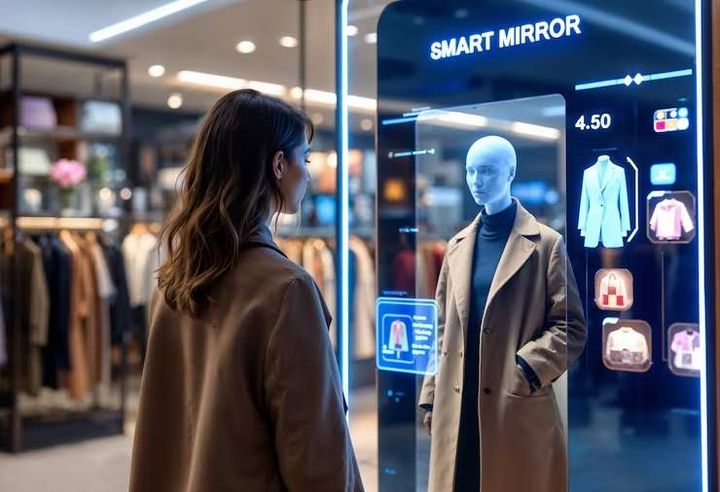
Fashion NFTs and Digital Clothing: Guide to Virtual Fashion and Digital Insights
Fashion NFTs and Digital Clothing combine fashion design with technologies such as blockchain, 3D graphics, virtual worlds, gaming platforms, and digital identity systems. Instead of existing only as physical garments, digital fashion items can appear as avatar clothing, virtual accessories, collectible digital designs, or blockchain-linked assets.
An NFT, or non-fungible token, is a unique digital record stored on a blockchain or another digital ledger. It can be connected to an image, animation, 3D garment, accessory, or other digital file. The European Commission describes NFTs as unique digital assets that can be associated with reproducible digital files and can provide evidence of authenticity or ownership.
Digital clothing is slightly different from an NFT. A virtual jacket, dress, shoe, or accessory can exist as a digital file without being represented by an NFT. An NFT may instead provide a blockchain-based record connected with a particular digital fashion item.
How Digital Clothing Works
A digital fashion project generally involves several layers of technology.
3D design: Designers create garments using specialized digital modeling software.
Digital materials: Fabric textures, colors, patterns, stitching, and surface details are represented digitally.
Avatar integration: Clothing can be adapted to an avatar or virtual character.
Platform compatibility: The digital item may be designed for a particular game, virtual environment, social platform, or application.
Blockchain records: An NFT can record information about a particular digital asset.
Digital wallet: Where blockchain ownership is involved, a compatible wallet can hold the NFT.
Marketplace infrastructure: Digital fashion assets can be displayed, transferred, or exchanged through compatible platforms.
These layers do not always appear together. A virtual garment can exist entirely within a closed platform without blockchain technology.
Types of Digital Fashion
Avatar clothing consists of garments designed for virtual characters. These can include shirts, dresses, jackets, trousers, shoes, bags, and accessories.
Virtual-only fashion is designed exclusively for digital environments and does not necessarily correspond to a physical garment.
NFT fashion collectibles use blockchain-based tokens to represent individual digital fashion assets or editions.
Digital twins are digital representations connected with physical fashion items or products.
Gaming wearables are fashion items designed for use by characters within compatible games or interactive environments.
Augmented-reality clothing can appear over a person's physical image through a camera or AR application.
Importance
New Forms of Digital Expression
Fashion has traditionally been connected with physical appearance, cultural identity, artistic expression, and social communication. Digital fashion extends these concepts into virtual environments.
People can use avatars and virtual clothing to create appearances that may not be practical, physically possible, or affordable to produce as conventional garments. Digital environments can also allow animated textures, unusual shapes, changing colors, and other visual effects.
The World Economic Forum has described digital fashion as an emerging intersection of technology, culture, creativity, identity, and virtual environments.
New Opportunities for Designers
Digital fashion allows designers to create garments without using physical fabric, sewing equipment, or physical inventory during the design stage.
A designer can create a three-dimensional garment, test different colors and patterns, and modify the design digitally. This can support experimentation before a physical production decision is made.
Digital Identity
Virtual clothing can become part of a person's digital identity. Different platforms may allow users to customize avatars according to personal preferences, cultural influences, communities, or creative interests.
The importance of this area depends heavily on interoperability. A digital garment that works on one platform may not automatically function on another.
New Ownership Models
NFTs introduce a blockchain-based method for associating a unique token with a digital asset. However, owning an NFT does not automatically mean owning copyright, trademark rights, or every commercial right connected with the underlying fashion design.
The actual rights depend on the relevant license, contract, platform rules, and applicable law.
Sustainability Considerations
Digital clothing can reduce the need for physical materials when the garment exists entirely in a virtual environment. It can also support digital sampling, visualization, and virtual presentation.
However, digital fashion still requires computing infrastructure, software, data storage, networks, and electronic devices. Therefore, its environmental impact depends on the technology and workflow involved rather than being automatically negligible.
Digital Fashion Categories
| Category | Main Format | Typical Environment |
|---|---|---|
| Virtual garment | 3D digital file | Virtual worlds |
| NFT fashion | Blockchain-linked token | Digital marketplaces |
| Avatar clothing | Wearable asset | Games and social platforms |
| AR clothing | Digital overlay | Mobile or AR applications |
| Digital twin | Digital representation | Physical-digital ecosystem |
| Virtual accessory | 3D asset | Avatars and virtual spaces |
Recent Updates
Greater Attention to Interoperability
One of the major challenges in digital fashion is making virtual garments usable across different platforms.
The Metaverse Standards Forum has explored digital fashion wearables, including clothing, shoes, hats, accessories, layering systems, avatar customization, and interoperability. Its working group focuses on reducing fragmentation and examining how wearable systems can work across multiple platforms.
Interoperability could allow digital fashion items to move more easily between compatible environments, although technical and commercial limitations remain.
Digital Fashion Beyond NFTs
Digital fashion is increasingly broader than the NFT concept. Virtual clothing can be created for games, social platforms, augmented reality, virtual events, digital advertising, and 3D design workflows without requiring blockchain tokens.
This distinction is important because digital fashion and NFT fashion are related but not identical categories.
Fashion and Intellectual Property
Intellectual property has become an important issue as fashion moves into digital environments. WIPO identifies copyright, trademarks, industrial designs, and patents as relevant forms of intellectual property within fashion. These rights can apply to different aspects of garments, branding, visual designs, technology, and digital content depending on national law.
WIPO also highlights digital fashion as part of the changing fashion ecosystem and has developed resources focused on intellectual-property management within the fashion industry.
New Intellectual-Property Resources
In 2026, WIPO launched an IP Diagnostics tool specifically adapted for the fashion industry. The tool is designed to help creators and other fashion stakeholders identify intellectual-property assets and consider related risks and opportunities.
For digital fashion creators, this type of resource can be useful because a single project may involve several different assets, including artwork, software, logos, garment designs, 3D models, photographs, and written licenses.
Virtual Fashion and Global Culture
Digital clothing can allow designers from different regions to reach audiences without requiring physical distribution. Cultural patterns, traditional design influences, contemporary fashion concepts, and experimental digital styles can all appear in virtual environments.
At the same time, designers need to consider cultural ownership, copyright, trademarks, traditional cultural expressions, and platform rules when creating or distributing digital fashion.
Laws or Policies
Intellectual Property Rights
There is no single worldwide law governing digital fashion. Intellectual-property protection generally depends on the country or region involved.
Copyright may protect original artwork, photographs, graphics, animations, software elements, and other qualifying creative works. Industrial design protection may apply to the visual appearance of qualifying designs in jurisdictions where the relevant requirements are met.
Trademarks can protect names, logos, and other distinctive identifiers when they meet the applicable legal requirements.
WIPO explains that fashion designs can involve several different forms of intellectual-property protection, including industrial designs, trademarks, patents, and copyright.
NFT Regulation
NFT regulation differs across jurisdictions. Not every NFT is regulated in the same way, and legal treatment can depend on its characteristics and use.
In the European Union, the Markets in Crypto-assets Regulation generally excludes crypto-assets that are unique and non-fungible from its main scope. However, an NFT that qualifies as a financial instrument or falls under another regulatory framework can still be subject to relevant rules.
This means creators and platforms should not assume that every NFT follows identical legal treatment.
Consumer and Platform Rules
Digital fashion platforms can have their own terms concerning ownership, licensing, transfers, account access, intellectual property, refunds, content moderation, and digital assets.
A blockchain record does not necessarily override the contractual rules of the platform where an item is displayed or used.
Data and Privacy
Virtual fashion platforms can involve user accounts, avatars, payment information, wallet addresses, usage records, and other digital information.
Privacy requirements differ around the world. Organizations operating internationally may need to consider the data-protection rules applicable to their users and locations.
Cross-Border Considerations
Digital fashion can reach users across multiple countries immediately through online platforms. This creates additional legal questions concerning intellectual property, taxation, consumer protection, digital assets, advertising, and contractual rights.
Creators and organizations working internationally may therefore need to evaluate the laws of the jurisdictions in which their digital assets are created, distributed, displayed, or used.
Tools and Resources
3D Fashion Design Software
3D fashion-design software allows designers to construct garments digitally, experiment with patterns, simulate fabrics, and create virtual presentations.
These tools can be useful for both physical-fashion development and virtual-only clothing.
Digital Sculpting and Modeling Tools
General 3D modeling applications can create accessories, shoes, bags, jewelry, and other digital fashion objects.
Designers can create detailed meshes, textures, materials, and animations that can later be adapted for compatible platforms.
Blockchain Explorers
Blockchain explorers allow users to inspect publicly available transaction information associated with blockchain assets.
For NFT projects, these tools can help users examine token records, wallet activity, transaction history, and blockchain metadata where the information is publicly accessible.
Digital Wallets
A compatible digital wallet can store blockchain-based assets. Wallet selection depends on the blockchain network, security requirements, supported applications, and the user's technical knowledge.
Wallet security is particularly important because blockchain transactions can be difficult or impossible to reverse.
Intellectual-Property Resources
WIPO provides educational material covering intellectual property in fashion, including industrial designs, trademarks, patents, copyright, and international protection systems.
The WIPO fashion resources can help creators understand that a digital garment may contain multiple intellectual-property elements rather than representing a single legal asset.
Interoperability Resources
The Metaverse Standards Forum provides material concerning digital fashion wearables, avatar systems, digital assets, and interoperability research.
These resources can help developers and designers understand why file formats, avatar systems, layering, and platform compatibility matter for virtual clothing.
FAQs
What are Fashion NFTs and Digital Clothing?
Fashion NFTs and Digital Clothing are digital fashion assets that can include virtual garments, avatar wearables, accessories, 3D designs, and blockchain-linked collectibles. Digital clothing does not necessarily require an NFT.
How do Fashion NFTs work?
Fashion NFTs use blockchain-based tokens to represent unique digital assets or records associated with them. The token may connect to a digital garment, artwork, collectible, or virtual wearable depending on the project.
Can digital clothing be used across different platforms?
Not always. Platform compatibility, file formats, avatar systems, licensing conditions, and technical standards can determine whether a virtual garment works in another environment. Interoperability is an active area of development.
Does owning a fashion NFT mean owning the copyright?
Not automatically. Ownership of an NFT and ownership of copyright are separate concepts. The rights granted to the token holder depend on the applicable license, agreement, platform rules, and national intellectual-property law.
Are Fashion NFTs regulated worldwide?
There is no single global NFT framework. Rules differ between jurisdictions and can depend on the characteristics of the particular digital asset. In the European Union, unique and non-fungible crypto-assets are generally outside the main scope of MiCA, although other legal frameworks can still apply in particular circumstances.
Conclusion
Fashion NFTs and Digital Clothing connect fashion design with 3D modeling, virtual environments, blockchain technology, gaming, augmented reality, and digital identity. The field is expanding beyond NFTs toward broader virtual wardrobes, avatar wearables, digital twins, and interoperable fashion systems. Intellectual property, platform compatibility, privacy, and regional digital-asset rules remain important considerations for creators and users. As digital fashion develops worldwide, technical standards and legal frameworks will continue to shape how virtual garments are created, represented, and used.