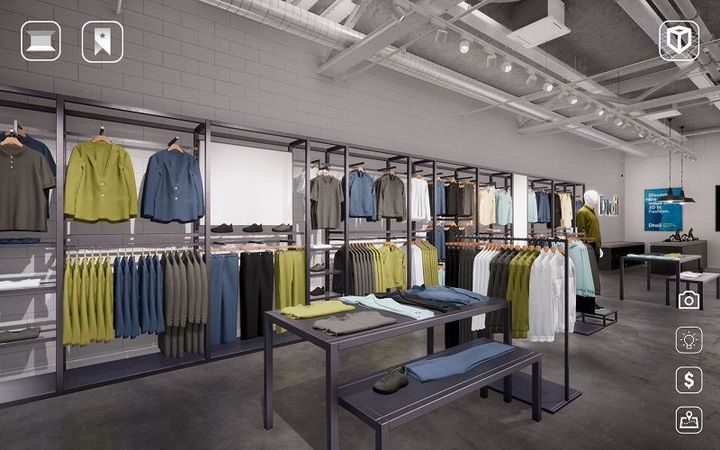
Explore Virtual Product Showrooms: Overview, Basics, and Key Information
Virtual product showrooms are digital environments designed to display products in an interactive and immersive format. Instead of relying on physical locations, printed catalogs, or static images, these showrooms use technologies such as 3D visualization, augmented reality, and web-based interactive platforms to present product details clearly and consistently.
The concept exists to address limitations of traditional product presentation. Physical displays require space, logistics, and repeated setup, while digital images often fail to explain scale, features, or usage context. Virtual product showrooms were developed to bridge this gap by combining accessibility with detailed visualization, allowing users to explore products remotely while maintaining informational depth and clarity.

These environments are commonly accessed through web browsers, specialized applications, or immersive devices. Their primary purpose is educational and demonstrative, helping users understand specifications, design elements, and functional details without relying on physical proximity.
Importance
Virtual product showrooms matter today because information access has become increasingly digital-first. Many industries require accurate product understanding across geographically distributed audiences, and virtual environments help standardize how information is shared.
This topic affects a wide range of users, including manufacturers, educators, designers, and decision-makers who rely on precise product data. For audiences, virtual showrooms reduce confusion by presenting consistent visuals, measurements, and explanations.
Key problems this approach helps address include:
-
Limited physical access to product displays
-
Inconsistent information across brochures and websites
-
Difficulty understanding complex or large-scale products
-
Time constraints associated with in-person demonstrations
From a broader perspective, virtual product showrooms support transparency and clarity. They allow users to review product information at their own pace, revisit specific features, and compare variations without pressure or time limits. This makes them particularly valuable for research-driven decision processes.
Recent Updates
In the recent period, virtual product showrooms have evolved in both usability and technical sophistication. One notable trend has been the increased use of browser-based 3D rendering, reducing the need for specialized software installations. This change has made access simpler and more device-compatible.
Another update involves the integration of real-time data layers. Some platforms now reflect live configuration changes, material options, or performance metrics directly within the showroom interface. This improves informational accuracy and reduces reliance on external documents.
Accessibility improvements have also gained attention. Interface designs increasingly include guided navigation, text-based explanations, and compatibility with assistive technologies. These updates reflect a broader push toward inclusive digital environments.
Additionally, there has been a noticeable shift toward modular showroom design. Instead of building single-purpose virtual spaces, many platforms now support reusable components that can be updated independently. This allows content to remain current without rebuilding entire environments.
Laws or Policies
Virtual product showrooms operate within broader digital communication and data governance frameworks. While specific legal structures vary, several general policy considerations commonly apply.
Data protection and privacy rules influence how user interactions are tracked within virtual environments. When analytics or behavioral insights are collected, transparency and consent requirements are typically involved.
Intellectual property regulations also play a role. Product designs, trademarks, and branded assets displayed in virtual spaces are subject to the same protections as physical or printed materials. Clear ownership and usage rights are essential for compliant presentation.
Accessibility guidelines increasingly affect digital showroom design. Many standards emphasize readable text, navigable interfaces, and alternatives to purely visual information. These policies aim to ensure equal access to digital content for diverse user groups.
Finally, advertising and digital communication guidelines influence how information is presented. Claims must remain factual, verifiable, and non-misleading, reinforcing the educational role of virtual showrooms rather than promotional exaggeration.
Tools and Resources
A variety of tools and resources support the creation and use of virtual product showrooms. These resources focus on visualization, interaction, and information management rather than commercial transactions.
Helpful categories include:
-
3D modeling software for creating accurate digital representations
-
Web-based visualization engines that render interactive scenes in browsers
-
Augmented reality viewers for overlaying product models into real-world spaces
-
Content management dashboards for updating descriptions and specifications
-
Analytics tools that measure engagement patterns without personal identification
Common resource formats include:
-
Templates for product layout consistency
-
Measurement and scale visualization guides
-
Annotation systems for feature explanations
-
Documentation libraries linked directly inside the showroom
These tools help maintain clarity, accuracy, and consistency across digital product presentations while supporting ongoing updates.
Frequently Asked Questions
What is the main purpose of a virtual product showroom?
The main purpose is to present product information in an interactive and visual format that improves understanding without requiring physical access.
Do virtual product showrooms require special hardware?
Many are accessible through standard web browsers. Some advanced experiences may support immersive devices, but they are not always required.
How accurate are product representations in virtual showrooms?
Accuracy depends on the quality of underlying data and modeling. Well-designed showrooms use precise measurements and verified specifications.
Can virtual showrooms be updated easily?
Yes. Most modern platforms support modular updates, allowing content changes without redesigning the entire environment.
Are virtual product showrooms suitable for complex products?
They are particularly effective for complex products because they allow layered explanations, zoomed views, and step-by-step exploration.
Conclusion
Virtual product showrooms represent a structured and informative approach to digital product presentation. By combining visual clarity with interactive exploration, they address many limitations of traditional display methods. Their growing relevance reflects broader shifts toward remote access, standardized information sharing, and user-controlled learning experiences.
As tools improve and policies continue to shape responsible digital communication, virtual product showrooms are likely to remain a reliable method for presenting detailed product knowledge. Their value lies not in promotion, but in clarity, consistency, and accessibility for a wide audience.