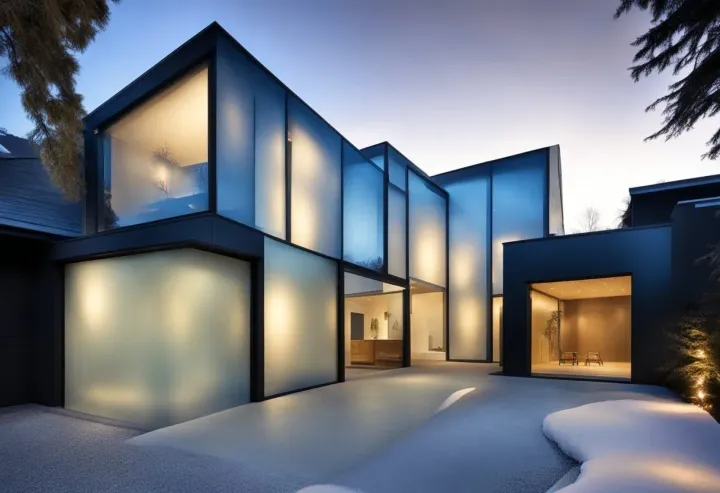
Explore Smart Glass Windows: Basics, Information, and Key Facts
Smart glass windows are advanced glazing systems designed to change their properties in response to external or user-controlled conditions. Unlike conventional glass, they can adjust transparency, tint, or heat transmission to improve comfort, efficiency, and usability in buildings and vehicles. The core idea behind smart glass technology is simple: allow light when it is useful and reduce glare, heat, or visibility when it is not. This approach exists to address long-standing challenges related to energy use, indoor comfort, and privacy in modern spaces.
As urban environments become denser and buildings rely more on glass façades, traditional solutions like blinds or curtains show limitations. Smart glass windows emerged as a response, combining materials science, electronics, and architectural design into a single adaptive surface.
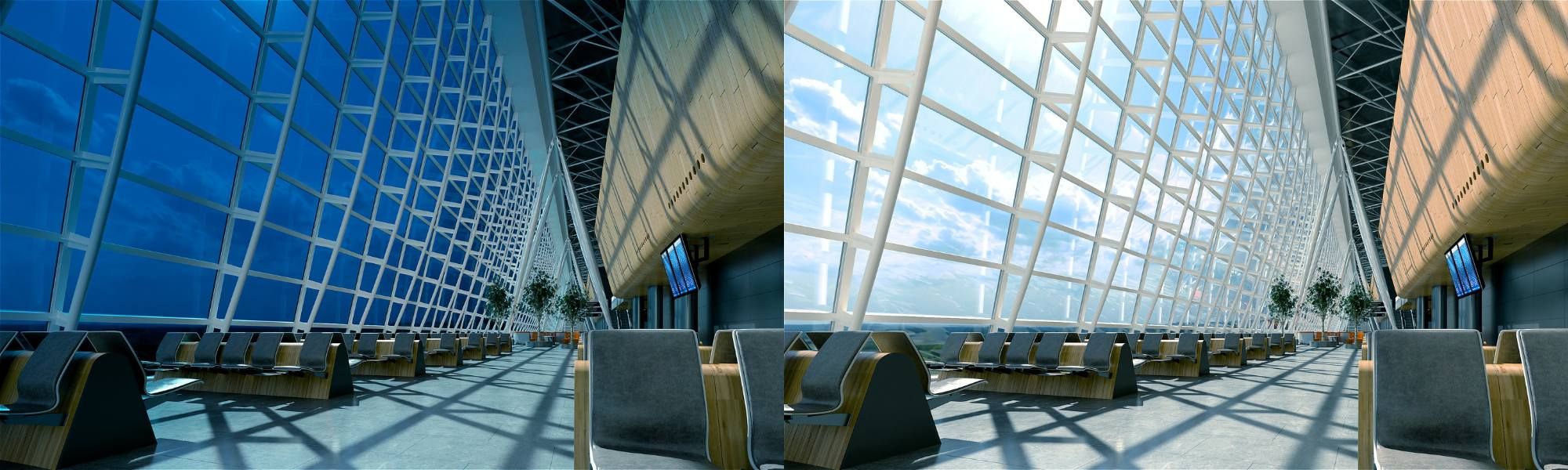
Smart glass windows matter because they directly influence how people experience indoor spaces. They affect daylight access, temperature control, and visual comfort without requiring manual intervention.
Key reasons this topic is important include:
-
Energy efficiency: By reducing heat gain and glare, smart glass supports lower dependence on artificial cooling and lighting.
-
Occupant comfort: Gradual light control minimizes eye strain and maintains consistent indoor conditions.
-
Privacy management: Switchable glass provides instant visual separation without physical barriers.
-
Design flexibility: Architects can design open, transparent spaces without sacrificing functionality.
These benefits affect a wide range of users, including homeowners, office occupants, healthcare facilities, educational institutions, and transportation designers. The technology addresses problems such as excessive solar heat, lack of adaptable privacy, and inefficient building envelopes.
Recent Developments and Trends
In recent periods, smart glass windows have seen notable progress in performance and adoption. Research and industry updates highlight improvements in durability, switching speed, and energy integration.
Common trends include:
-
Improved electrochromic materials: New formulations offer faster tinting transitions and longer operational lifespans.
-
Integration with building systems: Smart glass increasingly connects with sensors and building management platforms for automated control.
-
Expanded use cases: Beyond offices, applications now include healthcare rooms, classrooms, and transport interiors.
-
Sustainability focus: Smart glazing is frequently discussed in the context of green building certifications and low-energy design strategies.
The conversation around smart glass technology has shifted from experimental use to practical deployment, supported by ongoing studies and pilot installations across different climates and building types.
Regulations, Standards, and Policy Influence
Smart glass windows are influenced by general building and energy efficiency regulations rather than dedicated laws. Policies related to thermal performance, daylight access, and energy conservation often encourage the use of advanced glazing solutions.
Relevant regulatory themes include:
-
Building energy codes: These set limits on heat transfer and solar gain, where smart glass can contribute to compliance.
-
Safety glazing standards: Smart glass must meet the same strength and impact requirements as conventional architectural glass.
-
Accessibility and workplace guidelines: Visual comfort and glare reduction align with broader indoor environment standards.
Government programs that promote sustainable construction and reduced energy consumption indirectly support the adoption of smart glass windows by recognizing their contribution to efficient building design.
Tools, References, and Learning Resources
Several tools and resources help users understand and evaluate smart glass windows from a technical and planning perspective.
Useful resources include:
-
Daylight simulation software: Tools that model light transmission and glare reduction in building designs.
-
Energy performance calculators: Applications that estimate potential reductions in heat gain and cooling demand.
-
Material science publications: Journals and research databases explaining electrochromic and suspended particle technologies.
-
Architectural guidelines: Reference documents on integrating adaptive glazing into façades and interiors.
-
Smart building platforms: Systems that demonstrate how glazing can interact with sensors and controls.
These resources support informed decision-making and technical understanding rather than promotional activity.
How Smart Glass Technologies Compare
| Technology Type | How It Works | Key Characteristics |
|---|---|---|
| Electrochromic Glass | Changes tint when voltage is applied | Gradual transition, stable states |
| Suspended Particle Device | Aligns particles to control light | Fast switching, variable shading |
| Liquid Crystal Glass | Alters opacity through crystal alignment | Instant privacy, uniform appearance |
This comparison highlights that different smart glass solutions address different functional needs, from energy control to instant privacy.
Common Questions About Smart Glass Windows
What is the main purpose of smart glass windows?
Their main purpose is to control light, heat, and visibility dynamically, improving comfort and efficiency without mechanical coverings.
Do smart glass windows block all sunlight?
They do not block all sunlight. Instead, they regulate transmission, allowing natural light while reducing glare and heat when needed.
Are smart glass windows always transparent when powered off?
This depends on the technology. Some types default to a clear state, while others become opaque without power.
How long do smart glass windows typically last?
Lifespan varies by material and usage, but modern systems are designed for long-term architectural applications.
Can smart glass be used in existing buildings?
It can be incorporated during renovations, depending on structural and electrical considerations.
Broader Impact on Building Design
Smart glass windows influence how buildings are planned and experienced. By reducing reliance on movable shading devices, they simplify interior layouts and enhance façade aesthetics. Designers increasingly consider adaptive glazing as part of a holistic approach to sustainable and human-centered architecture.
A simplified view of impact areas is shown below:
| Impact Area | Contribution of Smart Glass |
|---|---|
| Energy Use | Lower cooling and lighting demand |
| Comfort | Balanced daylight and reduced glare |
| Space Design | Fewer physical partitions needed |
Conclusion
Smart glass windows represent an important development in modern building technology. By responding intelligently to light and environmental conditions, they address key challenges related to energy efficiency, comfort, and privacy. Their growing presence in architecture reflects broader trends toward adaptive, sustainable, and user-focused design. As research and standards continue to evolve, smart glass technology is likely to remain a central topic in discussions about the future of built environments.