Explore Off-Grid Cabin Rentals: A Complete Guide with Facts and Insights
Off-grid cabin rentals refer to cabins located in remote or semi-remote areas that operate independently from centralized utilities such as electricity, water supply systems, and sewer networks. These cabins rely on alternative systems like solar power, rainwater harvesting, composting toilets, and wood-based heating. The concept exists to support self-sufficient living and to provide access to natural environments where conventional infrastructure is limited or intentionally avoided.
The idea of off-grid cabins developed from traditional rural shelters and conservation practices. Over time, they became associated with sustainable living, minimal environmental impact, and intentional simplicity. Today, off-grid cabin rentals are commonly explored by people interested in learning about alternative energy use, nature-based stays, and low-impact lifestyles without permanent relocation.
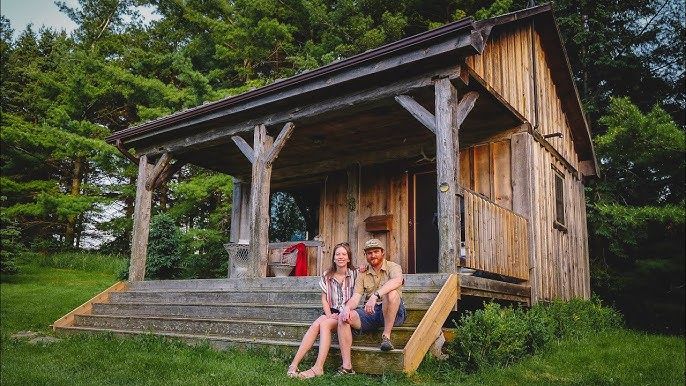
Rather than focusing on luxury or urban convenience, these cabins emphasize adaptability, resource awareness, and connection with surroundings. This makes them a useful example of how human habitation can function beyond standard utility frameworks.
Why Off-Grid Cabin Rentals Matter Today
Off-grid cabin rentals are increasingly relevant due to changing lifestyle preferences, environmental awareness, and the need for flexible accommodation models. They affect travelers, researchers, remote workers, educators, and individuals exploring sustainable practices.
Key reasons this topic matters include:
-
Growing interest in energy independence and renewable systems
-
Increased awareness of environmental limits and resource conservation
-
Demand for quiet, low-density environments
-
Educational value for sustainable living practices
-
Adaptation to remote and flexible lifestyles
These cabins help address several modern challenges. They demonstrate how basic needs such as power, water, and heating can be met without centralized systems. They also reduce strain on urban infrastructure and encourage mindful consumption.
For communities near protected landscapes, off-grid cabins can align with conservation goals by limiting large-scale development. For individuals, they offer insight into resilience, preparedness, and responsible land use.
Recent Trends and Developments
In recent months, off-grid cabin rentals have seen notable developments related to technology, design, and usage patterns. While the core concept remains unchanged, supporting systems have improved.
Common trends include:
-
More efficient solar panels with compact battery storage
-
Improved insulation materials for temperature regulation
-
Expanded use of satellite-based internet tools for communication
-
Modular cabin designs that reduce land disturbance
-
Increased documentation and transparency about energy usage
Another recent shift is the integration of data tracking tools that show daily power generation, water usage, and storage levels. This allows occupants to better understand resource limits and adjust behavior accordingly.
There has also been a rise in educational stays where occupants learn how off-grid systems function through manuals, diagrams, and on-site explanations. This reflects a broader interest in practical knowledge rather than passive stays.
Rules, Regulations, and Policy Considerations
Off-grid cabin rentals are influenced by land-use rules, environmental protections, and building standards. These frameworks exist to ensure safety, ecological balance, and responsible development.
Common regulatory considerations include:
-
Land zoning classifications
-
Environmental impact requirements
-
Building safety and material standards
-
Water usage and waste management guidelines
-
Wildlife and forest protection measures
In many regions, off-grid structures must demonstrate minimal ecological disruption. This can include limits on clearing land, restrictions on waste discharge, and requirements for renewable energy use.
Policies related to protected areas often influence where such cabins can exist. In some cases, permits are required to demonstrate compliance with conservation objectives. These measures help balance human access with long-term environmental stewardship.
Helpful Tools and Learning Resources
A variety of digital and practical tools support understanding and planning related to off-grid cabin rentals. These resources focus on education, monitoring, and self-assessment rather than transactions.
Useful categories include:
-
Energy usage calculators for solar and battery systems
-
Water collection and storage estimators
-
Weather and daylight tracking applications
-
Offline navigation and mapping tools
-
Maintenance checklists and planning templates
Example resource types
| Tool Type | Purpose | Common Use |
|---|---|---|
| Solar Load Calculator | Estimates daily power needs | Energy planning |
| Water Balance Sheet | Tracks collection and usage | Resource awareness |
| Offline Maps | Navigation without networks | Remote access |
| Maintenance Logs | Records system checks | Long-term reliability |
Educational websites and open-access guides also explain how off-grid systems operate, including diagrams of power flow and waste cycles. These materials help users understand limitations and best practices.
Common Questions and Clear Answers
What does “off-grid” mean in practical terms?
It means the cabin operates without connection to centralized utilities and relies on independent systems for power, water, and waste.
Is technical knowledge required to stay in an off-grid cabin?
Basic understanding is helpful, but most cabins include clear instructions. The experience often encourages learning through simple daily routines.
How is electricity typically managed?
Electricity usually comes from renewable sources such as solar panels, supported by battery storage and energy monitoring tools.
Are off-grid cabins suitable for longer stays?
Yes, when resource use is carefully managed. Longer stays often involve greater awareness of energy and water limits.
How do these cabins handle waste responsibly?
Waste systems often include composting toilets, sealed storage, or eco-friendly treatment methods designed to reduce environmental impact.
Additional Insights Through Comparison
The following table highlights general differences between off-grid cabins and grid-connected cabins for clarity.
| Aspect | Off-Grid Cabin | Grid-Connected Cabin |
|---|---|---|
| Power Source | Independent renewable systems | Central utility network |
| Water Supply | Collected or stored on-site | Municipal or shared supply |
| Resource Awareness | High | Moderate |
| Environmental Footprint | Typically lower | Varies by location |
This comparison helps illustrate why off-grid cabin rentals are often discussed in sustainability and resilience contexts.
Conclusion
Off-grid cabin rentals represent more than remote accommodation. They are practical examples of how living spaces can function with limited resources, thoughtful design, and environmental respect. Their continued relevance is shaped by technological improvements, environmental considerations, and changing lifestyle preferences.
By understanding how these cabins operate, why they exist, and how they are regulated, readers gain valuable insight into alternative living models. Whether approached from an educational, environmental, or experiential perspective, off-grid cabin rentals contribute meaningfully to discussions about sustainability and responsible land use.