Explore Lab Equipment: Basics, Knowledge & Helpful Insights
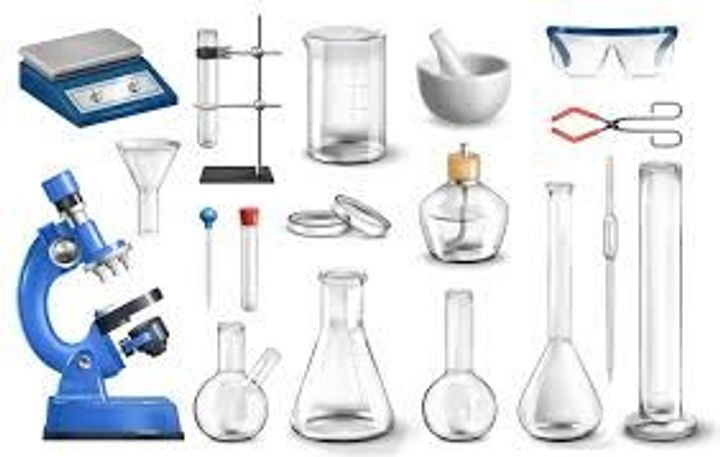
Lab equipment refers to a wide range of tools and instruments used in scientific research, testing, and analysis. These tools help scientists, researchers, and students conduct experiments accurately and safely. From microscopes and centrifuges to pipettes and spectrophotometers, each device plays a specific role in supporting reliable scientific work.
The purpose of lab equipment is to make research processes more precise, efficient, and consistent. Whether used in chemistry, biology, physics, or medical labs, the right equipment ensures experiments produce dependable results. Over time, laboratory technology has advanced significantly, with modern devices offering greater automation, digital integration, and safety features.
Why Lab Equipment Matters
Lab equipment is the foundation of every scientific investigation. Without accurate tools, data can become unreliable, leading to incorrect conclusions. Properly maintained and calibrated equipment ensures that every experiment aligns with scientific standards and regulatory expectations.
Today, laboratory tools are not only used in academic and research institutions but also in sectors such as:
-
Healthcare: For medical testing, diagnostics, and research on diseases.
-
Pharmaceuticals: For drug development and quality control.
-
Food and Beverage Industry: For safety and quality assurance testing.
-
Environmental Studies: For testing air, soil, and water samples.
These industries depend on advanced lab tools to ensure precision and safety. In addition, using the correct equipment reduces human error, improves productivity, and supports global standards of scientific excellence.
Recent Trends and Updates in Lab Equipment
In the past few years, laboratory equipment has evolved rapidly due to advances in automation, artificial intelligence, and sustainability. Below are some major updates and trends that have shaped the industry recently:
| Year | Trend/Update | Description |
|---|---|---|
| 2023 | Automation and Robotics | Many labs adopted automated liquid handling systems to reduce manual errors and improve workflow efficiency. |
| 2024 | Digital Integration | Cloud-connected devices and Internet of Things (IoT) tools became more common for remote monitoring and data analysis. |
| 2024–2025 | Sustainable Equipment | Eco-friendly lab tools and energy-efficient systems are gaining attention to reduce environmental impact. |
| 2025 | AI in Lab Management | Artificial intelligence tools began supporting predictive maintenance, calibration scheduling, and data management. |
These trends show that laboratories are increasingly embracing smarter and greener technology. The focus has shifted toward enhancing reproducibility, reducing waste, and ensuring compliance with digital data standards.
Regulations and Standards Affecting Laboratory Equipment
Laboratories must follow strict guidelines to maintain the accuracy and safety of their work. Many countries have regulations that ensure laboratory equipment is used and maintained properly.
For example:
-
ISO 17025: Sets the international standard for testing and calibration laboratories, ensuring competence and consistent results.
-
Good Laboratory Practice (GLP): A framework for maintaining the integrity of non-clinical lab studies, especially in chemical and pharmaceutical research.
-
OSHA Laboratory Safety Standards (U.S.): Ensures safe handling of hazardous materials and proper equipment maintenance.
-
EU REACH Regulations: Control the use of chemicals and materials within European laboratories.
In countries such as India, the Bureau of Indian Standards (BIS) also provides guidelines for equipment quality and laboratory certification. These policies help promote safe, reliable, and ethical laboratory operations.
Tools and Resources for Laboratory Work
Modern laboratories have access to several digital tools and online resources to support research, testing, and safety management. These resources improve efficiency and knowledge sharing across scientific communities.
Helpful Tools and Platforms:
-
LabArchives: A digital lab notebook that stores experimental data securely.
-
Benchling: A cloud-based research platform for managing life sciences data.
-
Quartzy: Helps track laboratory inventory and streamline ordering processes.
-
Labguru: Offers lab management software to organize data, workflows, and inventory.
-
NIH Research Tools Database: Provides access to a collection of government-supported lab tools and resources.
Educational Resources and Learning Platforms:
-
Khan Academy – Biology and Chemistry Labs: For students learning basic lab techniques.
-
Coursera – Laboratory Safety and Quality Management Courses.
-
YouTube Channels like LearnChemE or Bio-Rad Laboratories: For visual demonstrations of experiments and instrument handling.
These platforms empower learners, educators, and professionals to strengthen their technical skills and keep up with new scientific developments.
Commonly Used Laboratory Equipment
Laboratories use many types of equipment depending on their field of study. Below is a quick overview of commonly used instruments and their purposes:
| Equipment | Function | Common Use |
|---|---|---|
| Microscope | Magnifies small samples for detailed observation. | Biology, medical diagnostics |
| Centrifuge | Separates mixtures based on density. | Biochemistry, molecular biology |
| Spectrophotometer | Measures light absorbance of solutions. | Chemistry, environmental science |
| Pipette | Transfers accurate liquid volumes. | All scientific fields |
| Bunsen Burner | Provides heat for chemical reactions. | Chemistry labs |
| pH Meter | Measures acidity or alkalinity. | Environmental, food testing |
| Autoclave | Sterilizes equipment using steam. | Medical and microbiology labs |
Regular maintenance, calibration, and safety checks ensure these instruments deliver reliable performance.
Frequently Asked Questions
Q1: Why is proper maintenance of lab equipment important?
Regular maintenance ensures accuracy, extends the life of instruments, and prevents contamination or equipment failure during experiments.
Q2: What safety measures should be followed when using lab equipment?
Always wear protective gear, handle chemicals with care, follow safety data sheets, and ensure equipment is turned off after use.
Q3: How often should lab equipment be calibrated?
Calibration frequency depends on usage, but most equipment requires calibration every 6–12 months to maintain accuracy.
Q4: Are digital lab devices replacing traditional equipment?
Not completely. Digital tools enhance data accuracy and efficiency, but traditional instruments remain essential for basic laboratory work.
Q5: Can students use professional lab equipment for training?
Yes, under supervision. Many educational institutions provide safe, scaled-down versions of professional lab instruments for learning purposes.
Conclusion
Lab equipment forms the backbone of all scientific progress. Whether in a school laboratory or a high-tech research facility, each instrument contributes to advancing human knowledge and innovation. With growing emphasis on automation, sustainability, and digital integration, laboratories are becoming smarter and more efficient than ever before.
By understanding the basics, staying informed about new technologies, and following global standards, researchers and students can ensure that laboratory work remains accurate, ethical, and impactful for years to come.