Explore Food Dehydrators: Basics, Facts, and Helpful Information
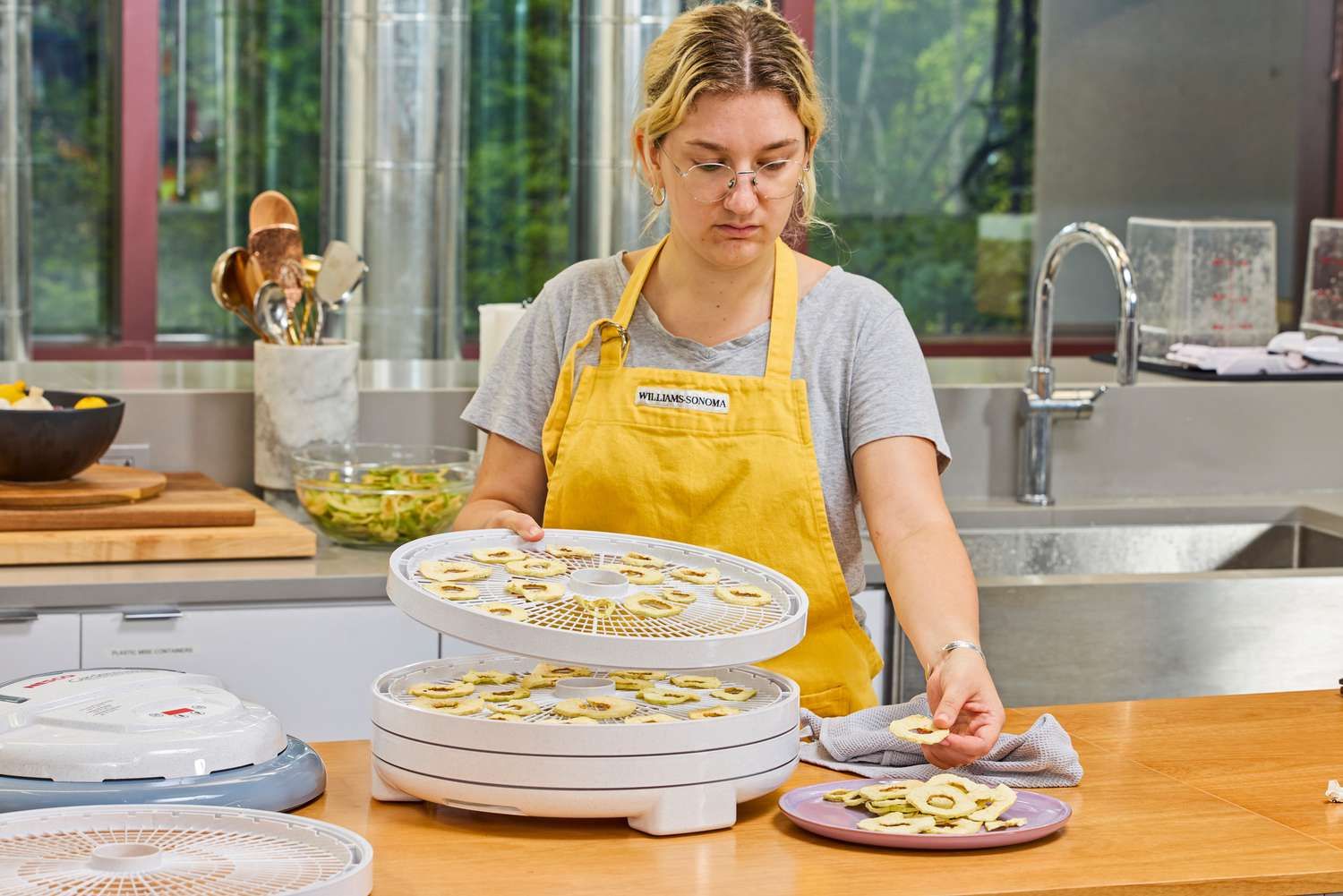
Food dehydrators are appliances designed to remove moisture from foods using controlled heat and airflow. This process slows the growth of bacteria, yeast, and mold, helping foods last longer without refrigeration. Dehydration is one of the oldest food preservation methods, originally done using sunlight and open air. Modern food dehydrators were developed to make this process safer, more consistent, and easier to manage indoors.
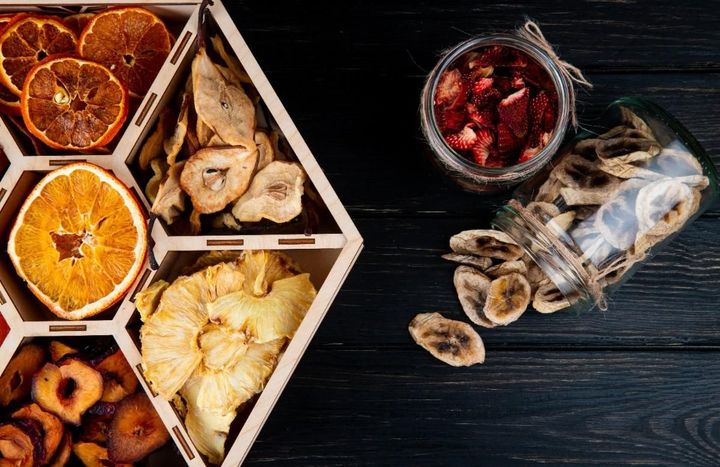
Today, food dehydrators are used for drying fruits, vegetables, herbs, grains, and proteins. By carefully controlling temperature and air circulation, they help maintain texture, flavor, and nutritional value better than many traditional preservation methods. Their existence is closely tied to the need for food storage efficiency, reduced spoilage, and long-term accessibility to seasonal produce.
Importance: Why Food Dehydrators Matter
Food dehydrators play a meaningful role in how people manage food at home and at small production levels. They are relevant to households, educators, nutrition planners, and food researchers. Their importance comes from solving several practical challenges.
Key reasons food dehydrators matter include:
-
Food preservation: Drying significantly extends shelf life by reducing moisture content.
-
Nutrient retention: Low-temperature dehydration helps preserve vitamins and minerals.
-
Waste reduction: Surplus produce can be preserved instead of discarded.
-
Storage efficiency: Dehydrated foods take up less space and are lighter in weight.
Food dehydration is also linked to emergency preparedness, outdoor activities, and dietary planning. By converting fresh food into shelf-stable forms, food dehydrators help address issues related to food loss, seasonal availability, and storage limitations.
Recent Updates: Trends and Developments
In recent months, food dehydration technology has seen gradual refinement rather than major disruption. Manufacturers and researchers have focused on improving consistency, safety, and energy efficiency.
Notable developments include:
-
Improved airflow design to ensure even drying across trays
-
Digital temperature controls for precise dehydration settings
-
Quiet operation systems aimed at indoor environments
-
Expanded educational content from food safety authorities and academic institutions
Another visible trend is the growing use of dehydration in nutrition education and food science programs. Updated guidelines emphasize proper temperature ranges and preparation steps to ensure safe dehydration, especially for vegetables and protein-based foods.
Laws or Policies: Regulatory Considerations
Food dehydrators are affected by general food safety and electrical appliance regulations. These rules focus on safe operating temperatures, material safety, and labeling standards rather than promoting or restricting dehydration itself.
Common regulatory areas include:
-
Food safety guidelines for drying fruits, vegetables, and proteins
-
Electrical safety standards for household appliances
-
Material compliance rules for trays and internal components
Public institutions often publish best-practice documents on safe dehydration methods. These guidelines help users understand temperature thresholds and preparation steps without referencing any specific regional legislation.
Tools and Resources: Helpful References
Several educational and practical resources support understanding and using food dehydration effectively.
Useful tools and references include:
-
Food dehydration charts showing recommended temperatures and drying times
-
Moisture content tables for different food categories
-
Nutrition databases comparing fresh and dehydrated foods
-
Food safety guides from academic and public health organizations
Below is a sample reference table often used in educational material:
| Food Category | Average Moisture Removed | Typical Texture After Drying |
|---|---|---|
| Fruits | High | Chewy to crisp |
| Vegetables | Very high | Brittle or leathery |
| Herbs | Extremely high | Crumbly |
| Grains | Moderate | Firm |
These tools help users make informed decisions based on factual information rather than assumptions.
FAQs: Common Questions Answered
What types of food can be dehydrated?
Most fruits, vegetables, herbs, grains, and certain prepared foods can be dehydrated when properly sliced and prepared.
Does dehydration remove nutrients?
Some heat-sensitive nutrients may reduce slightly, but dehydration generally preserves minerals, fiber, and many vitamins effectively.
How long does dehydration usually take?
Drying time depends on food type, thickness, and moisture level. It can range from several hours to more than a day.
Is dehydrated food considered shelf-stable?
When properly dried and stored in airtight conditions, dehydrated food can remain usable for extended periods.
Why is airflow important in a food dehydrator?
Consistent airflow ensures even moisture removal and helps prevent uneven drying or spoilage.
Visual Overview: Moisture Reduction Concept
| Fresh Food Weight | Water Content | Weight After Dehydration |
|---|---|---|
| 100 units | High | 20–25 units |
This simplified table shows how dehydration primarily removes water while keeping most solid components intact.
Conclusion: Key Takeaways
Food dehydrators exist to support safe, efficient food preservation through controlled moisture removal. Their importance lies in reducing waste, improving storage efficiency, and maintaining nutritional value. Recent developments have focused on precision and safety, while policies emphasize responsible food handling and appliance standards.
With the help of educational tools, charts, and safety guidelines, food dehydration remains a practical and well-documented method of food preservation. Understanding the basics, facts, and reliable information allows individuals and educators to use food dehydrators effectively and responsibly.