Drilling Machines: Types, Uses, Technology & Safety Guide
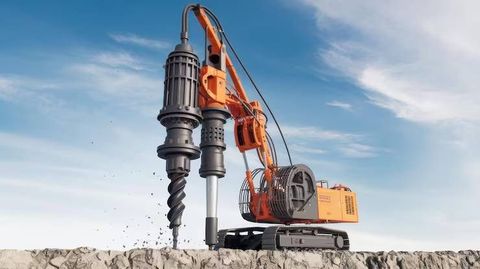
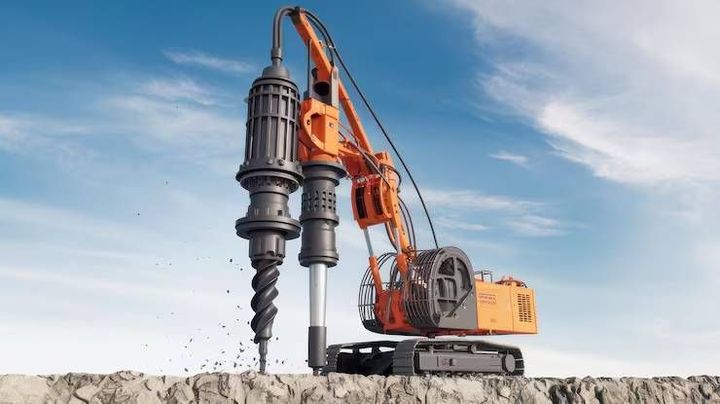
A drilling machine is a machine tool designed to create circular holes in materials such as metals, plastics, wood, and composites.
It uses a rotating drill bit that moves into the workpiece to remove material and create a hole of a required diameter and depth.
Drilling is one of the most common machining operations because holes are needed for bolts, screws, shafts, bearings, pipes, electrical components, and many other manufactured parts.
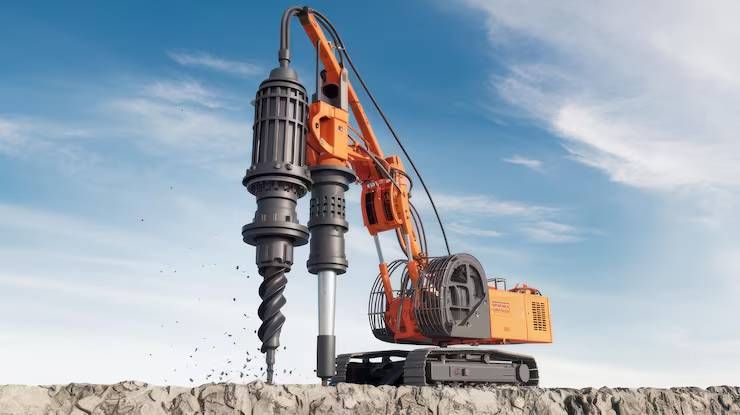
A basic drill press machine normally includes a motor, spindle, chuck, drill bit, work table, column, and base. More advanced equipment, such as a CNC drilling machine, uses computer-controlled movements to position the tool accurately and repeat drilling operations.
Common types include:
- Bench drilling machines for smaller components
- Pillar or column drilling machines for general industrial work
- Radial drilling machines for large or heavy workpieces
- CNC drilling machines for automated and repeatable production
- Deep-hole drilling machines for long and precise holes
- Magnetic drilling machines for work on large metal structures
- Multi-spindle drilling machines for producing several holes efficiently
The basic drilling process is relatively simple. The workpiece is positioned securely, the drill bit rotates at a selected speed, and controlled feed pressure moves the bit into the material.
The appropriate machine depends on the material, hole diameter, required depth, production volume, accuracy, and workpiece dimensions.
Why Drilling Machines Matter in Modern Manufacturing
Drilling machines are important because hole-making is required across many manufacturing activities. They are used in automotive production, aerospace components, construction equipment, electrical equipment, metal fabrication, railway manufacturing, furniture production, and general engineering.
For manufacturers, the main challenge is not simply creating a hole. The hole may need a specific diameter, depth, position, surface condition, and alignment.
A properly selected industrial drilling machine can help address these requirements through controlled spindle speed, feed movement, tooling, and workpiece positioning.
CNC drilling machines are particularly relevant when the same hole pattern must be repeated across many components. Computer-controlled positioning can reduce dependence on manual positioning and support consistent machining operations.
Several factors influence drilling performance:
- Material hardness and composition
- Drill bit material and geometry
- Spindle speed
- Feed rate
- Hole diameter
- Hole depth
- Cutting fluid requirements
- Workpiece stability
- Machine rigidity
- Required dimensional accuracy
Machine tools are also becoming more connected with automated manufacturing systems. The Ministry of Heavy Industries identifies machine tools as an important part of India's capital-goods industry and notes the development of CNC machines, machining centers, grinding machines, gear-cutting equipment, and other advanced technologies.
Drilling Machine Types and Their Typical Uses
| Machine type | Typical application | Main characteristic |
|---|---|---|
| Bench drilling machine | Small components | Compact and relatively simple |
| Pillar drilling machine | General workshop production | Greater working capacity |
| Radial drilling machine | Large components | Flexible positioning |
| CNC drilling machine | Repeated precision work | Computer-controlled movement |
| Deep-hole drilling machine | Long holes | Designed for high hole-depth ratios |
| Magnetic drilling machine | Structural steelwork | Portable magnetic base |
| Multi-spindle machine | Multiple holes | Several spindles operate together |
The choice should be based on the actual machining requirement rather than machine type alone. A simple operation may not require CNC control, while complex hole patterns can benefit from programmable positioning.
Recent Developments and Industry Trends
India's manufacturing environment has continued to move toward automation, digitalisation, and advanced machine tools during 2025 and 2026.
The Indian machine tool industry is increasingly associated with CNC equipment, automation, robotics, digital manufacturing, and Industry 4.0 technologies. A September 2026 industry analysis noted that modern machine tools are increasingly connected with intelligent manufacturing and precision production.
Manufacturing activity has also remained significant. Data reported in 2026 indicated strong growth in India's manufacturing sector during late 2025 and early 2026, with increased capacity utilisation and continued expansion in several industrial segments.
Another important development is the continued expansion of domestic manufacturing capabilities. In September 2026, industry discussions around Make in India highlighted deeper domestic value addition, stronger supply chains, technology development, and greater integration with global manufacturing networks.
The Ministry of Heavy Industries' 2025–26 annual report also describes continued work on manufacturing technology innovation platforms and indigenous technology development under the Capital Goods Scheme.
For drilling equipment, these trends can translate into greater use of:
- CNC-controlled drilling
- Automated tool changing
- Digital machine monitoring
- Programmable drilling cycles
- Robotics for material handling
- Sensors for process monitoring
- Computer-aided manufacturing
- Integrated quality inspection
These developments do not make conventional drilling machines obsolete. Manual and semi-automatic machines remain useful for maintenance, workshops, prototypes, repairs, and lower-volume manufacturing.
Laws, Standards, and Policies in India
Drilling machines used in Indian workplaces can be affected by occupational safety requirements, machinery standards, electrical requirements, and product-specific regulations.
A major regulatory development occurred on 21 November 2025, when India's Occupational Safety, Health and Working Conditions Code, 2020 came into force. The Code consolidates provisions relating to occupational safety, health, and working conditions.
For drilling-machine operators, workplace safety generally includes appropriate machine guarding, safe operating procedures, training, protective equipment where required, electrical safety, and controls against accidental contact with moving components.
The Bureau of Indian Standards (BIS) maintains Indian Standards covering machine tools and related equipment. Its standards portal allows users to search standards by product name or IS number and access related documents and information.
BIS also lists Scheme-X certification requirements for machinery, including metal-cutting machine tools covered under tariff headings 8456 to 8461. The exact regulatory requirement depends on the equipment's classification and the applicable notification or conformity-assessment requirement.
This distinction is important because not every drilling-related product automatically has the same certification requirement. Organisations should verify the current applicable Indian Standard, tariff classification, and government notification for the specific machine.
India's broader capital-goods policy also supports technology development and modernisation in machine tools. Government-backed programmes have included centres focused on machine tools, smart manufacturing, Industry 4.0, automation, and related technologies.
Helpful Tools and Resources
Several resources can help students, technicians, engineers, and manufacturing professionals understand drilling operations.
BIS Know Your Standard: The BIS portal can be used to search Indian Standards by keyword or IS number. It is useful when checking technical standards and related documents.
Drill Size Charts: Drill diameter charts help users identify standard metric, fractional, and letter drill sizes.
Cutting Speed and Feed Calculators: These calculators can estimate spindle speed and feed based on drill diameter, material, and recommended cutting parameters. Actual machine and tooling guidance should take priority.
CNC Simulation Software: CNC simulators allow learners and programmers to examine drilling cycles and tool movements before applying a program to physical equipment.
Machining Handbooks: Engineering reference books provide information about drilling geometry, cutting conditions, materials, hole quality, and tooling.
Machine Manuals: The original machine documentation is particularly important for spindle limits, chuck capacity, operating procedures, maintenance intervals, and safety precautions.
CMTI and Ministry of Heavy Industries Resources: India's Central Manufacturing Technology Institute and Ministry of Heavy Industries provide information related to manufacturing technology, machine tools, research, automation, and industrial development. Government-backed centres have also focused on smart and digital manufacturing.
Frequently Asked Questions
What is a drilling machine used for?
A drilling machine is primarily used to create round holes in materials. Depending on the tooling and machine configuration, drilling equipment can also support operations such as reaming, countersinking, counterboring, and tapping.
What is the difference between a drill press machine and a CNC drilling machine?
A drill press machine generally relies on manual positioning and operator controls. A CNC drilling machine uses computer-controlled movements to position the workpiece or cutting tool according to programmed instructions. CNC equipment is particularly useful for repeated hole patterns and automated production.
Which materials can drilling machines process?
Drilling machines can process many materials, including steel, aluminium, brass, plastics, wood, and composite materials. The correct drill geometry, speed, feed, and tooling depend on the material being machined.
Why is machine speed important during drilling?
Spindle speed affects cutting conditions, heat generation, tool wear, and hole quality. Excessive speed can create unwanted heat or accelerate tool wear, while an unsuitable low speed can also reduce machining efficiency. Recommended parameters should be selected according to the drill, material, and machine.
Are safety standards important for drilling machines?
Yes. Rotating spindles, drill bits, chips, and workpieces can create physical hazards. Appropriate guarding, secure workholding, operator training, electrical precautions, and safe operating procedures are important parts of responsible machine use. India's Occupational Safety, Health and Working Conditions Code, 2020 provides a broader legal framework for occupational safety and working conditions.
Conclusion
Drilling machines remain fundamental machine tools because accurate holes are required in a wide range of manufactured products. From basic drill press machines to advanced CNC drilling machines, different configurations address different production requirements.
Modern developments are increasingly connecting drilling operations with CNC control, automation, digital monitoring, robotics, and Industry 4.0 manufacturing. At the same time, conventional machines continue to have practical applications in workshops, maintenance, fabrication, and lower-volume production.