Discover Woodworking Machines: Knowledge, Advice & Expert Suggestions
Woodworking machines form the foundation of modern carpentry, furniture production, and interior design. They are specialized tools designed to shape, cut, and finish wood with efficiency and accuracy. From traditional saws to automated CNC routers, these machines have revolutionized how woodcraft is approached — blending craftsmanship with technology. Understanding their role, evolution, and best practices is essential for anyone interested in manufacturing, design, or creative construction.
Understanding the Context
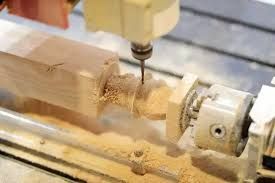
Woodworking machines have existed for centuries, evolving from manual hand tools to sophisticated mechanical systems. The core goal of these machines is to simplify the process of shaping wood into functional or decorative items. Whether it’s a jointer used for flattening surfaces, a planer for thickness control, or a lathe for turning shapes, each machine has a specific role in creating precise, consistent results.
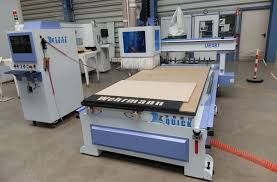
Today, the woodworking industry combines traditional skills with smart machinery. Modern workshops often use automated systems, such as computer numerical control (CNC) routers and laser cutters, which allow artisans and manufacturers to achieve detailed designs with remarkable speed and precision. The integration of digital technology has made woodworking not only more productive but also more sustainable through efficient material use.
Why Woodworking Machines Matter Today
Woodworking machines remain a vital part of the global manufacturing and construction ecosystem. They impact sectors such as home décor, architecture, furniture production, and even shipbuilding. Their importance can be understood through several aspects:
-
Precision and Efficiency: Machines help reduce manual effort and achieve fine accuracy in cutting, carving, and shaping.
-
Sustainability: Modern machines minimize waste through better cutting optimization and energy-efficient motors.
-
Safety and Consistency: Automated systems reduce human error and improve workplace safety.
-
Economic Growth: The woodworking equipment industry contributes to local economies by supporting small-scale workshops and large-scale manufacturing units alike.
In today’s fast-paced design environment, where customization and quality are key, woodworking machines help bridge the gap between creativity and mass production.
Recent Updates and Industry Trends
The woodworking industry has seen significant changes in recent years, particularly in 2024 and 2025. The integration of smart technology, automation, and eco-friendly practices has transformed how wood products are made and marketed.
Key Trends:
| Trend | Description |
|---|---|
| CNC Automation | CNC routers and milling machines are becoming standard in workshops, enabling high-speed, precision cutting. |
| Sustainable Woodworking | Use of recycled materials and energy-efficient machines to reduce carbon footprint. |
| IoT Integration | Smart sensors and software are helping monitor performance and maintenance in real time. |
| 3D Wood Printing | Emerging technology allows for complex wood-based composites to be shaped digitally. |
| Dust Collection Innovations | Enhanced dust extraction systems ensure better air quality and cleaner operations. |
In 2025, several manufacturers have launched compact, digitally connected woodworking machines that cater to small businesses and DIY users. For example, hybrid models now combine multiple functions — such as planing, sawing, and sanding — into a single, space-saving unit. These innovations make woodworking more accessible while maintaining high professional standards.
Laws, Safety Standards, and Regulations
Woodworking machinery is subject to strict safety and operational regulations in most countries to ensure worker protection and environmental compliance.
-
Machine Safety Standards: Many nations follow ISO 19085 (Woodworking Machine Safety Standards), which outlines essential design and operation requirements.
-
Workplace Safety Rules: Under occupational safety laws, operators must receive training, use protective gear, and perform regular maintenance checks.
-
Environmental Regulations: Governments encourage eco-friendly woodworking practices that limit wood waste and promote the use of sustainable timber sources.
-
Energy Efficiency Programs: In countries like India, the Bureau of Energy Efficiency (BEE) and similar international agencies support industries in adopting energy-efficient motors and drives.
-
Import and Certification Policies: Woodworking machines often require certification for noise, vibration control, and emission standards before import or sale.
These policies promote safer workplaces and more sustainable manufacturing processes while ensuring product quality and compliance across markets.
Essential Tools and Helpful Resources
Modern woodworking is supported by a wide range of machines, digital tools, and learning resources. Here are some examples:
Common Woodworking Machines:
-
Table Saw: For cross-cutting and ripping large wooden panels.
-
Planer: Used to smooth and level surfaces.
-
Lathe: For shaping cylindrical wooden objects like chair legs or bowls.
-
Band Saw: Ideal for curved cuts and detailed shaping.
-
CNC Router: A computer-controlled machine for intricate carving and pattern work.
Digital and Online Resources:
-
Woodwork Forums & Tutorials: Websites like WoodworkingTalk and FineWoodworking offer expert discussions and guides.
-
Design Software: Tools like AutoCAD, SketchUp, and Fusion 360 help create accurate digital blueprints.
-
Safety Apps: Apps such as SafetyCulture or OSH Tracker help ensure compliance with safety protocols.
-
Material Calculators: Online calculators estimate material requirements and reduce waste.
Learning Resources:
-
YouTube Channels: Channels like Wood Whisperer and Steve Ramsey Woodworking provide tutorials and maintenance advice.
-
Educational Institutions: Many technical institutes now offer short courses in advanced woodworking technology.
These tools collectively empower professionals and hobbyists to improve their craftsmanship and efficiency while maintaining high safety and quality standards.
Frequently Asked Questions
Q1: What are the most commonly used woodworking machines in small workshops?
Common machines include table saws, jointers, planers, and routers. These tools handle most cutting and shaping tasks efficiently for small-scale projects.
Q2: Are CNC woodworking machines suitable for beginners?
Yes. Although CNC machines may seem complex, modern interfaces are user-friendly, and online tutorials make it easier for beginners to learn basic operations quickly.
Q3: How can woodworking machines be maintained for long-term use?
Regular cleaning, blade sharpening, lubrication, and checking for motor wear are essential. Following manufacturer guidelines and using dust collection systems also extends lifespan.
Q4: What safety precautions should be followed when operating woodworking machines?
Always wear protective gear, avoid loose clothing, and never bypass safety guards. Ensure machines are switched off during blade changes or maintenance.
Q5: Is woodworking considered environmentally sustainable?
Yes, when sustainable timber and energy-efficient machines are used. Reusing wood scraps and adopting eco-friendly finishes also minimize environmental impact.
Conclusion
Woodworking machines continue to shape the intersection between artistry and technology. They enable precision, innovation, and sustainability — qualities that define modern manufacturing. With automation, digital design tools, and safety standards improving each year, woodworking has evolved into a field that balances creativity with responsibility.
Whether used by a small carpenter or a large furniture manufacturer, these machines represent the harmony of human skill and mechanical precision. By understanding their operation, staying updated on trends, and following safety guidelines, anyone can participate in this dynamic craft responsibly and effectively.