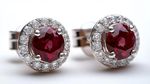
Diamond Bridal Jewellery Sets: Insights Into Coordinated Wedding Jewelry Designs
Diamond bridal jewellery sets bring together coordinated pieces such as necklaces, earrings, bracelets, rings, and other accessories to create a unified wedding look. Designs can range from traditional diamond arrangements to contemporary sets with lighter profiles, mixed shapes, geometric details, or personalized elements.
Modern bridal sets increasingly focus on coordination, versatility, comfort, and designs that can be styled across different wedding events. Understanding diamond arrangements, metal choices, proportions, settings, and matching techniques can help explain the variety of bridal jewellery styles available today.
Diamond Bridal Jewellery Sets: Insights Into Coordinated Wedding Jewelry Designs
Context
Diamond bridal jewellery sets are coordinated collections of jewelry designed to create a unified appearance for wedding celebrations. A set may include a necklace, earrings, bracelet, ring, pendant, or other complementary pieces depending on the design.
The individual pieces can share diamond shapes, metal colors, motifs, setting styles, or decorative patterns. Some sets are highly coordinated, while others use subtle similarities to create a more flexible bridal look.
What Are Diamond Bridal Jewellery Sets?
A diamond bridal jewellery set typically combines two or more jewelry pieces designed around a common visual theme. The necklace and earrings may use matching diamond arrangements, while a bracelet or ring can repeat smaller elements from the main design.
The overall appearance depends on factors such as diamond shape, stone arrangement, metal, setting, scale, surface finish, and decorative motifs.
Main Components
A coordinated bridal set may include:
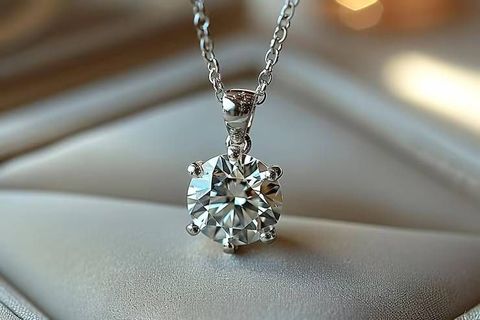
Diamond necklace
Matching earrings
Diamond bracelet
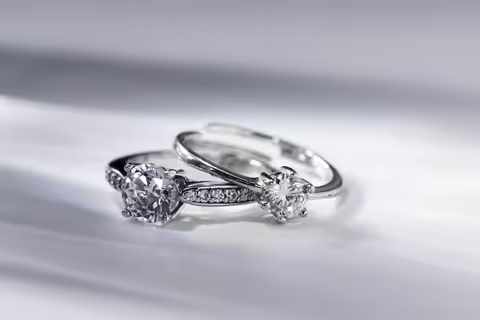
Diamond ring
Pendant
Bangles
Additional coordinated accessories
Not every set needs to contain all of these pieces. The composition can be adapted according to the wedding outfit, ceremony, reception, and personal styling preferences.
Diamond Arrangements
Round brilliant diamonds are commonly used for repeated patterns, while oval, pear, marquise, emerald, baguette, and other shapes can introduce different visual effects.
Cluster arrangements group several smaller diamonds around a central point. Linear arrangements create structured rows, while floral and geometric patterns can add decorative detail to necklaces and earrings.
Importance
Coordinated bridal jewellery can help connect different parts of a wedding ensemble. When the necklace, earrings, bracelet, and other pieces share visual elements, the overall styling can appear more unified.
Necklace and Earring Coordination
The necklace and earrings often form the central combination within a bridal jewellery set. Their proportions can be matched so that one does not visually overwhelm the other.
A detailed necklace may be paired with relatively understated earrings, while a simpler necklace can work with more prominent drops or chandelier-style earrings.
Bracelet and Ring Coordination
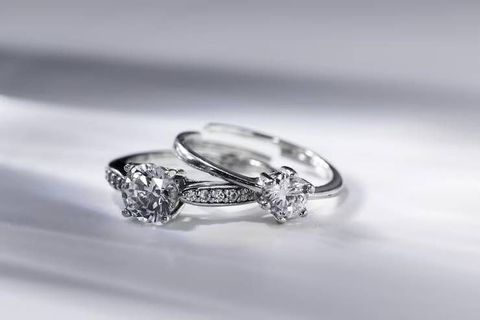
Bracelets and rings can repeat the diamond shape, metal color, or decorative motif used elsewhere in the set.
For example, a bracelet may use a continuous line of diamonds while the ring incorporates a similar pavé arrangement. These repeated elements create visual continuity without requiring every piece to be identical.
Traditional and Contemporary Styles
Traditional bridal designs can incorporate elaborate motifs, layered forms, floral details, and substantial visual presence. Contemporary designs may use cleaner lines, open structures, geometric forms, or lighter profiles.
Many modern sets combine elements from both approaches, creating jewelry that references traditional bridal styling while using updated proportions and construction.
Metal Selection
Diamond bridal jewellery can be made using platinum, white gold, yellow gold, rose gold, or combinations of metals.
White metals can create a continuous visual relationship with colorless diamonds, while yellow and rose gold introduce warmer contrast. Two-tone designs can use differences in metal color to define patterns or separate individual components.
Matching the Wedding Outfit
The neckline, fabric, embroidery, color palette, and overall silhouette of a bridal outfit can influence jewelry coordination.
For example, a high neckline may interact differently with a long necklace than a deep or open neckline. Heavy embroidery may also influence whether the jewelry uses elaborate patterns or simpler geometric forms.
Recent Updates
Recent bridal jewelry design has increasingly emphasized versatility, personalization, lighter construction, modular arrangements, and combinations of traditional and contemporary elements.
Lightweight Diamond Sets
Lighter jewelry profiles are increasingly relevant to contemporary bridal styling. Slimmer necklaces, refined earrings, delicate bracelets, and smaller coordinated pieces can create a polished appearance without relying entirely on large-scale construction.
Lightweight design can also make individual pieces easier to style for receptions, celebrations, anniversaries, and other occasions after the wedding.
Modular Bridal Jewellery
Modular jewelry uses pieces that can be combined, separated, or restyled. A necklace may have detachable sections, while earrings can include removable drops or a bracelet can be combined with other pieces.
This approach allows a coordinated bridal collection to create different combinations across multiple events.
Personalized Diamond Sets
Personalization can appear through initials, dates, symbolic motifs, birthstones, engraving, or other design details.
A personalized element does not need to dominate the jewelry. Small details incorporated into a pendant, bracelet, clasp, or hidden section can provide a more subtle connection to the wedding.
Mixed Diamond Shapes
Contemporary sets can combine multiple diamond shapes to create visual contrast. Round diamonds may be paired with pear, marquise, baguette, emerald, or oval stones.
Mixed shapes can be arranged symmetrically or used selectively across different pieces of the set.
Heritage-Inspired Designs
Heritage-inspired bridal jewelry continues to combine historical motifs with contemporary construction. Floral patterns, geometric details, traditional Indian decorative forms, and antique-style finishes can appear alongside modern diamond arrangements.
This approach can create a connection between family jewelry traditions and contemporary bridal styling.
Coordinated Multi-Event Styling
Modern bridal collections can be planned around different wedding functions rather than one single appearance. A larger necklace and earring combination may suit the main ceremony, while lighter coordinated pieces can be used for a reception or later celebrations.
This creates a more flexible approach to bridal jewelry and allows individual pieces to function beyond the wedding day.
Laws or Policies
Diamond bridal jewellery in India can be subject to requirements relating to precious-metal purity, hallmarking, product information, and applicable consumer regulations.
Precious-Metal Hallmarking
The Bureau of Indian Standards operates India's hallmarking framework for applicable precious-metal jewelry. Hallmarking provides information about the purity of qualifying precious-metal articles under the applicable system.
For diamond bridal jewellery, the relevant requirements depend on the metal, jewelry category, and current regulatory provisions.
Diamond Documentation
Diamond documentation can provide information about characteristics such as carat weight, color, clarity, measurements, and other identification details depending on the laboratory and report.
When several diamonds are incorporated into one jewelry set, documentation may differ according to the stones and the type of report provided.
Product Information
Jewelry specifications can include metal purity, diamond characteristics, gemstone details, dimensions, and other relevant product information.
Terminology should be reviewed carefully because diamond shape, cut style, clarity, color, carat weight, and setting describe different aspects of jewelry and gemstones.
Standards Verification
Indian jewelry standards and regulatory requirements can change over time. Current BIS information and applicable regulations should therefore be checked when evaluating a specific diamond bridal jewellery set or manufacturing process.
Tools and Resources
Understanding diamond bridal jewellery sets involves jewelry design, gemstone characteristics, metalwork, sizing, and coordination.
Diamond Shape References
Diamond shape references help distinguish between round, oval, pear, marquise, emerald, princess, baguette, and other shapes.
Shape and cutting style are related concepts but describe different aspects of a diamond. Understanding the distinction can make jewelry design descriptions easier to interpret.
Setting References
Common jewelry settings include:
Prong setting
Pavé setting
Channel setting
Bezel setting
Halo setting
Cluster setting
Bar setting
Each setting changes the amount of visible metal and the way gemstones are positioned within the jewelry.
Jewelry Sizing
Sizing information is important for rings, bracelets, bangles, and other fitted pieces.
Useful measurements can include ring size, wrist circumference, bracelet length, necklace length, earring dimensions, and the intended position of each piece.
Wedding Outfit Coordination
When coordinating a diamond bridal set, useful design factors include:
Neckline
Fabric color
Embroidery
Metal color
Diamond shape
Jewelry scale
Hairstyle
Other accessories
Ceremony style
Reception styling
Considering these elements together can help create a visually balanced ensemble.
Jewelry Inspection
Jewelry inspection can examine diamond security, prong condition, clasp function, metal surfaces, stone movement, and other structural details.
For intricate bridal sets containing numerous stones and moving components, inspection can help identify maintenance requirements before an important event.
Jewelry Storage
Diamond jewelry should be stored carefully to reduce contact with other pieces. Individual compartments, soft-lined storage, and appropriate separation can help reduce scratching and surface damage.
Pieces with delicate settings or numerous small stones may require additional attention during storage and handling.
FAQs
What are diamond bridal jewellery sets?
Diamond bridal jewellery sets are coordinated collections of diamond jewelry designed for wedding styling. They may include necklaces, earrings, bracelets, rings, pendants, bangles, or other complementary pieces.
What pieces are included in a diamond bridal jewellery set?
A set can include a necklace and earrings as the main combination, with bracelets, rings, pendants, bangles, or other coordinated pieces added depending on the design.
How can diamond bridal jewellery be coordinated with a wedding outfit?
Coordination can consider neckline, fabric, embroidery, outfit color, metal tone, diamond shapes, jewelry proportions, and the overall styling of the ceremony or reception.
Are modern diamond bridal jewellery sets suitable for multiple events?
Yes. Contemporary sets can include lighter or modular pieces that can be combined differently for ceremonies, receptions, celebrations, and later occasions.
What should be considered when selecting a diamond bridal jewellery set?
Important factors include diamond shapes, setting styles, metal type, jewelry proportions, outfit coordination, sizing, personalization, construction, documentation, and intended use across wedding events.
Conclusion
Diamond bridal jewellery sets bring together coordinated necklaces, earrings, bracelets, rings, and other pieces to create a unified wedding appearance. Traditional motifs can be combined with contemporary proportions, mixed diamond shapes, lighter construction, personalization, and modular designs. Metal selection, setting style, jewelry scale, outfit coordination, and documentation all contribute to the overall design. Understanding these elements provides a useful foundation for exploring coordinated diamond bridal jewelry and contemporary wedding styling.