Conservation Tourism: Discover Wildlife Conservation and Important Facts
Conservation tourism refers to travel activities connected with the protection of wildlife, ecosystems, natural habitats, and biodiversity. It combines tourism with conservation efforts so visitors can learn about natural environments while contributing to their protection.
The concept is broader than simply visiting a national park or wildlife reserve. Conservation tourism can include wildlife observation, protected-area visits, ecological education, habitat restoration activities, community-based tourism, marine conservation programs, and responsible nature experiences.
How Conservation Tourism Developed
The development of conservation tourism is closely connected with the growth of protected areas and wildlife conservation programs. National parks, nature reserves, marine protected areas, and forest conservation zones created places where ecosystems could be protected while allowing controlled public access.
Over time, tourism became connected with conservation funding, environmental education, scientific monitoring, and local community participation. This created a model in which carefully managed visitor activity can support broader environmental objectives.
Main Types of Conservation Tourism
Conservation tourism can take several forms:
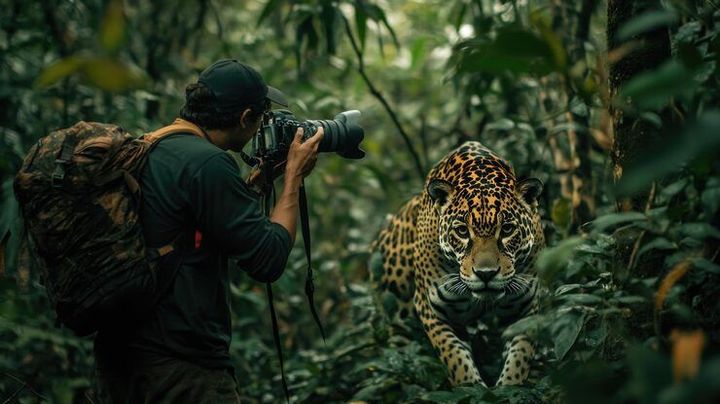
Wildlife tourism: Visitors observe animals in their natural habitats while following wildlife protection rules.
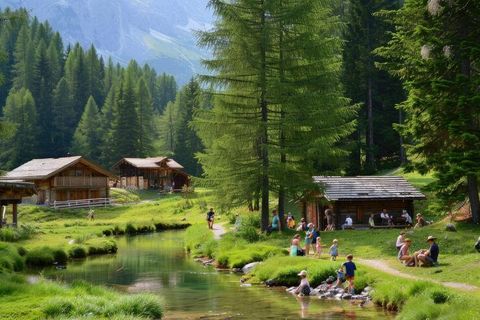
Protected-area tourism: Travel takes place within national parks, wildlife reserves, forests, wetlands, or other protected landscapes.
Marine conservation tourism: Activities focus on coral reefs, marine species, coastal ecosystems, and ocean conservation.
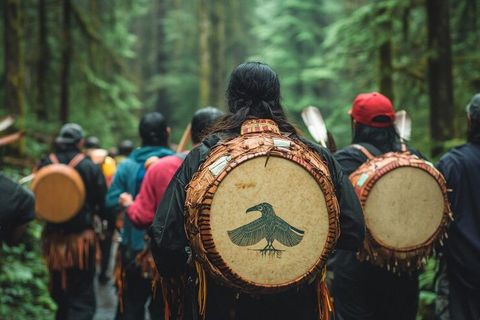
Community-based conservation tourism: Local communities participate in tourism planning, interpretation, conservation activities, and cultural programs.
Ecological education tourism: Visitors learn about ecosystems, species, climate, habitat protection, and environmental management.
Conservation research tourism: Some programs allow visitors to participate in structured monitoring or educational research activities under appropriate supervision.
A simple example is a visitor joining a guided wildlife observation activity in a protected area. The experience may include learning about animal behavior, habitat protection, local ecosystems, and rules designed to reduce disturbance.
Importance
Why Conservation Tourism Matters
Conservation tourism can connect public interest in travel with environmental education and habitat protection. Visitors can gain a clearer understanding of ecosystems when they see wildlife and natural landscapes directly rather than learning only through books or digital media.
Tourism can also create financial resources for protected areas and conservation programs. However, the relationship depends on local policies, visitor management, funding structures, and how tourism revenue is allocated.
Wildlife and Habitat Protection
Protected areas can provide important habitats for wildlife and plants. Conservation tourism can help communicate why these areas matter and why activities such as habitat restoration, species monitoring, anti-poaching programs, and ecological research require long-term management.
Visitor activity must still be controlled. Excessive traffic, noise, litter, inappropriate wildlife interaction, habitat disturbance, and poorly managed infrastructure can create environmental pressure.
Community Participation
Local communities can play an important role in conservation tourism. Community participation may involve guiding, accommodation, cultural interpretation, conservation monitoring, environmental education, and local decision-making.
When communities participate in tourism planning and conservation programs, local knowledge can contribute to understanding landscapes, wildlife behavior, traditional resource use, and environmental change.
Major Conservation Tourism Models
| Model | Main Focus | Typical Activities | Conservation Connection |
|---|---|---|---|
| Wildlife Tourism | Wild animals | Wildlife observation, guided visits | Habitat and species awareness |
| Protected-Area Tourism | Natural landscapes | Park visits, hiking, nature interpretation | Protected-area management |
| Marine Tourism | Ocean ecosystems | Reef observation, marine education | Marine habitat protection |
| Community Tourism | Local participation | Cultural and nature activities | Community conservation |
| Research Tourism | Scientific learning | Monitoring and educational projects | Data collection and ecological research |
Recent Updates
Digital Wildlife Monitoring
From 2024 through 2026, conservation organizations have continued expanding digital monitoring technologies. Camera traps, GPS devices, satellite imagery, acoustic sensors, drones, and geographic information systems can help researchers monitor wildlife and habitats.
Camera traps, for example, automatically record animals passing through specific locations. Researchers can analyze these images to study species presence, movement patterns, and changes in wildlife activity.
Artificial Intelligence in Conservation
AI-assisted image recognition is increasingly being used to process large collections of wildlife photographs and recordings. Automated systems can help identify species, classify images, detect patterns, and reduce the amount of manual data processing required.
AI does not replace field researchers. Data quality, species identification accuracy, ecological context, and human review remain important, particularly when conservation decisions depend on monitoring results.
Satellite and Remote Sensing Technologies
Satellite imagery and remote sensing provide information about forests, wetlands, coastlines, vegetation, fires, land-use changes, and habitat conditions. These technologies can help conservation organizations monitor large areas that are difficult to inspect continuously from the ground.
Protected-area managers can combine satellite data with field observations to understand environmental changes and plan monitoring activities.
Sustainable Visitor Management
Recent conservation planning increasingly focuses on managing visitor numbers, movement, infrastructure, waste, water use, wildlife interactions, and sensitive habitats. Digital reservations, visitor monitoring, designated routes, and environmental impact assessments can support more controlled access.
UNESCO's sustainable tourism framework emphasizes balancing tourism with protection of heritage and involvement of local communities. Although World Heritage designation applies only to listed properties, its tourism-management principles provide a useful international reference for protected and heritage locations.
Laws or Policies
International Conservation Frameworks
Conservation tourism operates within different legal systems, so there is no single worldwide tourism law covering every destination. International agreements can nevertheless influence wildlife protection, protected areas, biodiversity management, and international movement of species.
The Convention on Biological Diversity provides an international framework for biodiversity conservation, sustainable use of biological resources, and fair and equitable sharing of benefits from genetic resources.
The Convention on International Trade in Endangered Species of Wild Fauna and Flora, commonly known as CITES, regulates international trade in listed wildlife species and products derived from them. Its requirements are implemented through national legislation in participating countries.
Protected Areas
National parks, wildlife reserves, marine protected areas, and other conservation zones are generally governed by national or regional laws. These rules may regulate vehicle access, wildlife interaction, photography, camping, fishing, drones, collection of plants or animals, and visitor movement.
Requirements differ between destinations. A behavior permitted in one protected area may be prohibited in another because of different species, habitats, conservation objectives, or local legislation.
Wildlife Protection and Visitor Rules
Visitors may encounter restrictions on feeding animals, approaching wildlife, using artificial lighting, making loud noises, leaving designated paths, or entering restricted habitats.
These restrictions are designed to reduce disturbance and protect both wildlife and visitors. Local park authorities and conservation agencies normally establish the specific rules applicable to each site.
Tools and Resources
Wildlife Monitoring Equipment
Conservation programs use camera traps, GPS collars, acoustic recorders, binoculars, environmental sensors, drones, and field data collection equipment. These tools can provide information about animal populations, movement, habitat conditions, and environmental changes.
Geographic Information Systems
GIS software allows conservation teams to display and analyze geographic information. Wildlife sightings, habitat boundaries, protected areas, roads, water sources, and environmental changes can be represented on digital maps.
Satellite Data
Satellite platforms provide imagery that can help monitor forest cover, vegetation changes, water bodies, fires, and land-use patterns. Researchers can compare imagery from different dates to identify changes across large landscapes.
Conservation Databases
Organizations such as the International Union for Conservation of Nature maintain information related to species and biodiversity. The IUCN Red List provides assessments of the conservation status of many species and is widely used as a reference for biodiversity research.
Visitor Planning Tools
Digital maps, park information systems, permit platforms, trail-management systems, weather information, and wildlife monitoring dashboards can help visitors and protected-area managers understand conditions and manage access.
FAQs
What is conservation tourism?
Conservation tourism is travel connected with wildlife protection, habitat conservation, biodiversity education, and responsible visits to natural environments. It can include protected-area visits, wildlife observation, marine conservation, and community-based activities.
How does conservation tourism help wildlife?
Conservation tourism can support environmental education, protected-area funding, community participation, wildlife monitoring, and public awareness. Its impact depends on how tourism activities and related resources are managed.
Where can conservation tourism take place?
Conservation tourism can take place in national parks, wildlife reserves, forests, wetlands, marine protected areas, coastal ecosystems, conservation centers, and other locations where natural habitats are managed for protection.
What technologies are used in conservation tourism?
Common technologies include camera traps, GPS systems, satellite imagery, drones, GIS software, acoustic sensors, mobile applications, and AI-assisted image analysis. These tools can support wildlife monitoring and visitor management.
What are the challenges of conservation tourism?
Potential challenges include habitat disturbance, excessive visitor numbers, waste, wildlife stress, infrastructure pressure, and unequal distribution of tourism-related resources. Effective planning and local rules are important for reducing these pressures.
Conclusion
Conservation tourism connects travel with wildlife protection, biodiversity education, habitat management, and community participation. Protected areas, digital monitoring, satellite technology, camera traps, GIS, and AI-assisted analysis are increasingly supporting conservation activities. International frameworks such as the Convention on Biological Diversity and CITES provide important global context, while individual destinations apply their own laws and visitor rules. Effective conservation tourism depends on balancing public access with the long-term protection of ecosystems and wildlife.