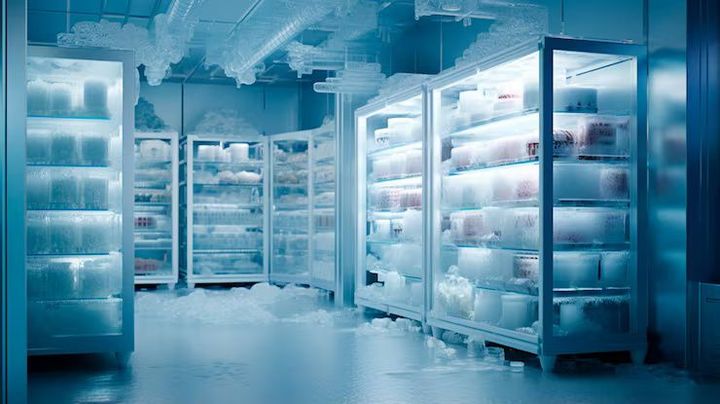
Cold Room Units: Guide to Temperature-Controlled Storage and Refrigeration Technology
Cold Room Units are refrigeration systems designed to maintain controlled temperatures for storing temperature-sensitive products. They are used across food processing, cold storage, pharmaceuticals, agriculture, hospitality, and other industries. Modern cold room systems combine refrigeration equipment, insulated enclosures, temperature controls, air circulation, monitoring systems, and safety features to maintain suitable storage conditions.
Cold Room Units: Guide to Temperature-Controlled Storage and Refrigeration Technology
Context
Cold Room Units are refrigeration systems designed to maintain controlled temperatures inside insulated storage spaces. They help preserve products that require stable temperature conditions during storage, handling, and distribution.
A cold room normally consists of an insulated enclosure combined with refrigeration equipment and temperature-control systems. Depending on the application, the room may be designed for chilled storage, frozen storage, produce handling, food processing, pharmaceutical storage, or other temperature-sensitive materials.
The refrigeration unit removes heat from the enclosed space and transfers it to the surrounding environment. The system continuously manages the internal temperature according to the required storage conditions.
Basic Operating Process
A typical cold room refrigeration cycle involves several connected components and stages:
The refrigeration system absorbs heat from the cold room.
The refrigerant carries the absorbed heat through the refrigeration circuit.
The compressor increases refrigerant pressure.
The condenser releases heat from the refrigerant.
The expansion device reduces refrigerant pressure.
The evaporator absorbs heat from the cold room again.
Fans circulate cooled air throughout the storage space.
Temperature controls monitor and regulate the system.
The exact arrangement depends on the cold room design, refrigerant system, room size, operating temperature, and application.
Main Components
Cold Room Units contain several mechanical, electrical, and control components that work together.
| Component | Main Function |
|---|---|
| Compressor | Circulates and compresses refrigerant |
| Condenser | Releases heat from the refrigerant |
| Evaporator | Absorbs heat from the cold room |
| Expansion device | Controls refrigerant pressure and flow |
| Evaporator fan | Circulates cooled air |
| Condenser fan | Supports heat rejection |
| Temperature controller | Monitors and regulates room temperature |
| Insulated panels | Reduce heat transfer through room walls |
| Cold room door | Provides controlled access to the room |
| Monitoring system | Records operating conditions |
Types of Cold Room Units
Cold room systems can be classified according to their temperature range, size, construction, and intended application.
Chilled rooms are generally used for products requiring cool but non-frozen storage conditions. Freezer rooms operate at lower temperatures for frozen products.
Walk-in cold rooms provide enough space for personnel and handling equipment to enter the storage area. Larger industrial systems can be designed for warehouses and distribution facilities.
Compact modular systems can be installed where storage requirements are smaller or where the room needs to be assembled from prefabricated insulated panels.
Importance
Cold Room Units are important for maintaining controlled storage conditions for products affected by temperature changes. Proper refrigeration helps organizations maintain product quality and manage storage operations.
Temperature Control
Stable temperature is one of the main requirements of temperature-sensitive storage. Cold room systems continuously remove heat to maintain the selected operating range.
Temperature controllers and sensors allow operators to monitor conditions and identify changes that may require attention.
Food Storage
Cold rooms are widely used in food-related environments. Meat, dairy products, fruits, vegetables, prepared foods, beverages, and other products may require controlled temperature conditions during storage.
The appropriate temperature and humidity conditions depend on the specific product and applicable handling requirements.
Pharmaceutical Storage
Some pharmaceutical and healthcare products require controlled environmental conditions. Specialized cold rooms may incorporate monitoring and alarm systems to maintain appropriate storage conditions.
Storage requirements should always be determined from the product specifications and applicable regulatory requirements.
Agricultural Products
Cold storage can help maintain suitable conditions for agricultural products after harvesting. Different fruits, vegetables, flowers, and other products can have different temperature and humidity requirements.
Cold room design therefore needs to consider product characteristics, storage duration, airflow, and loading patterns.
Distribution and Logistics
Cold rooms are also used at warehouses, food distribution facilities, processing sites, and logistics centers. They provide temperature-controlled areas between production and transportation stages.
Door design, loading practices, air circulation, and refrigeration capacity all influence room performance.
Product Organization
A properly designed cold room can support organized storage through suitable shelving, racks, aisles, containers, and access arrangements.
Storage layout should allow adequate air circulation around stored products and avoid blocking evaporator airflow.
Recent Updates
Recent developments in Cold Room Units have focused on energy management, digital monitoring, automated controls, improved refrigeration components, and more efficient system integration.
Digital Temperature Monitoring
Modern systems increasingly use digital sensors and monitoring platforms to track temperature conditions continuously.
Data can be displayed through control panels or connected monitoring systems. This allows operators to review current conditions and maintain records where required.
Automated Controls
Electronic controllers can regulate compressor operation, fans, defrost cycles, and other refrigeration functions.
Automated controls can adjust equipment operation according to temperature readings and configured parameters.
Energy Management
Energy consumption is an important consideration for refrigeration facilities. Modern systems may incorporate variable-speed components, improved controls, efficient fans, and better insulation to manage energy use.
The overall energy requirement depends on room size, temperature range, ambient conditions, door openings, product load, insulation, and equipment configuration.
Improved Insulation
Insulated panels and improved enclosure designs help reduce heat transfer between the cold room and surrounding environment.
Proper installation of panels, doors, joints, and seals is important because gaps or damaged insulation can increase the refrigeration load.
Remote Monitoring
Connected refrigeration systems can provide remote access to temperature information, equipment status, alarms, and other operating data.
Remote monitoring can help facility personnel identify changes in operating conditions without being physically present at the cold room.
Refrigerant Developments
Refrigeration technology continues to evolve in response to environmental requirements and changing industry practices. Refrigerant selection depends on system design, application, safety considerations, and applicable regulations.
Equipment specifications should identify the appropriate refrigerant and operating conditions for the system.
Laws or Policies
Cold Room Units may be subject to refrigeration, electrical, workplace safety, environmental, food-storage, and product-specific requirements. Regulations differ between countries and applications.
Refrigeration Safety
Refrigeration systems contain pressurized components and may use refrigerants with specific handling requirements. Installation, inspection, maintenance, and refrigerant management should follow applicable regulations and technical procedures.
Only appropriately trained personnel should carry out specialized refrigeration work.
Electrical Safety
Cold rooms use compressors, fans, controllers, sensors, lighting, and other electrical equipment. Electrical installations should comply with applicable local requirements.
Electrical components should be inspected regularly, especially in environments where moisture and condensation may be present.
Food Storage Requirements
Food storage facilities may need to follow rules covering temperature management, hygiene, storage practices, cleaning, and monitoring.
The requirements depend on the type of food, location, facility, and applicable food-safety regulations.
Pharmaceutical Storage
Cold rooms used for pharmaceuticals or other regulated products may have additional requirements concerning temperature monitoring, documentation, alarms, validation, and equipment maintenance.
The storage conditions should be established according to the relevant product requirements and regulatory framework.
Environmental Considerations
Refrigeration systems can be subject to environmental requirements related to refrigerants, energy consumption, emissions, and equipment disposal.
Facilities should follow applicable rules for refrigerant handling, recovery, maintenance, and disposal.
Tools and Resources
Cold Room Units rely on several supporting tools and resources for installation, monitoring, operation, and maintenance.
Temperature Sensors
Temperature sensors provide continuous information about conditions inside the cold room. Multiple sensors may be used in larger rooms to identify temperature differences across the storage area.
Sensor placement should consider airflow, storage arrangement, doors, and other factors that can influence readings.
Refrigeration Controls
Controllers manage equipment functions such as compressor cycling, fan operation, temperature regulation, and defrost processes.
Modern digital controllers may also provide alarms and data-recording capabilities.
Monitoring Equipment
Temperature data loggers and monitoring platforms can record environmental conditions over time. These records may support quality management and regulatory documentation where applicable.
Insulated Panels and Doors
Cold room panels, doors, seals, and related components form the thermal barrier around the storage space.
Regular inspection can identify damaged panels, worn seals, or door problems that could increase heat transfer.
Defrost Systems
Ice accumulation on evaporator surfaces can affect airflow and heat transfer. Cold room systems may use scheduled or controlled defrost functions to manage ice formation.
The appropriate defrost method depends on the operating temperature and refrigeration system.
Maintenance Tools
Routine maintenance may include checking refrigerant-system components, fans, electrical connections, sensors, doors, seals, insulation, drainage, and control systems.
Manufacturer documentation, maintenance schedules, equipment specifications, and inspection records provide useful resources for ongoing system management.
FAQs
What are Cold Room Units?
Cold Room Units are refrigeration systems designed to maintain controlled temperatures inside insulated storage spaces. They are commonly used for food, agricultural products, pharmaceuticals, and other temperature-sensitive materials.
How do Cold Room Units work?
The refrigeration system removes heat from inside the cold room through a refrigeration cycle. The compressor, condenser, expansion device, and evaporator work together to transfer heat out of the storage area.
What are the main components of Cold Room Units?
Key components include the compressor, condenser, evaporator, expansion device, fans, temperature controller, insulated panels, doors, sensors, and monitoring equipment.
What is the difference between chilled and frozen cold rooms?
Chilled rooms maintain temperatures suitable for products that should remain cool without freezing, while frozen rooms operate at lower temperatures for products intended to remain frozen. Exact requirements depend on the stored product.
What recent technologies are used in Cold Room Units?
Modern systems increasingly use digital temperature monitoring, automated controls, remote monitoring, improved insulation, energy-management features, and updated refrigeration technologies.
Conclusion
Cold Room Units provide controlled refrigeration environments for storing temperature-sensitive products across food, agriculture, pharmaceuticals, logistics, and industrial applications. Their performance depends on refrigeration capacity, insulation, airflow, temperature control, room design, and operating practices. Modern systems increasingly incorporate digital monitoring, automated controls, remote connectivity, and improved energy management. Regular inspection, appropriate maintenance, and compliance with applicable safety and storage requirements are important for reliable operation.