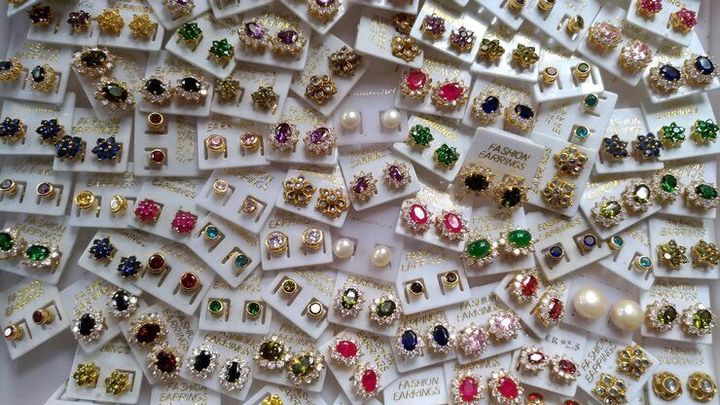
Charm Cluster Jewelry: Guide to Designs, Styles, and Practical Insights
Charm cluster jewelry is a design style that groups several charms, decorative elements, beads, pendants, or small motifs together on one jewelry piece. Instead of relying on a single central decoration, the design creates visual interest through multiple elements arranged closely together.
The concept can be used in necklaces, bracelets, earrings, anklets, brooches, and other accessories. The charms may share a common theme, color family, material, or shape, or they may intentionally combine different elements for a more varied appearance.
How Charm Clusters Developed
Charm jewelry has a long history across different cultures. Decorative pendants and symbolic objects have been worn for centuries, while modern charm bracelets became particularly recognizable during the 20th century.
Cluster designs developed alongside changing jewelry preferences. Designers began combining multiple small elements to create pieces with more movement, texture, and visual detail. Contemporary jewelry can combine traditional charm concepts with modern geometric shapes, personalized motifs, gemstones, enamel, metals, and mixed materials.
Main Components of a Charm Cluster
A charm cluster normally contains several basic elements:
Base chain or jewelry structure: This provides the main support for the charms.
Charms: Small decorative pieces that form the main visual elements.
Connectors: Jump rings, links, loops, or other small components that attach charms to the base.
Beads and gemstones: These can add color, texture, sparkle, or contrast.
Clasps: These help secure necklaces and bracelets during use.
Spacers: Small components can separate charms and prevent excessive movement or overlapping.
The arrangement of these components determines the overall appearance. A compact cluster creates a concentrated visual effect, while a more spaced arrangement can produce a lighter appearance.
Common Charm Cluster Designs
Several design approaches are frequently used in charm cluster jewelry.
Symbolic clusters combine motifs with particular meanings, such as hearts, stars, flowers, animals, initials, or celestial shapes. These designs may represent personal interests, memories, relationships, or cultural themes.
Mixed-shape clusters use charms with different silhouettes. A round bead might appear beside a geometric pendant, while a small gemstone or enamel element provides additional contrast.
Layered clusters use different charm sizes to create depth. Larger elements can form the foundation while smaller decorations fill spaces around them.
Themed clusters use a common concept such as travel, nature, music, astrology, heritage, or seasonal decoration.
Importance
Why Charm Cluster Jewelry Matters in Modern Design
Charm cluster jewelry provides designers with a flexible way to combine multiple decorative elements within one piece. The approach can create visual depth without depending on a single large centerpiece.
The design is also adaptable. Different materials, motifs, colors, and proportions can be combined to create styles ranging from delicate and minimal arrangements to highly detailed statement pieces.
Personalization and Individual Expression
One important feature of charm jewelry is its connection with personal symbolism. Initials, birth-related motifs, animals, locations, hobbies, and memorable objects can all become part of a cluster.
This allows a single jewelry piece to contain several visual references. For example, a necklace might combine a small map charm, a star, an initial, and a gemstone to represent travel, identity, and personal memories.
Materials Used in Charm Cluster Jewelry
Charm clusters can be created using many jewelry materials. Common choices include:
Gold: Used in different karat levels and finishes, depending on the design.
Silver: Often used for detailed charms and everyday jewelry designs.
Stainless steel: Provides a durable metal option for some contemporary designs.
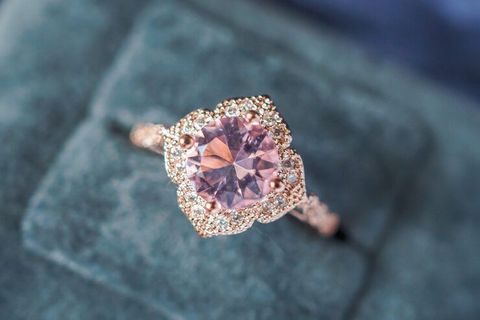
Gemstones: Add color, texture, and natural variation.
Enamel: Provides colored surfaces that can highlight small motifs.
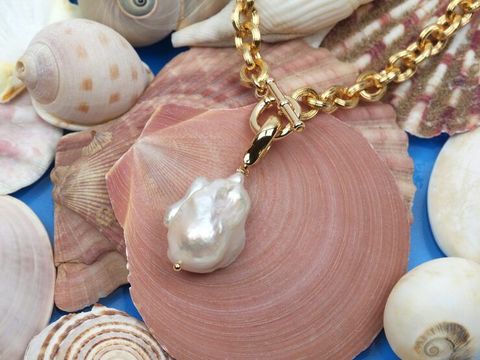
Pearls: Can introduce a softer shape and contrasting texture.
Glass and ceramic: Used for decorative beads and artistic elements.
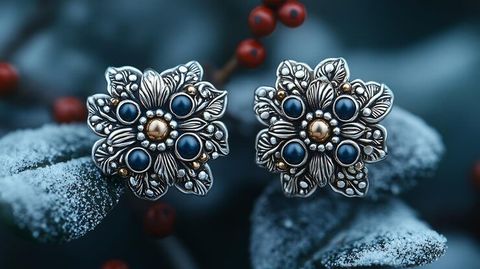
Mixed metals: Combining different metal tones can create additional contrast.
Material selection affects weight, appearance, durability, maintenance requirements, and compatibility between components.
Comparing Charm Cluster Styles
| Design Style | Main Feature | Common Components | Typical Visual Effect |
|---|---|---|---|
| Minimal Cluster | Small number of coordinated elements | Small charms, fine chain | Light and simple |
| Layered Cluster | Different sizes arranged together | Pendants, beads, gemstones | Greater depth |
| Symbolic Cluster | Meaning-based motifs | Initials, symbols, icons | Personal expression |
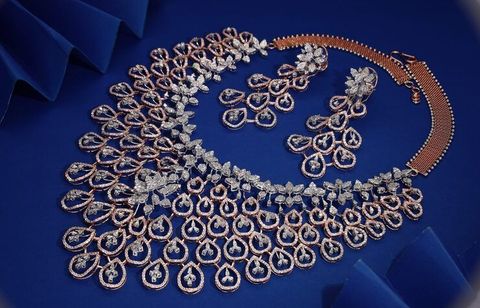
| Gemstone Cluster | Stones as major elements | Gemstones, metal charms | Color and texture |
| Mixed-Metal Cluster | Multiple metal tones | Gold, silver, steel elements | Strong contrast |
| Themed Cluster | Shared subject or concept | Related charms and pendants | Unified appearance |
Practical Design Considerations
Proportion is important because several charms placed together can quickly become visually crowded. Designers generally consider the size of each element, the available space, the thickness of the chain, and the intended position of the jewelry.
Weight is another practical factor. A cluster containing many metal charms can become heavier than a simple pendant. This is particularly relevant for earrings, where excessive weight can affect comfort during extended wear.
Movement also affects appearance. Charms that hang from individual links can move independently, while tightly connected elements create a more compact arrangement.
Recent Updates
Personalization and Modular Jewelry
From 2024 through 2026, jewelry design has continued to incorporate personalization and modular concepts. Consumers increasingly encounter jewelry formats that allow individual elements to be rearranged, added, or combined according to personal preferences.
Charm cluster jewelry naturally fits this approach because individual charms can function as separate design components. Modular construction can also make it easier to change the visual arrangement without redesigning the entire piece.
Digital Jewelry Design
Computer-aided design is widely used across contemporary jewelry development. Digital modeling allows designers to test proportions, attachment points, stone placement, and overall structure before physical production.
Three-dimensional modeling can be especially useful for cluster designs because multiple small components must fit together without interfering with one another.
3D Printing and Jewelry Production
3D printing continues to play a role in jewelry prototyping and manufacturing workflows. Designers can create physical models of complex shapes before final metal production.
For charm cluster jewelry, digital models can help examine how several charms connect and move. The technology can also support intricate forms that may be difficult to evaluate using traditional sketches alone.
Sustainability and Material Traceability
Jewelry companies and industry organizations continue to examine material sourcing, recycled metals, gemstone provenance, and production transparency. The relevance of these issues varies according to the material and jurisdiction.
The Responsible Jewellery Council provides standards covering responsible business practices across parts of the jewelry supply chain, including human rights, environmental considerations, and responsible sourcing. Its standards have continued to evolve in response to industry expectations. (responsiblejewellery.com)
Laws or Policies
Jewelry Material Requirements
Jewelry regulations vary between countries and can cover metal purity, precious-metal marking, gemstone descriptions, consumer information, and product safety.
For example, hallmarking systems in some jurisdictions provide information about precious-metal fineness. The exact requirements depend on the country and the type of metal involved.
United States Requirements
In the United States, the Federal Trade Commission provides guidance concerning jewelry marketing, including descriptions of precious metals, gemstones, treatments, and related product characteristics. Businesses operating in the United States need to follow applicable federal requirements as well as relevant state rules. (ftc.gov)
European Requirements
European Union rules can apply to chemical substances used in jewelry. REACH restrictions address certain substances, including limits related to nickel release from products that come into prolonged contact with the skin.
Requirements can change depending on the material, product type, intended market, and national implementation. Designers and manufacturers therefore need to check the rules applicable to their destination market.
Responsible Sourcing Frameworks
International frameworks can also influence jewelry production and sourcing. The Kimberley Process focuses specifically on rough diamonds and aims to prevent conflict diamonds from entering the international trade system. (kimberleyprocess.com)
These frameworks do not function as a single worldwide jewelry law. Instead, different regulations, standards, and industry frameworks may apply depending on the product and market.
Tools and Resources
Computer-Aided Design Software
CAD software can help jewelry designers create precise digital models of charms, links, settings, and connectors. Designers can inspect dimensions and relationships between components before production.
3D Modeling and Prototyping
Three-dimensional modeling and prototyping tools can help evaluate the size, balance, movement, and attachment points of a cluster. Physical prototypes can reveal issues that may not be obvious in a two-dimensional drawing.
Gemstone Identification Resources
Gemological databases and laboratory resources can help researchers understand gemstone characteristics, treatments, grading terminology, and identification methods.
Organizations such as the Gemological Institute of America provide educational and gemological resources covering diamonds, colored stones, pearls, and jewelry-related subjects. (gia.edu)
Jewelry Measurement Tools
Digital calipers, ring gauges, scales, gemstone measuring tools, and metal-testing equipment can support accurate jewelry development and inspection.
For cluster jewelry, measurements are particularly useful when several components must maintain consistent proportions and attachment dimensions.
Digital Jewelry Catalogs
Online museum collections, auction archives, design databases, and historical jewelry collections can help researchers examine how charm motifs and cluster arrangements have changed across different periods and cultures.
FAQs
What is charm cluster jewelry?
Charm cluster jewelry is a jewelry design that combines several small charms, pendants, beads, gemstones, or decorative elements into one grouped arrangement. The elements can share a theme or use contrasting shapes and materials.
How do you design charm cluster jewelry?
Charm cluster jewelry can be designed by selecting a base structure, choosing compatible charms, planning the size and placement of each element, and checking the overall weight and movement. Digital modeling can also help test complex arrangements.
What materials are used in charm cluster jewelry?
Charm cluster jewelry can use gold, silver, stainless steel, gemstones, pearls, enamel, glass, ceramic, and mixed metals. The material combination depends on the intended appearance, structure, maintenance requirements, and applicable regulations.
Is charm cluster jewelry suitable for everyday wear?
Some charm cluster designs can be suitable for regular use, depending on their materials, construction, weight, and attachment system. Delicate components may require more careful handling than heavier or simpler designs.
How is technology changing charm cluster jewelry design?
CAD modeling, 3D printing, digital prototyping, and improved production techniques are helping designers test complex arrangements before physical production. These tools can improve dimensional planning and reduce design errors.
Conclusion
Charm cluster jewelry combines multiple decorative elements to create layered, symbolic, and visually varied designs. Its development includes traditional charm concepts alongside modern materials, digital modeling, personalization, and modular construction. Material selection, proportion, weight, attachment methods, and applicable jewelry regulations are important practical considerations. Recent digital design and responsible sourcing developments are also influencing how contemporary charm cluster jewelry is designed and produced.